Work Gloves
Work gloves for men stop torn knuckles, cold hands and lost grip when you're shifting sheet, handling block, pulling cable or loading the van.
If your hands are taking the punishment, sort the gloves before anything else. Good site gloves give you grip on wet materials, protection from cuts and scrapes, and enough feel to keep working without constantly pulling them off. From just work gloves for loading out to protective gloves for first fix, groundworks and yard jobs, pick the pair that matches the abuse and get stuck in.
What Are Work Gloves for Men Used For?
- Handling block, timber, scaffold boards and sheet materials on busy site jobs where bare hands end up cut, grazed or worn raw by mid-morning.
- Loading tools, fixings and materials in and out of the van where site work gloves give you better grip on awkward, dusty or wet kit.
- Pulling cable, fitting tray, moving ducting and doing first fix work where you still need enough feel in your fingers to work fast without losing protection.
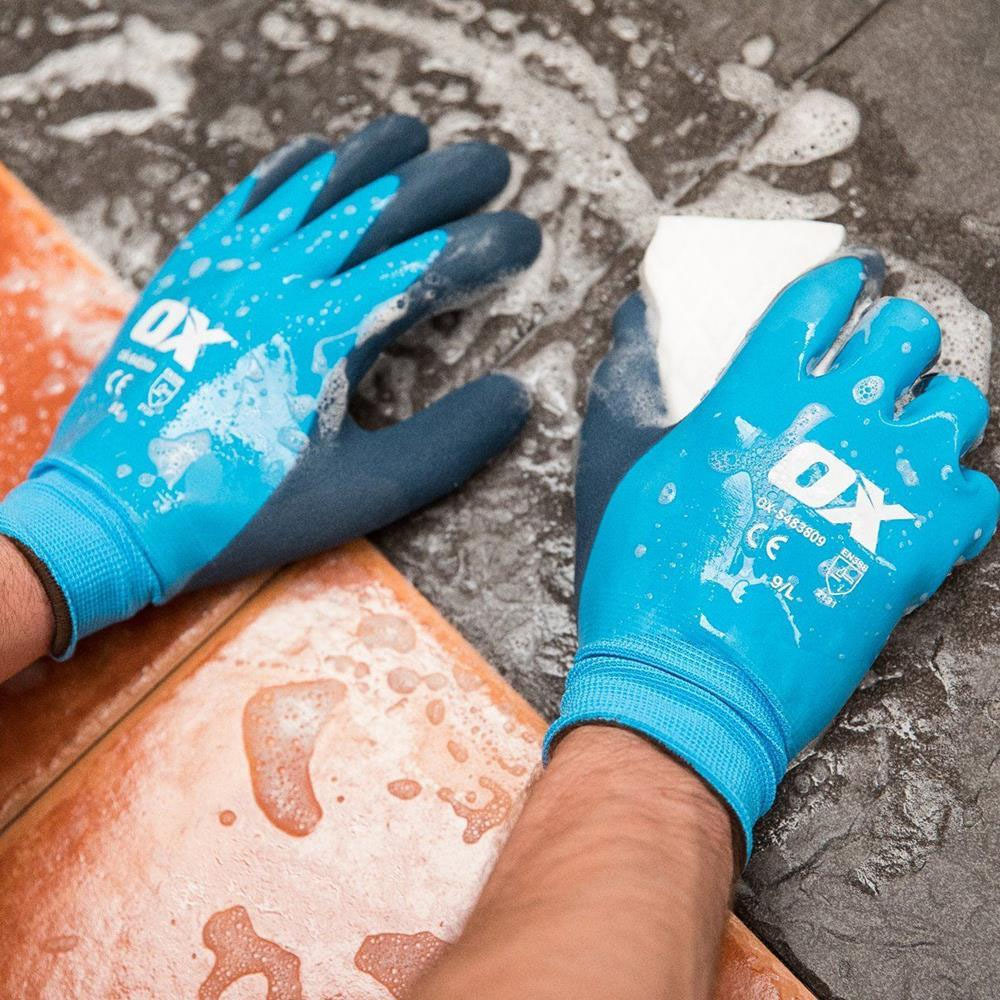
- Working outside through winter, rain and mud where protective gloves help keep hands warmer, drier and less likely to slip on tools or materials.
- Dealing with rough demolition, landscaping and yard work where heavy duty gloves take the scrapes, snags and abrasion instead of your skin.
Choosing the Right Work Gloves for Men
Match the glove to the job. If you buy purely on price, you usually end up with split seams, no grip and a second pair by Friday.
1. Dexterity vs Protection
If you're handling fixings, cable, clips or small tools, go for a closer-fitting glove with decent finger feel. If you're shifting block, timber, steel or rubble, you need more reinforcement and abrasion resistance, even if they feel a bit bulkier.
2. Dry Work vs Wet Work
For dry indoor jobs, a breathable pair is easier to live with over a full shift. If you're outside in the rain, on muddy groundwork or handling wet materials, don't kid yourself that a basic glove will do. Go for proper waterproof or water-resistant grip.
3. Cut Risk Matters
If you're around sharp tray, sheet metal, glass, trunking or fresh-cut materials, step up to cut protection. For general labouring and loading out, standard site gloves are usually enough, but sharper work needs a glove rated for that risk.
4. Coating and Palm Grip
Smooth palms are fine until the weather turns or the materials get dusty. If you're carrying slabs, timber or tools regularly, choose a palm coating that actually grips. It saves dropped gear and takes strain off your hands by the end of the day.
Who Uses These on Site?
- Groundworkers and brickies wear workers gloves for shifting block, kerbs, bags and rough materials all day because chewed-up hands slow everything down.
- Sparkies use lighter working gloves when pulling cable, handling tray and moving containment, especially when they need grip without losing too much dexterity.
- Chippies and dryliners keep site gloves handy for sheet handling, timber loading and clearing up sharp offcuts that would otherwise slice fingers open.
- Warehouse teams, fitters and delivery crews rely on just work gloves for unloading stock, carrying awkward kit and keeping hold of materials in poor weather.
- Maintenance teams and site managers often keep a pair in the van for quick clean-up, snagging, moving gear and any job where hands are first to take the hit.
The Basics: Understanding Types of Gloves
Not all safety gloves UK buyers look at do the same job. The main thing is knowing what they protect against and how much feel you need left in your hands.
1. General Handling Gloves
These are your everyday site work gloves for carrying materials, loading out, basic fitting and keeping scrapes and blisters down. They are the standard choice when you need grip and comfort more than specialist protection.
2. Cut Resistant Gloves
These are for jobs where sharp edges are part of the day, like sheet material, metalwork, glazing or cable containment. The point is simple. They help reduce cut injuries while still letting you work, rather than wrapping your hands in something too bulky to use properly.
3. Specialist Gloves for Weather or Heat
When the job involves water, cold conditions or high temperatures, standard working gloves stop being enough. That is where waterproof or heat resistant options come in, giving you protection that matches the actual conditions instead of hoping one pair does everything.
Work Glove Options That Suit the Job Properly
These glove types are worth looking at when standard handling gloves are not enough for the work in front of you.
1. Cut Resistant Work Gloves
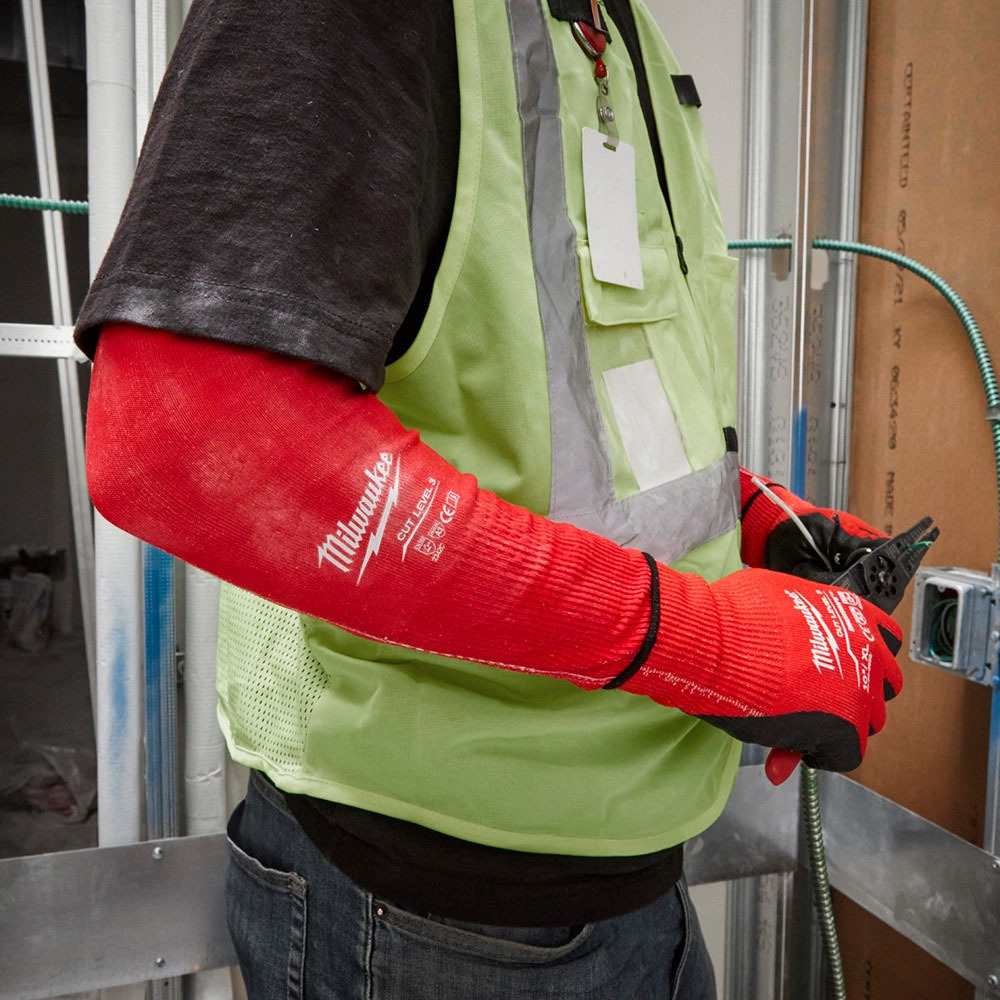
If you're handling sharp tray, sheet, trunking or metal edges, this is what stops a quick job turning into a trip for stitches. They give you proper protection without making your hands useless.
2. Synthetic Work Gloves
A good shout when you need more flexibility and grip for fitting, loading and general site work. They are often easier to work in all day than stiffer, heavier pairs.
3. Leather Gloves
Best for rougher graft where abrasion is the real problem. If you're dragging timber, handling brick packs or doing yard work, leather stands up well to abuse and lasts.
4. Waterproof Work Gloves
Don't spend all day in soaked gloves and pretend it is fine. A waterproof pair keeps grip and comfort up on wet site jobs, groundwork and winter work when standard gloves are finished after the first downpour.
Choose the Right Work Gloves for the Job
Here is the quick way to sort the right pair without overthinking it.
| Your Job | Work Gloves Type | Key Features |
|---|---|---|
| General site labour, loading out and moving materials | General handling gloves | Good palm grip, breathable back, decent abrasion resistance, easy all-day wear |
| Sharp materials, metal edges and containment work | Cut resistant gloves | Cut protection, close fit, reinforced palm, enough dexterity for tools and fixings |
| Wet weather work, groundwork and muddy outdoor jobs | Waterproof gloves | Water resistance, insulated or lined options, grip that still works when wet |
| Heavy handling, yard work and rough material movement | Leather or reinforced heavy duty gloves | Tough outer, better abrasion life, stronger knuckle and palm protection |
| Hot materials or high temperature tasks | Heat resistant gloves | Heat protection, thicker construction, safer handling around hot surfaces and kit |
Common Buying and Usage Mistakes
- Buying one cheap pair to cover every job usually ends in poor grip, ripped palms and sore hands. Keep the glove matched to the task, especially if you switch between wet work, sharp materials and heavy handling.
- Choosing bulky gloves for fiddly work slows you down and means you keep taking them off. If you handle fixings, cable or small parts, go for a closer fit with better finger control.
- Ignoring cut risk is a classic mistake on metal, tray and sheet jobs. Standard site gloves will not do the same job as a cut resistant pair, so step up before you learn the hard way.
- Working all day in soaked gloves wrecks grip and comfort and can leave your hands freezing. For outdoor winter work, use the right waterproof pair instead of hoping basic gloves dry out.
- Using worn-out gloves far too long leaves you with smooth palms and split fingers that offer very little protection. Once the grip coating is gone or the seams open up, bin them and move on.
General Handling vs Cut Resistant vs Waterproof
General Handling Gloves
These are the everyday work gloves for men doing loading, carrying, fitting and general site movement. They are usually the best value for day-to-day use, but they are not the right answer for sharp edges or full wet weather exposure.
Cut Resistant Gloves
Go here when your hands are around materials that bite back. They give better protection on metal, glass and sharp sheet than standard working gloves, though some pairs can feel less flexible if you do very fine detail work.
Waterproof Gloves
These are the right call for rain, mud and cold site conditions where standard gloves get soaked and useless. They keep your hands drier for longer, though they can be warmer and less breathable on indoor or summer jobs.
Leather Gloves
Leather suits rough handling and abrasion better than a lot of lighter gloves, so they are popular for yard work, timber and heavy materials. The trade-off is less fingertip feel than a lighter synthetic or coated site glove.
Maintenance and Care
Dry Them Properly
If your gloves get wet, let them dry naturally before the next shift. Stuffing damp gloves in the van or tool bag leaves them stiff, smelly and short-lived.
Knock Off the Dirt
Concrete dust, mud and site grime wear gloves out faster than most people think. Give them a quick brush down or wipe over after use so the grip and fabric last longer.
Check the Palm and Finger Tips
These are the first places to go. Once the coating is smooth or the finger ends start splitting, you lose grip fast and the glove stops earning its keep.
Store a Spare Pair
Keep another pair in the van or locker. It saves you carrying on with wrecked or soaked gloves just because the job still needs doing.
Replace Instead of Hoping
Gloves are consumable kit. When seams open, grip goes or protection is compromised, replace them. Hanging on too long usually costs you more in lost grip, slower work or injured hands.
Why Shop for Work Gloves for Men at ITS?
Whether you need basic site gloves for loading out, protective gloves for sharp materials, or specialist options like Heat Resistant Gloves, we stock the full range. From general workers gloves through to tougher heavy duty gloves, it is all in our own warehouse and ready for next day delivery across the UK.
Work Gloves for Men FAQs
What are type 2 gloves?
That can mean different things depending on the standard or product group, so do not rely on the phrase on its own. For site work, check the actual protection details such as cut resistance, grip, waterproofing or heat performance, because that tells you what the gloves are genuinely built to handle.
What are work gloves used for?
They are used to protect your hands while still letting you work. On site that usually means better grip, less skin damage, fewer cuts and scrapes, and more comfort when carrying rough materials, using tools or working in cold and wet conditions.
What is the work of gloves?
The job of gloves is simple. They put a layer between your hands and whatever is trying to wreck them, whether that is rough timber, dusty block, sharp edges, wet materials or cold weather. The right pair protects without making the job harder.
Are these just work gloves, or are they proper site gloves?
There is a big difference. Some are basic general handling gloves for loading and light labour, while others are built for cut protection, waterproofing or tougher abrasion. If you are on active site work, buy to the task, not just the label.
Do heavy duty gloves mean I lose all feel in my fingers?
Not always, but more protection usually means a bit less dexterity. If you spend the day on fixings, cable or small tools, go lighter. If you are carrying rough materials or doing demolition and yard work, the extra protection is worth the trade-off.
What should I buy for wet outdoor jobs?
Use a glove made for water and cold, not a standard coated pair that will soak through. If most of your work is outdoors in winter or rain, look at Waterproof Work Gloves so you keep grip and comfort for more than the first hour.
What if I am handling sharp materials or sheet metal?
Then step away from standard handling gloves and use Cut Resistant Work Gloves. They are the sensible choice for tray, ducting, metal edges and similar jobs where a basic glove can get sliced up quickly.
Is leather still worth buying for site work?
Yes, for the right jobs. Leather Gloves are still a solid pick for rough handling, timber, yard work and abrasive materials where longevity matters more than fingertip feel. For lighter fitting work, a synthetic glove is often easier to live with.