


Demolition and Construction Tools

Construction tools for breaking out, levering, cutting and shifting materials when the job turns messy and you need proper hand power, not finesse.

When you're stripping back a room, knocking through block, or lifting old boards, the right construction hand tools save your wrists and your time. This range covers demolition tools and builders tool essentials that take abuse, bite where they should, and don't fold the first time you put weight on them. Pick the tool to suit the material and the space you're working in, then crack on.

What Are Construction Tools Used For?

  • Breaking out old plaster, tile beds, and lightweight blockwork during refurbs when you need controlled demolition without dragging a breaker into every room.
  • Levering up floorboards, skirtings, and studwork safely so you can salvage what's reusable and avoid smashing pipes and cables hidden behind.
  • Splitting, trimming, and chopping timber on first fix and strip-out jobs where a solid strike tool and sharp edge makes quick work of awkward cuts.
  • Shifting rubble, prising stubborn fixings, and pulling nails on rip-out days when you need demolition tools that can take full-body force without bending.
  • General tools for construction tasks like opening up access panels, lifting lids, and persuading stuck materials free when power tools are overkill or too risky in tight spaces.

Choosing the Right Construction Tools

Match the tool to the material and the space you're working in, because the wrong demolition tool just wastes effort and breaks things you did not mean to break.

1. Material first: timber, masonry, or mixed

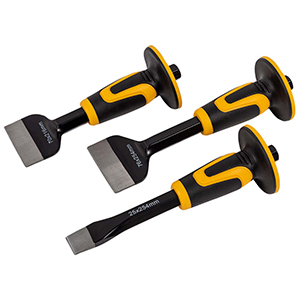
If you're mainly on timber and fixings, prioritise pry bars, nail pullers, and chopping tools that give clean leverage. If you're breaking masonry, go for proper cold chisels and bolsters that can take repeated strikes without mushrooming straight away.

2. Access: tight corners vs open rip-out

If you're working in tight cupboards, under stairs, or between joists, shorter bars and slimmer profiles get in where the job actually is. If it's open demolition, longer bars and heavier striking tools save your back because you get more leverage per hit.

3. Comfort and control over brute weight

If you're swinging all day, a decent grip and balanced handle matter more than an extra bit of weight, because you stay accurate and you do not shred your hands. For careful strip-out near services, choose tools that let you work in small bites rather than one big smash.

Who Uses These Construction Hand Tools?

  • Builders and general contractors doing strip-out and knock-through work, because a dependable builders tool set keeps the job moving when plans change on the day.
  • Chippies on first fix for lifting boards, trimming timber, and pulling fixings without wrecking finished edges they still need to keep tidy.
  • Plumbers and sparkies opening up floors and walls for runs and repairs, where the right leverage and striking tools help you work around services instead of through them.
  • Demolition and labouring teams shifting materials fast, because tough construction tools take the hits all day and are easy to grab between barrow runs.

Your Construction Tools Range, Ready to Go

Whether you need a single replacement demolition tool or you're building out a full set of construction hand tools for daily site work, we stock the range in the sizes and types trades actually use. It's all held in our own warehouse, in stock and ready for next day delivery so you can get the right tools for construction on site without losing a day.

Construction Tools FAQs

What is the best construction tools for professional use?

The best construction tools are the ones that match the work you actually do most days and survive being used hard. For pro use, look for solid steel striking and prying tools with comfortable grips and proven durability, rather than cheap sets that bend, chip, or mushroom early.

How do I choose the right construction tools?

Start with the material and the access. Timber strip-out needs leverage and nail pulling, masonry needs proper chisels and bolsters, and tight spaces need shorter tools that can work between joists and corners. If you're doing mixed refurb work, build a small core kit you trust, then add specialist demolition tools as jobs demand.

What are the key features to look for in a construction tools?

Look for tough steel, a strike face that does not deform quickly, and a handle and grip you can hold with dusty gloves without slipping. On prying tools, check the claw and tip shape suits the fixings you meet on site, and that the tool feels stiff under load rather than springy.

Are construction hand tools worth it if I already have power tools?

Yes, because there are loads of jobs where power tools are too aggressive or just awkward, like lifting boards around pipework, opening up carefully near cables, or doing a quick break-out without dust and noise everywhere. Good construction hand tools give you control and save you damaging what you're trying to keep.

What is the quickest way to ruin a demolition tool?

Using the wrong tool for the job, like prising with a chisel, striking a bar that is not meant to be hit, or belting hardened steel with the wrong hammer. Use a striking tool for striking, a pry bar for leverage, and replace anything that is bent or cracked before it lets go under load.
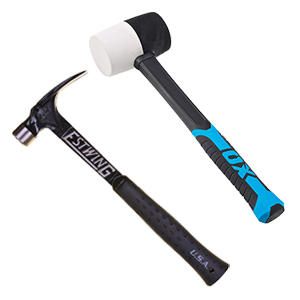
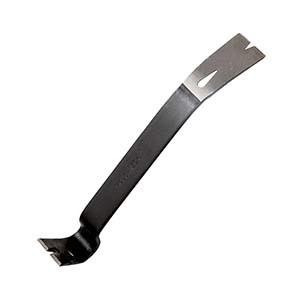
Read more

Demolition and Construction Tools

Construction tools for breaking out, levering, cutting and shifting materials when the job turns messy and you need proper hand power, not finesse.

When you're stripping back a room, knocking through block, or lifting old boards, the right construction hand tools save your wrists and your time. This range covers demolition tools and builders tool essentials that take abuse, bite where they should, and don't fold the first time you put weight on them. Pick the tool to suit the material and the space you're working in, then crack on.

What Are Construction Tools Used For?

  • Breaking out old plaster, tile beds, and lightweight blockwork during refurbs when you need controlled demolition without dragging a breaker into every room.
  • Levering up floorboards, skirtings, and studwork safely so you can salvage what's reusable and avoid smashing pipes and cables hidden behind.
  • Splitting, trimming, and chopping timber on first fix and strip-out jobs where a solid strike tool and sharp edge makes quick work of awkward cuts.
  • Shifting rubble, prising stubborn fixings, and pulling nails on rip-out days when you need demolition tools that can take full-body force without bending.
  • General tools for construction tasks like opening up access panels, lifting lids, and persuading stuck materials free when power tools are overkill or too risky in tight spaces.

Choosing the Right Construction Tools

Match the tool to the material and the space you're working in, because the wrong demolition tool just wastes effort and breaks things you did not mean to break.

1. Material first: timber, masonry, or mixed

If you're mainly on timber and fixings, prioritise pry bars, nail pullers, and chopping tools that give clean leverage. If you're breaking masonry, go for proper cold chisels and bolsters that can take repeated strikes without mushrooming straight away.

2. Access: tight corners vs open rip-out

If you're working in tight cupboards, under stairs, or between joists, shorter bars and slimmer profiles get in where the job actually is. If it's open demolition, longer bars and heavier striking tools save your back because you get more leverage per hit.

3. Comfort and control over brute weight

If you're swinging all day, a decent grip and balanced handle matter more than an extra bit of weight, because you stay accurate and you do not shred your hands. For careful strip-out near services, choose tools that let you work in small bites rather than one big smash.

Who Uses These Construction Hand Tools?

  • Builders and general contractors doing strip-out and knock-through work, because a dependable builders tool set keeps the job moving when plans change on the day.
  • Chippies on first fix for lifting boards, trimming timber, and pulling fixings without wrecking finished edges they still need to keep tidy.
  • Plumbers and sparkies opening up floors and walls for runs and repairs, where the right leverage and striking tools help you work around services instead of through them.
  • Demolition and labouring teams shifting materials fast, because tough construction tools take the hits all day and are easy to grab between barrow runs.

Your Construction Tools Range, Ready to Go

Whether you need a single replacement demolition tool or you're building out a full set of construction hand tools for daily site work, we stock the range in the sizes and types trades actually use. It's all held in our own warehouse, in stock and ready for next day delivery so you can get the right tools for construction on site without losing a day.

Construction Tools FAQs

What is the best construction tools for professional use?

The best construction tools are the ones that match the work you actually do most days and survive being used hard. For pro use, look for solid steel striking and prying tools with comfortable grips and proven durability, rather than cheap sets that bend, chip, or mushroom early.

How do I choose the right construction tools?

Start with the material and the access. Timber strip-out needs leverage and nail pulling, masonry needs proper chisels and bolsters, and tight spaces need shorter tools that can work between joists and corners. If you're doing mixed refurb work, build a small core kit you trust, then add specialist demolition tools as jobs demand.

What are the key features to look for in a construction tools?

Look for tough steel, a strike face that does not deform quickly, and a handle and grip you can hold with dusty gloves without slipping. On prying tools, check the claw and tip shape suits the fixings you meet on site, and that the tool feels stiff under load rather than springy.

Are construction hand tools worth it if I already have power tools?

Yes, because there are loads of jobs where power tools are too aggressive or just awkward, like lifting boards around pipework, opening up carefully near cables, or doing a quick break-out without dust and noise everywhere. Good construction hand tools give you control and save you damaging what you're trying to keep.

What is the quickest way to ruin a demolition tool?

Using the wrong tool for the job, like prising with a chisel, striking a bar that is not meant to be hit, or belting hardened steel with the wrong hammer. Use a striking tool for striking, a pry bar for leverage, and replace anything that is bent or cracked before it lets go under load.
ITS Click and Collect Icon
What3Words:
Get Directions
Store Opening Hours
Opening times
