Clamps
Wood clamps keep timber tight and true while glue sets, fixings go in, or cuts get made, so your work stays square and your hands stay safe.
When you're building cabinets, hanging doors, or knocking up frames, clamps are what stop things creeping while you're lining up. From quick clamps for one-handed grabs to screw clamps, G clamps for wood and bar clamps for woodworking, pick the grip and reach that matches the job and you'll get cleaner joints with less rework.
What Jobs Are Wood Clamps Best At?
- Gluing up panels and frames Pulls boards together evenly so your glue line stays tight, especially when you're using bar clamps for woodworking across wide tops and shelves.
- Holding work for drilling and routing Pins timber down on the bench so you can drill hinge cups, run a router, or cut rebates without the piece spinning or chattering.
- Fast positioning on second fix Quick clamps and quick release clamps let you nip trims, architrave, and packers in place one-handed while you get a fixing in.
- Clamping awkward shapes Adjustable clamps and small clamps help on scribed pieces, mitres, and furniture clamps where you need controlled pressure without bruising the timber.
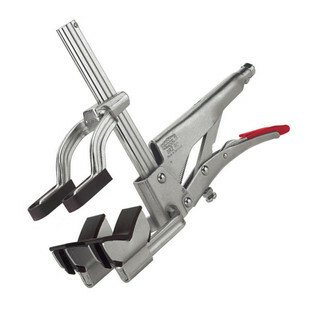
- Mixed-material holding Metal clamps and clamps for metal are handy when you're clamping brackets, angle, or box section to a bench for drilling, but they still earn their keep on carpentry clamps work when you need serious bite.
Choosing the Right Wood Clamps
Sorting the right clamps is simple: match the clamp type and reach to the job, or you'll fight it all day and still end up with joints that creep.
1. Quick clamps vs screw clamps
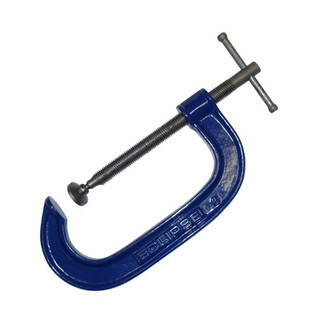
If you're doing lots of fit and fix, a quick clamp or quick release clamp is the one you'll grab because it's fast and often one-handed. If you're doing glue-ups where pressure matters, go screw clamp or G clamps for wood so you can wind in proper, controlled force and hold it there.
2. Bar length and throat depth
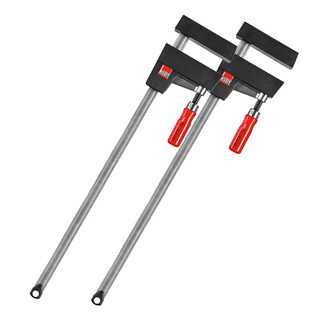
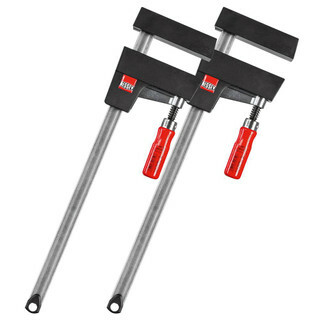
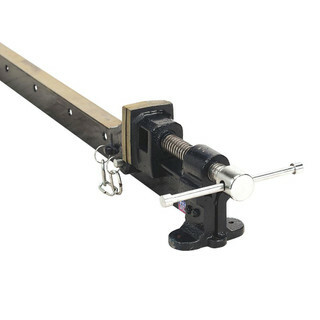
If you're clamping panels, carcasses, or wide shelving, you need longer bar clamps for woodworking with enough throat to reach past the edge without tipping. For trims and small assemblies, small clamps are quicker to place and don't get in the way of the gun or driver.
3. Light duty vs heavy duty clamps
If it's just holding a piece while you mark out or drill, speed clamps and quick clamps are fine. If you're pulling warped timber straight, clamping thick hardwood, or doing repeated glue-ups, heavy duty wood clamps with a solid bar and tough pads are worth it because they stay straight and don't flex under load.
4. Jaw pads and grip control
If you're working on finished faces, look for clamp grips and pads that sit flat and don't chew the edge, or you'll spend time sanding out clamp marks. For rough work where slip is the issue, a firmer jaw and positive bite matters more than a soft pad.
Who Uses Woodworking Clamps?
- Joiners and chippies doing doors, kitchens, and built-ins, because clamps stop frames twisting while you square up and fix.
- Furniture makers and bench joiners relying on bar clamps, screw clamp options, and quick grip clamp set layouts to get repeatable glue-ups without gaps.
- Site carpenters and maintenance teams who keep quick clamps in the bag for quick holding, packing, and snagging jobs where you need a third hand.
How Wood Clamps Work for You
A clamp is just controlled pressure, but the mechanism changes how fast you can work and how reliably it holds. Here's what matters on real jobs.
1. Trigger and quick release mechanisms
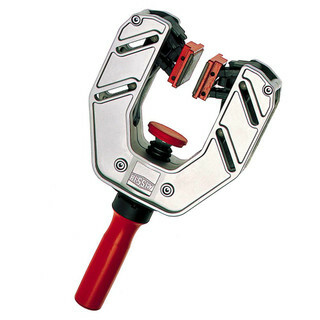
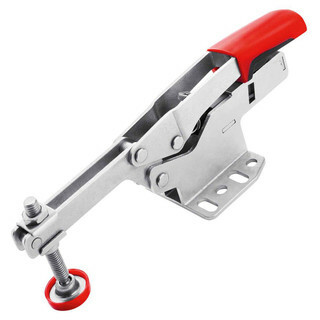
Quick release clamps use a trigger to slide the jaw in fast, then lock pressure with short pumps, which is why they're popular for quick positioning and repeat tasks. Hit the release and you're straight onto the next piece without winding back a thread.
2. Threaded screw pressure
A screw clamp builds pressure slower but more consistently, which is what you want when you're closing up joints and keeping things square while glue cures. It's also easier to "feel" when you're about to overdo it and crush an edge.
3. Bar stiffness and spread
Long clamps only work if the bar stays straight under load, otherwise the pressure goes uneven and your work pulls out of line. For larger glue-ups, using multiple clamps spaced along the run keeps pressure even and stops the middle bowing.
Clamp Accessories That Save Time on Joinery
A couple of add-ons make clamps quicker to use and help you avoid marks, slip, and wasted set-up time.
1. Replacement jaw pads and clamp grips
Swap worn pads before they start slipping or biting into finished timber, because nothing's more annoying than a clamp that creeps mid-glue-up or leaves bruises you can't hide.
2. Corner clamp blocks and angle aids
These help you keep frames and carcasses square while you tighten up, so you're not measuring diagonals ten times and still ending up with a twist when you take the clamps off.
3. Clamp extenders and joiners
If you're regularly clamping wide panels or long runs, extenders let you get more reach out of the clamps you already own instead of buying a whole new set for the odd oversized job.
Shop Wood Clamps at ITS
Whether you need small clamps for quick holding, a quick grip clamp set for day-to-day fitting, or heavy duty clamps and bar clamps for woodworking glue-ups, we stock the full range in all the useful sizes and styles. It's all in our own warehouse, in stock and ready for next day delivery so you can get clamped up and back on with the job.
Wood Clamps FAQs
What is the best wood clamps for professional use?
For daily joinery and site carpentry, you want a mix, not one "best" clamp. Keep quick clamps for fast positioning and screw clamps or heavy duty wood clamps for glue-ups and anything that needs proper pressure without flex.
How do I choose the right wood clamps?
Start with the size of the work and how you're using it. For wide panels and carcasses, choose bar clamps for woodworking with enough length and throat depth. For trims and quick holding, go quick release clamps. If you're straightening timber or closing joints, pick a heavy duty clamp that won't bend.
What are the key features to look for in a wood clamps?
Look for a stiff bar that stays straight, jaws that sit flat, and a mechanism that suits the job. Quick clamp triggers should lock without slipping, and screw clamp threads should run smoothly without binding. Decent pads matter as much as pressure if you're working on visible faces.
Do quick clamps replace G clamps and screw clamps?
No. Quick clamps are brilliant for speed clamps work and holding while you fix, but they are not always the best for high-pressure glue-ups. Keep both in the kit and you will stop fighting the job.
Will clamps mark finished timber?
They can if the pads are hard, dirty, or misaligned, or if you overtighten on a sharp edge. Use clean pads, add a scrap packing piece on painted or veneered faces, and tighten only as much as you need to close the joint.