Watering

Watering kit keeps lawns, beds, and new turf alive when the weather turns. Pick the right hose, spray, or sprinkler and you stop wasting time and water.

When you're trying to keep a site tidy, get new planting to take, or stop a lawn burning off in a dry spell, decent watering gear matters. This range covers everything from quick hand watering to longer runs across gardens and grounds. For professional watering, go for solid connectors that don't pop off, and kit you can leave set up without babysitting it.

What Are Watering Products Used For?

  • Keeping new turf and freshly seeded areas damp through the first couple of weeks so it actually roots, instead of drying out patchy.
  • Watering borders, planters, and shrub beds without blasting soil everywhere, using a controlled spray that soaks in rather than runs off.
  • Running sprinklers on larger lawns and grounds where hand watering is a waste of time, especially during dry spells and hosepipe-heavy weeks.
  • Washing down patios, paths, and hardstanding after cutting, drilling, or general garden work, using a decent flow without dragging a pressure washer out.
  • Feeding plants with liquid feed through a watering can or hose-end setup, so you can do a full run quickly without guessing doses.

Choosing the Right Watering

Sorting the right watering setup is simple: match the coverage and control to the job, or you will either drown it or miss half the area.

1. Hand watering vs sprinkler coverage

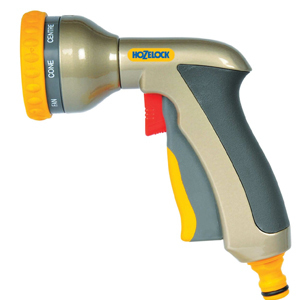
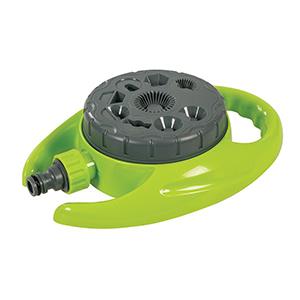
If you are on pots, beds, and spot watering, go for a proper spray gun or watering can that gives you a soft soak. If you are doing lawns or long strips of turf, a sprinkler is the only sensible way to get even coverage without walking up and down all evening.

2. Hose length and connector reliability

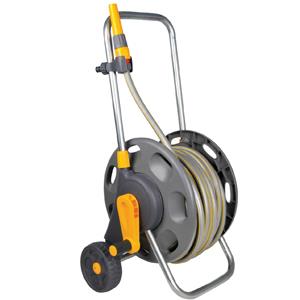
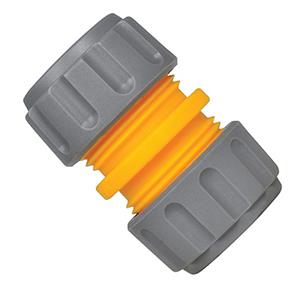
If you are constantly stretching to reach, you will kink hoses, drag fittings, and waste time. Measure the run properly and buy the length you need, then use solid connectors that lock on tight so you are not getting soaked every time you crack the tap open.

3. Flow control and spray patterns

If you are watering new planting, you want adjustable flow and a gentle pattern so you do not flatten soil or expose roots. If you are rinsing hard surfaces, pick a nozzle that can give you a stronger jet without having to swap tools mid-job.

Who Uses Watering Gear?

  • Landscapers and gardeners keeping turf, beds, and planting alive on installs, where missed watering shows up fast.
  • Grounds maintenance teams looking after lawns and communal areas, where you need repeatable coverage and kit that survives being left on the van.
  • Site and facilities teams doing basic clean-downs and keeping outdoor areas presentable for handover and day-to-day upkeep.

How Watering Works for You

Most watering problems on site come down to coverage, pressure, and control. Get those three right and you stop wasting water and time.

1. Coverage is what keeps things consistent

Sprinklers are about even spread across an area, not brute force. Set them to suit the shape of the lawn or bed so you are not soaking paving and leaving dry corners.

2. Pressure affects reach and finish

Low pressure suits gentle watering close in, while higher pressure helps with reach and wash-down. If your supply is weak, shorter hoses and decent fittings make a bigger difference than cranking a nozzle to full blast.

3. Control stops damage and runoff

A controlled spray soaks into soil instead of running off down the path. That is the difference between keeping turf alive and just making a mess around it.

Shop Watering at ITS.co.uk

Whether you need a quick replacement spray gun, a longer hose run, or sprinklers for bigger coverage, we stock the watering range to suit day-to-day garden work and professional watering setups. It is all held in our own warehouse and ready for next day delivery, so you can get it on site without waiting around.

Watering FAQs

What is the best watering for professional use?

The best setup is the one that matches the job: a robust hose and connectors that do not leak for day-to-day use, plus a spray gun for controlled hand watering or a sprinkler for repeatable lawn coverage. For professional watering, reliability matters more than fancy features, because failed fittings waste time and soak you and the work area.

How do I choose the right watering?

Start with where the water needs to reach and how often you will be doing it. Beds and planting want gentle, adjustable flow, while lawns and larger areas need a sprinkler to keep coverage even. Measure your hose run properly and choose fittings that lock on tight, because most "bad watering" is just the wrong length and poor connections.

What are the key features to look for in a watering?

Look for solid connectors, decent hose construction that resists kinks, and a nozzle or spray gun with proper flow control so you can go from gentle soak to rinse-down without fighting it. On sprinklers, the key is adjustable coverage so you are watering the grass, not the path and fence line.

Is it worth using a sprinkler, or should I just hand water?

If you are doing pots, edges, and small beds, hand watering is quicker and more accurate. If you are trying to keep a lawn or new turf evenly damp, a sprinkler wins every time because it gives consistent coverage without you walking up and down and still missing patches.

Do cheap connectors and spray guns actually cause problems?

Yes, that is usually where the grief starts. Poor connectors leak, pop off under pressure, and chew up threads, and cheap spray guns tend to stick or lose adjustment quickly. Spend your money on the parts you click on and off all day, because that is what takes the abuse.
Read more

Watering

Watering kit keeps lawns, beds, and new turf alive when the weather turns. Pick the right hose, spray, or sprinkler and you stop wasting time and water.

When you're trying to keep a site tidy, get new planting to take, or stop a lawn burning off in a dry spell, decent watering gear matters. This range covers everything from quick hand watering to longer runs across gardens and grounds. For professional watering, go for solid connectors that don't pop off, and kit you can leave set up without babysitting it.

What Are Watering Products Used For?

  • Keeping new turf and freshly seeded areas damp through the first couple of weeks so it actually roots, instead of drying out patchy.
  • Watering borders, planters, and shrub beds without blasting soil everywhere, using a controlled spray that soaks in rather than runs off.
  • Running sprinklers on larger lawns and grounds where hand watering is a waste of time, especially during dry spells and hosepipe-heavy weeks.
  • Washing down patios, paths, and hardstanding after cutting, drilling, or general garden work, using a decent flow without dragging a pressure washer out.
  • Feeding plants with liquid feed through a watering can or hose-end setup, so you can do a full run quickly without guessing doses.

Choosing the Right Watering

Sorting the right watering setup is simple: match the coverage and control to the job, or you will either drown it or miss half the area.

1. Hand watering vs sprinkler coverage

If you are on pots, beds, and spot watering, go for a proper spray gun or watering can that gives you a soft soak. If you are doing lawns or long strips of turf, a sprinkler is the only sensible way to get even coverage without walking up and down all evening.

2. Hose length and connector reliability

If you are constantly stretching to reach, you will kink hoses, drag fittings, and waste time. Measure the run properly and buy the length you need, then use solid connectors that lock on tight so you are not getting soaked every time you crack the tap open.

3. Flow control and spray patterns

If you are watering new planting, you want adjustable flow and a gentle pattern so you do not flatten soil or expose roots. If you are rinsing hard surfaces, pick a nozzle that can give you a stronger jet without having to swap tools mid-job.

Who Uses Watering Gear?

  • Landscapers and gardeners keeping turf, beds, and planting alive on installs, where missed watering shows up fast.
  • Grounds maintenance teams looking after lawns and communal areas, where you need repeatable coverage and kit that survives being left on the van.
  • Site and facilities teams doing basic clean-downs and keeping outdoor areas presentable for handover and day-to-day upkeep.

How Watering Works for You

Most watering problems on site come down to coverage, pressure, and control. Get those three right and you stop wasting water and time.

1. Coverage is what keeps things consistent

Sprinklers are about even spread across an area, not brute force. Set them to suit the shape of the lawn or bed so you are not soaking paving and leaving dry corners.

2. Pressure affects reach and finish

Low pressure suits gentle watering close in, while higher pressure helps with reach and wash-down. If your supply is weak, shorter hoses and decent fittings make a bigger difference than cranking a nozzle to full blast.

3. Control stops damage and runoff

A controlled spray soaks into soil instead of running off down the path. That is the difference between keeping turf alive and just making a mess around it.

Shop Watering at ITS.co.uk

Whether you need a quick replacement spray gun, a longer hose run, or sprinklers for bigger coverage, we stock the watering range to suit day-to-day garden work and professional watering setups. It is all held in our own warehouse and ready for next day delivery, so you can get it on site without waiting around.

Watering FAQs

What is the best watering for professional use?

The best setup is the one that matches the job: a robust hose and connectors that do not leak for day-to-day use, plus a spray gun for controlled hand watering or a sprinkler for repeatable lawn coverage. For professional watering, reliability matters more than fancy features, because failed fittings waste time and soak you and the work area.

How do I choose the right watering?

Start with where the water needs to reach and how often you will be doing it. Beds and planting want gentle, adjustable flow, while lawns and larger areas need a sprinkler to keep coverage even. Measure your hose run properly and choose fittings that lock on tight, because most "bad watering" is just the wrong length and poor connections.

What are the key features to look for in a watering?

Look for solid connectors, decent hose construction that resists kinks, and a nozzle or spray gun with proper flow control so you can go from gentle soak to rinse-down without fighting it. On sprinklers, the key is adjustable coverage so you are watering the grass, not the path and fence line.

Is it worth using a sprinkler, or should I just hand water?

If you are doing pots, edges, and small beds, hand watering is quicker and more accurate. If you are trying to keep a lawn or new turf evenly damp, a sprinkler wins every time because it gives consistent coverage without you walking up and down and still missing patches.

Do cheap connectors and spray guns actually cause problems?

Yes, that is usually where the grief starts. Poor connectors leak, pop off under pressure, and chew up threads, and cheap spray guns tend to stick or lose adjustment quickly. Spend your money on the parts you click on and off all day, because that is what takes the abuse.
ITS Click and Collect Icon
What3Words:
Get Directions
Store Opening Hours
Opening times