


Gazebos & Tents

Need a gazebo that goes up fast and keeps the graft moving in bad weather? A pop up gazebo gives you instant cover for tools, lads, and materials.

When you're trying to keep gear dry, protect fresh finishes, or set up a quick work area, a sturdy outdoor gazebo saves a lot of grief. Go for a heavy duty pop up gazebo with sides if wind and sideways rain are part of the day, and stick to proper sizes like a 3x3 pop up gazebo so it actually covers the work. Pick your gazebo tent, get it on site, and crack on.

What Are Gazebo and Pop Up Gazebo Shelters Used For?

  • Setting up a pop up work shelter over a cutting station or bench so saws, chargers, and fixings are not getting soaked every time the weather turns.
  • Creating a dry, clean area for snagging, sealing, or painting where a waterproof gazebo stops drizzle and fallout landing in wet finishes.
  • Running an event gazebo or garden tent for site open days, handovers, or trade days where you need quick cover that looks tidy and keeps kit organised.
  • Using a gazebo with sides as a wind break for mixing, measuring, or storing sheet materials so you are not fighting gusts all day.
  • Covering materials on refurbs and maintenance jobs with a folding gazebo so plasterboard, bags, and boxes stay usable when you cannot get everything indoors.

Choosing the Right Gazebo

Match the gazebo to the weather and the space you have, not what looks cheapest on a screen.

1. Size and footprint

If you are covering a small work area or a table, a 3x3 pop up gazebo is the standard because it fits most driveways and site corners. If you are sheltering a longer run of materials or multiple benches, look at bigger footprints like 6x3 so you are not still working in the rain at the edges.

2. With sides or open

If it is calm and you just need overhead cover, an open gazebo pop up is fine. If you are on exposed plots or coastal jobs, a gazebo with sides, or a pop up gazebo with sides, is what stops wind-driven rain and keeps dust and debris off the work.

3. Heavy duty and waterproof claims

If it is for occasional garden use, you can get away with lighter frames, but for site use you want a heavy duty pop up gazebo that does not wobble when someone brushes past it. For proper wet days, pick a waterproof gazebo and still plan to peg it down and weight it, because no pop up shelter likes being left loose in a gust.

Who Uses These Gazebos on Site?

  • Maintenance teams and fitters who need a quick pop up gazebo with sides to keep tools and parts dry while they work outside a live building.
  • Decorators and sealant crews who use a gazebo tent to protect prep and finishes, especially when the job has to run on regardless of weather.
  • Groundworkers and landscapers who throw up an outdoor gazebo for a dry base, keeping levels, lasers, and paperwork out of the mud.
  • Site managers and handover teams who keep a pop up gazebo 3x3 in the van for quick cover during inspections, snagging, and client walkarounds.

How Pop Up Gazebo Shelters Work for You

A pop up gazebo is basically a folding frame and a fitted cover that locks out to give you quick shelter. The difference on site comes down to how it stands up to wind, rain, and constant packing away.

1. Frame and locking points

The frame expands and locks at the joints, which is why it is fast to put up. On a work gazebo, those locking points are what take the abuse, so a sturdier frame holds shape better when you are moving it, adjusting height, or working underneath all day.

2. Sides turn it into a work tent

Add sides and it stops acting like just an outdoor gazebo and starts working like a pop up work tent, cutting wind and keeping spray off tools and materials. It is also the difference between staying dry and having rain blown straight under the canopy.

3. Waterproof is only half the story

A heavy duty waterproof gazebo keeps rain out from above, but it still needs pegging and weighting to stop lift in gusts. Treat it like temporary cover, not a permanent gazebo, and pack it down if the weather is turning nasty.

Gazebo Accessories That Stop It Becoming a Wind Sail

The right add-ons keep your pop up gazebo standing, keep rain out, and stop you redoing the set-up every hour.

1. Side panels

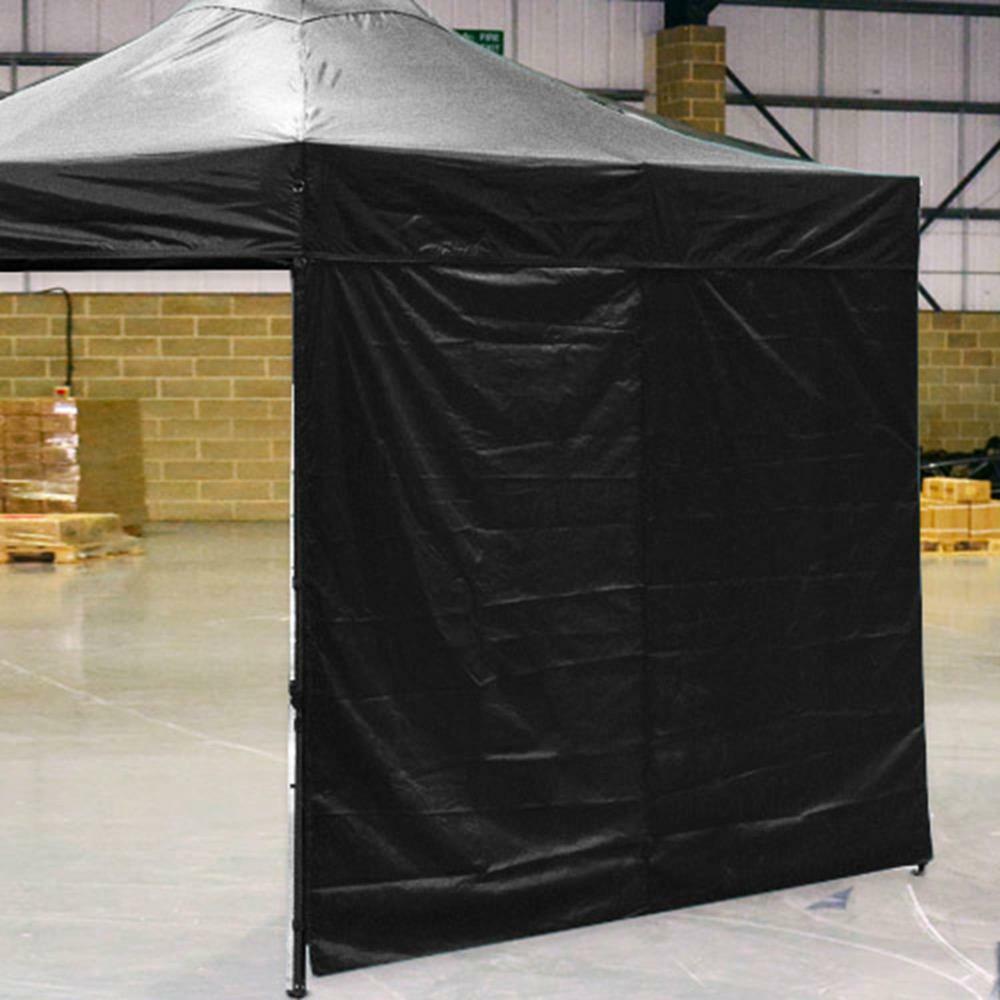
If you are buying a gazebo with sides or upgrading later, side panels are what turn it into a proper pop up shelter with sides for wind and sideways rain, instead of just overhead shade.

2. Ground pegs and tie-down straps

Do not rely on the frame weight alone, especially on open plots. Pegs and straps stop the gazebo pop up shifting and twisting when the wind gets under it.

3. Leg weights

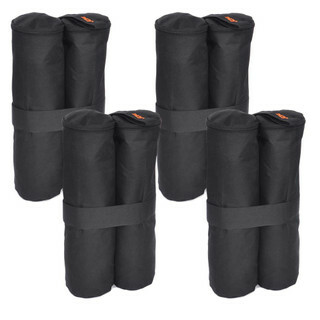
On hardstanding where you cannot peg down, weights are the difference between a steady work tent and one that walks across the slab when a gust hits.

Shop Gazebo Shelters at ITS

Whether you need a simple pop up gazebo 3x3, a gazebo with sides for rough weather, or a heavier duty gazebo tent for regular site use, we stock the range in the sizes and styles trades actually buy. It is all held in our own warehouse, in stock and ready for next day delivery so you can get covered up and get the job moving.

Gazebo and Pop Up Gazebo FAQs

What is the meaning of gazebos?

A gazebo is a freestanding outdoor shelter with a roof, used to give cover from rain and sun. On site it is basically a quick, portable roof over a work area, tools, or materials, especially when you cannot work inside.

What is the difference between a gazebo and a veranda?

A gazebo stands on its own and can be moved around, which is why pop up gazebos are handy for temporary cover. A veranda is fixed to a building, usually along the side or front, and is more like a permanent roofed walkway or seating area.

Is a pop up gazebo actually waterproof, or just showerproof?

Some are genuinely waterproof, some are only meant for light showers, so check the spec rather than guessing. Even with a waterproof gazebo, you still need it tensioned properly and secured, because pooling water and wind lift are what cause most problems.

Do I really need a gazebo with sides?

If you are working on exposed sites, yes, because rain rarely comes straight down. A pop up gazebo with sides gives you a wind break, keeps spray off tools and materials, and makes it feel more like a work tent than a bit of shade.

What size pop up gazebo should I buy for site use?

A 3x3 pop up gazebo is the usual starting point because it fits most driveways, patios, and site corners and still covers a bench or small work area. If you are trying to shelter longer materials or multiple people working, step up to a larger footprint so you are not fighting the weather at the edges.

Read more

Gazebos & Tents

Need a gazebo that goes up fast and keeps the graft moving in bad weather? A pop up gazebo gives you instant cover for tools, lads, and materials.

When you're trying to keep gear dry, protect fresh finishes, or set up a quick work area, a sturdy outdoor gazebo saves a lot of grief. Go for a heavy duty pop up gazebo with sides if wind and sideways rain are part of the day, and stick to proper sizes like a 3x3 pop up gazebo so it actually covers the work. Pick your gazebo tent, get it on site, and crack on.

What Are Gazebo and Pop Up Gazebo Shelters Used For?

  • Setting up a pop up work shelter over a cutting station or bench so saws, chargers, and fixings are not getting soaked every time the weather turns.
  • Creating a dry, clean area for snagging, sealing, or painting where a waterproof gazebo stops drizzle and fallout landing in wet finishes.
  • Running an event gazebo or garden tent for site open days, handovers, or trade days where you need quick cover that looks tidy and keeps kit organised.
  • Using a gazebo with sides as a wind break for mixing, measuring, or storing sheet materials so you are not fighting gusts all day.
  • Covering materials on refurbs and maintenance jobs with a folding gazebo so plasterboard, bags, and boxes stay usable when you cannot get everything indoors.

Choosing the Right Gazebo

Match the gazebo to the weather and the space you have, not what looks cheapest on a screen.

1. Size and footprint

If you are covering a small work area or a table, a 3x3 pop up gazebo is the standard because it fits most driveways and site corners. If you are sheltering a longer run of materials or multiple benches, look at bigger footprints like 6x3 so you are not still working in the rain at the edges.

2. With sides or open

If it is calm and you just need overhead cover, an open gazebo pop up is fine. If you are on exposed plots or coastal jobs, a gazebo with sides, or a pop up gazebo with sides, is what stops wind-driven rain and keeps dust and debris off the work.

3. Heavy duty and waterproof claims

If it is for occasional garden use, you can get away with lighter frames, but for site use you want a heavy duty pop up gazebo that does not wobble when someone brushes past it. For proper wet days, pick a waterproof gazebo and still plan to peg it down and weight it, because no pop up shelter likes being left loose in a gust.

Who Uses These Gazebos on Site?

  • Maintenance teams and fitters who need a quick pop up gazebo with sides to keep tools and parts dry while they work outside a live building.
  • Decorators and sealant crews who use a gazebo tent to protect prep and finishes, especially when the job has to run on regardless of weather.
  • Groundworkers and landscapers who throw up an outdoor gazebo for a dry base, keeping levels, lasers, and paperwork out of the mud.
  • Site managers and handover teams who keep a pop up gazebo 3x3 in the van for quick cover during inspections, snagging, and client walkarounds.

How Pop Up Gazebo Shelters Work for You

A pop up gazebo is basically a folding frame and a fitted cover that locks out to give you quick shelter. The difference on site comes down to how it stands up to wind, rain, and constant packing away.

1. Frame and locking points

The frame expands and locks at the joints, which is why it is fast to put up. On a work gazebo, those locking points are what take the abuse, so a sturdier frame holds shape better when you are moving it, adjusting height, or working underneath all day.

2. Sides turn it into a work tent

Add sides and it stops acting like just an outdoor gazebo and starts working like a pop up work tent, cutting wind and keeping spray off tools and materials. It is also the difference between staying dry and having rain blown straight under the canopy.

3. Waterproof is only half the story

A heavy duty waterproof gazebo keeps rain out from above, but it still needs pegging and weighting to stop lift in gusts. Treat it like temporary cover, not a permanent gazebo, and pack it down if the weather is turning nasty.

Gazebo Accessories That Stop It Becoming a Wind Sail

The right add-ons keep your pop up gazebo standing, keep rain out, and stop you redoing the set-up every hour.

1. Side panels

If you are buying a gazebo with sides or upgrading later, side panels are what turn it into a proper pop up shelter with sides for wind and sideways rain, instead of just overhead shade.

2. Ground pegs and tie-down straps

Do not rely on the frame weight alone, especially on open plots. Pegs and straps stop the gazebo pop up shifting and twisting when the wind gets under it.

3. Leg weights

On hardstanding where you cannot peg down, weights are the difference between a steady work tent and one that walks across the slab when a gust hits.

Shop Gazebo Shelters at ITS

Whether you need a simple pop up gazebo 3x3, a gazebo with sides for rough weather, or a heavier duty gazebo tent for regular site use, we stock the range in the sizes and styles trades actually buy. It is all held in our own warehouse, in stock and ready for next day delivery so you can get covered up and get the job moving.

Gazebo and Pop Up Gazebo FAQs

What is the meaning of gazebos?

A gazebo is a freestanding outdoor shelter with a roof, used to give cover from rain and sun. On site it is basically a quick, portable roof over a work area, tools, or materials, especially when you cannot work inside.

What is the difference between a gazebo and a veranda?

A gazebo stands on its own and can be moved around, which is why pop up gazebos are handy for temporary cover. A veranda is fixed to a building, usually along the side or front, and is more like a permanent roofed walkway or seating area.

Is a pop up gazebo actually waterproof, or just showerproof?

Some are genuinely waterproof, some are only meant for light showers, so check the spec rather than guessing. Even with a waterproof gazebo, you still need it tensioned properly and secured, because pooling water and wind lift are what cause most problems.

Do I really need a gazebo with sides?

If you are working on exposed sites, yes, because rain rarely comes straight down. A pop up gazebo with sides gives you a wind break, keeps spray off tools and materials, and makes it feel more like a work tent than a bit of shade.

What size pop up gazebo should I buy for site use?

A 3x3 pop up gazebo is the usual starting point because it fits most driveways, patios, and site corners and still covers a bench or small work area. If you are trying to shelter longer materials or multiple people working, step up to a larger footprint so you are not fighting the weather at the edges.
ITS Click and Collect Icon
What3Words:
Get Directions
Store Opening Hours
Opening times
