Pruners & Shears
Garden scissors make tidy pruning quick, clean, and controlled, whether you are deadheading, shaping shrubs, or snipping back growth without tearing stems.
When you are on maintenance rounds or sorting a garden before handover, sharp pruning scissors save time and stop you bruising plants. For heavier, repetitive cuts, electric secateurs and cordless secateurs take the strain out of your hands and keep the work consistent. Pick the right pruner for the stem size, keep blades clean, and you will get neater cuts and fewer damaged branches.
What Jobs Are Garden Scissors Best At?
- Deadheading and light trimming around beds and borders where a clean snip keeps plants flowering and stops you ripping soft stems.
- Shaping shrubs and topiary on maintenance work, where sharp pruning scissors give you control in tight spots without tearing leaves and tips.
- Cutting back perennials and thin green growth during seasonal tidy-ups, so you can work fast without dragging a saw through delicate stems.
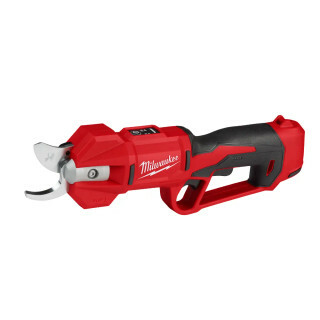
- Pruning repeated small-to-medium stems on long rounds using electric secateurs, which reduces hand fatigue and keeps cut quality consistent all day.
- Snipping and reducing brash for bagging and disposal, where a reliable pruner helps you break down waste quickly at the end of the job.
Choosing the Right Garden Scissors
Match the tool to the stem size and the amount of cutting you are doing, or you will either wreck the plant or wreck your hands.
1. Hand pruning scissors vs electric secateurs
If it is occasional deadheading and light trimming, good garden scissors are quicker and simpler. If you are doing hundreds of cuts on thicker stems, electric secateurs and cordless secateurs are the sensible choice because they take the strain out of repetitive work.
2. Cut capacity and what you are actually pruning
If you are mostly on soft green growth, you do not need a big cut capacity, just sharp blades that do not chew. If you are pruning woody stems, choose a pruner or battery pruning shears rated for that diameter, because forcing small scissors through thick growth will crush the cut and blunt the edge fast.
3. Blade type and maintenance
If you care about plant health, keep blades clean and sharp and wipe sap off as you go, especially on resinous shrubs. A tool that can be cleaned easily and has replaceable blades will last longer than one that gums up and gets chucked in the van.
Who Uses Garden Scissors and Electric Secateurs?
- Grounds maintenance teams and landscapers doing regular rounds, because pruning tools keep hedges, shrubs, and beds looking sharp without wasting time.
- Gardeners and estate staff handling seasonal cutbacks, who need pruning scissors for quick, accurate snips and less plant damage.
- Property maintenance and handover teams tidying outside spaces, where cordless secateurs speed up repetitive pruning without killing your grip by mid-afternoon.
How Electric Secateurs Work for You
Electric secateurs do the cutting force for you, so you get clean, repeatable cuts without squeezing hard all day. Here is what matters on site and in the garden.
1. Motor-driven cut, consistent finish
Instead of relying on hand strength, the tool drives the blade through the stem, which helps stop half-cuts and torn fibres when you are working quickly through mixed growth.
2. Battery runtime is your working window
Cordless secateurs are only as useful as the battery you have with you, so if you are on long rounds, plan for spare charged batteries or a charge point in the van to avoid stopping mid-prune.
3. Cut capacity is a hard limit
Battery pruning shears have a maximum branch size for a reason, and pushing past it is how you end up with crushed cuts and damaged blades. If you are into thicker wood, step up to the right pruning tools, not brute force.
Pruning Tool Accessories That Keep You Cutting
A couple of simple add-ons stop downtime and keep your cuts clean, especially when you are pruning all day.
1. Spare blades
A spare blade set saves the job when you hit grit, wire, or a hidden staple and the cut starts chewing instead of slicing, because you can swap and carry on rather than bodging it blunt.
2. Spare batteries and chargers
If you are running electric secateurs on maintenance rounds, a spare charged battery stops you going back to hand tools halfway through a hedge line when the pack dies.
3. Blade oil and cleaning spray
Sap and resin build-up is what makes pruning scissors feel stiff and start tearing stems, so a quick clean and oil keeps the action smooth and protects the edge.
Shop Garden Scissors at ITS
Whether you need simple pruning scissors for light tidy-ups or cordless secateurs for all-day cutting, you can pick the right pruning tools here without messing about. We stock a full range of pruners, battery pruning shears, and electric secateurs in our own warehouse, ready for next day delivery.
Garden Scissors and Electric Secateurs FAQs
What is a gardening shear?
A gardening shear is a hand cutting tool used to trim and shape plants, typically with two blades that slice past each other for a clean cut. In practice, people use the term for anything from pruning scissors and secateurs to hedge shears, so always check the cut capacity and intended job.
Are garden scissors the same as secateurs?
Not always. Garden scissors are usually for lighter, softer growth and detailed snips, while secateurs are built for thicker stems and woody pruning. If you are cutting anything that needs real force, use a proper pruner or cordless secateurs rather than forcing small scissors.
Do electric secateurs actually give a cleaner cut, or just save effort?
They mainly save effort, but they also help you keep cuts consistent when your hands would normally tire and start crushing stems. You still need sharp blades and the right cut capacity, because no motor will fix a blunt edge or the wrong tool for the branch size.
What is the biggest mistake people make with pruning tools?
Using the wrong tool for the stem size and then forcing it. That is how you end up with torn cuts, damaged plants, and blades that are blunt in a day. If the cut is struggling, step up to a pruner with the right capacity instead of leaning on it.
How do I stop pruning scissors gumming up with sap?
Wipe the blades regularly as you work and clean them properly at the end of the day, then add a light oil. If you let resin bake on in the van, the action goes stiff and you start tearing stems instead of slicing them clean.