Garden Power Tools

Outdoor power equipment is what you reach for when the job's bigger than a rake and a pair of gloves.

When you've got overgrown edges, wet leaves, thick scrub or a site perimeter that needs clearing before the handover, decent garden power tools save hours and your back. Go cordless if you're moving around a lot, and match the tool to the battery platform you already run so you're not juggling chargers and packs.

What Are Outdoor Power Equipment and Garden Power Tools Used For?

  • Clearing long grass and rough edges around plots, fences, and site cabins so you can see trip hazards and keep access routes tidy.
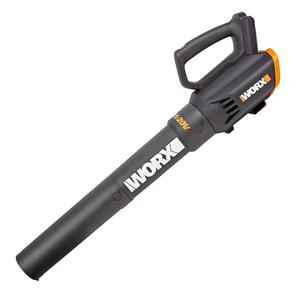
  • Blowing wet leaves and grit off paths, driveways, and hardstanding before a handover, so you are not sweeping for an hour at the end of the day.
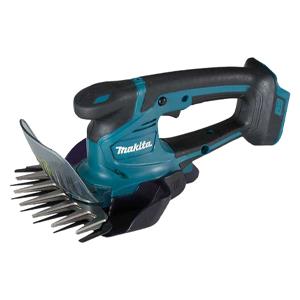
  • Cutting back hedges, brambles, and scrub on refurb and maintenance jobs where you need quick clearance without dragging petrol kit through a customer's garden.
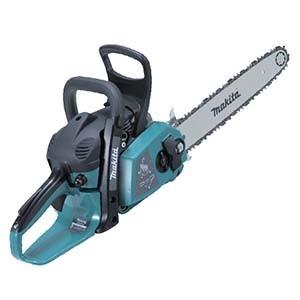
  • Chopping logs and breaking down branches after storm damage or site clearance, especially where a compact saw is easier to control than full-size petrol gear.
  • Keeping communal areas and managed grounds presentable on regular rounds, where reliable outdoor tools matter more than chasing maximum headline power.

Choosing the Right Outdoor Power Equipment

Pick it like you would any site kit: match the tool to the work you actually do, then choose the battery system that keeps you running without downtime.

1. Cordless vs Petrol

If you are doing regular site maintenance, working near occupied buildings, or hopping between jobs, cordless garden power tools are the sensible choice for low hassle and quick start. If you are clearing heavy scrub all day in remote spots, petrol still has its place, but you will pay for it in noise, fumes, and upkeep.

2. Battery Platform and Pack Size

If you already run a cordless platform, stick with it so batteries and chargers stay interchangeable across your outdoor tools. For strimmers, blowers, and saws, small packs are fine for quick hits, but for full rounds you will want higher capacity batteries or spares so you are not stood waiting on a charger.

3. Tool Type and Cutting Capacity

If it is edging and long grass, prioritise a strimmer with the right line thickness and a head that is easy to reload. If it is hedges, check blade length and tooth spacing so it does not stall in thicker growth. If it is logs and branches, choose a saw that matches the diameter you are actually cutting, not the odd one-off.

Who Uses This Outdoor Power Equipment?

Landscapers and grounds teams use garden power tools all day for strimming, cutting back, and keeping sites sharp between visits. Maintenance crews, housing teams, and site managers also keep a few key outdoor tools in the van for quick clear-ups before inspections, handovers, and tenant call-outs.

How Cordless Outdoor Power Equipment Works for You

Most modern garden power tools are built around shared battery platforms, so one set of batteries can run multiple outdoor tools. The trick is understanding what drains power fastest and planning your packs around it.

1. High-Draw Tools vs Light-Draw Tools

Blowers, chainsaws, and heavy strimming pull hard from the battery, especially in wet growth, so runtime drops quicker than you expect. Hedge trimmers and light trimming are easier on packs, which is why a mixed kit can share batteries sensibly.

2. Runtime is About the Work, Not the Spec Sheet

Cutting thick brambles, chewing through damp leaves, or running flat-out on turbo will empty batteries fast. If you are doing proper clearance, plan on spare batteries and use variable speed properly so you are not wasting power when you do not need it.

3. One Platform Keeps the Van Simple

Sticking to one battery system means fewer chargers, fewer dead packs, and less faff when someone grabs a tool last minute. It is the difference between getting the perimeter cleared today and coming back tomorrow because the wrong charger is in the workshop.

Shop Outdoor Power Equipment at ITS

Whether you need a single replacement garden power tool or you are building a full van-ready set of outdoor tools, we stock the proper range in one place. It is all held in our own warehouse, in stock and ready for next day delivery, so you can order today and crack on tomorrow.

Outdoor Power Equipment FAQs

Are battery garden tools any good?

Yes, for most day-to-day maintenance they are properly usable now, especially for strimming, hedge cutting, and blowing down paths. The honest bit is runtime: heavy, wet growth and constant full power will drain batteries fast, so plan spare packs if you are doing long rounds.

Which is the best cordless power tool brand?

There is not one single best for everyone, because the battery platform is what locks your costs in. The best choice is the brand you can standardise across your garden power tools and your other cordless kit, with batteries you can buy easily and tools that match the work you actually do.

Will cordless outdoor tools cope with wet grass and damp leaves?

They will cope, but expect to work the tool harder and burn through batteries quicker in wet conditions. For strimmers, keep the line fresh and the head clean, and for blowers do not just pin it on max the whole time unless you need to.

How many batteries do I realistically need for a day's work?

For quick tidy-ups, one good battery can be enough. For proper site clearance or regular grounds rounds, you will want at least one spare battery per high-draw tool, because blowers and saws can empty a pack quicker than you think when you are flat out.

Is it worth buying garden power tools as body only?

If you are already on the same battery platform, body only is usually the sensible buy because you are not paying again for chargers and small packs you will not use. If you are starting from scratch, a kit with batteries and a charger gets you working straight away.
Read more

Garden Power Tools

Outdoor power equipment is what you reach for when the job's bigger than a rake and a pair of gloves.

When you've got overgrown edges, wet leaves, thick scrub or a site perimeter that needs clearing before the handover, decent garden power tools save hours and your back. Go cordless if you're moving around a lot, and match the tool to the battery platform you already run so you're not juggling chargers and packs.

What Are Outdoor Power Equipment and Garden Power Tools Used For?

  • Clearing long grass and rough edges around plots, fences, and site cabins so you can see trip hazards and keep access routes tidy.
  • Blowing wet leaves and grit off paths, driveways, and hardstanding before a handover, so you are not sweeping for an hour at the end of the day.
  • Cutting back hedges, brambles, and scrub on refurb and maintenance jobs where you need quick clearance without dragging petrol kit through a customer's garden.
  • Chopping logs and breaking down branches after storm damage or site clearance, especially where a compact saw is easier to control than full-size petrol gear.
  • Keeping communal areas and managed grounds presentable on regular rounds, where reliable outdoor tools matter more than chasing maximum headline power.

Choosing the Right Outdoor Power Equipment

Pick it like you would any site kit: match the tool to the work you actually do, then choose the battery system that keeps you running without downtime.

1. Cordless vs Petrol

If you are doing regular site maintenance, working near occupied buildings, or hopping between jobs, cordless garden power tools are the sensible choice for low hassle and quick start. If you are clearing heavy scrub all day in remote spots, petrol still has its place, but you will pay for it in noise, fumes, and upkeep.

2. Battery Platform and Pack Size

If you already run a cordless platform, stick with it so batteries and chargers stay interchangeable across your outdoor tools. For strimmers, blowers, and saws, small packs are fine for quick hits, but for full rounds you will want higher capacity batteries or spares so you are not stood waiting on a charger.

3. Tool Type and Cutting Capacity

If it is edging and long grass, prioritise a strimmer with the right line thickness and a head that is easy to reload. If it is hedges, check blade length and tooth spacing so it does not stall in thicker growth. If it is logs and branches, choose a saw that matches the diameter you are actually cutting, not the odd one-off.

Who Uses This Outdoor Power Equipment?

Landscapers and grounds teams use garden power tools all day for strimming, cutting back, and keeping sites sharp between visits. Maintenance crews, housing teams, and site managers also keep a few key outdoor tools in the van for quick clear-ups before inspections, handovers, and tenant call-outs.

How Cordless Outdoor Power Equipment Works for You

Most modern garden power tools are built around shared battery platforms, so one set of batteries can run multiple outdoor tools. The trick is understanding what drains power fastest and planning your packs around it.

1. High-Draw Tools vs Light-Draw Tools

Blowers, chainsaws, and heavy strimming pull hard from the battery, especially in wet growth, so runtime drops quicker than you expect. Hedge trimmers and light trimming are easier on packs, which is why a mixed kit can share batteries sensibly.

2. Runtime is About the Work, Not the Spec Sheet

Cutting thick brambles, chewing through damp leaves, or running flat-out on turbo will empty batteries fast. If you are doing proper clearance, plan on spare batteries and use variable speed properly so you are not wasting power when you do not need it.

3. One Platform Keeps the Van Simple

Sticking to one battery system means fewer chargers, fewer dead packs, and less faff when someone grabs a tool last minute. It is the difference between getting the perimeter cleared today and coming back tomorrow because the wrong charger is in the workshop.

Shop Outdoor Power Equipment at ITS

Whether you need a single replacement garden power tool or you are building a full van-ready set of outdoor tools, we stock the proper range in one place. It is all held in our own warehouse, in stock and ready for next day delivery, so you can order today and crack on tomorrow.

Outdoor Power Equipment FAQs

Are battery garden tools any good?

Yes, for most day-to-day maintenance they are properly usable now, especially for strimming, hedge cutting, and blowing down paths. The honest bit is runtime: heavy, wet growth and constant full power will drain batteries fast, so plan spare packs if you are doing long rounds.

Which is the best cordless power tool brand?

There is not one single best for everyone, because the battery platform is what locks your costs in. The best choice is the brand you can standardise across your garden power tools and your other cordless kit, with batteries you can buy easily and tools that match the work you actually do.

Will cordless outdoor tools cope with wet grass and damp leaves?

They will cope, but expect to work the tool harder and burn through batteries quicker in wet conditions. For strimmers, keep the line fresh and the head clean, and for blowers do not just pin it on max the whole time unless you need to.

How many batteries do I realistically need for a day's work?

For quick tidy-ups, one good battery can be enough. For proper site clearance or regular grounds rounds, you will want at least one spare battery per high-draw tool, because blowers and saws can empty a pack quicker than you think when you are flat out.

Is it worth buying garden power tools as body only?

If you are already on the same battery platform, body only is usually the sensible buy because you are not paying again for chargers and small packs you will not use. If you are starting from scratch, a kit with batteries and a charger gets you working straight away.
ITS Click and Collect Icon
What3Words:
Get Directions
Store Opening Hours
Opening times