




Dewalt Safety Boots & Trainers Dewalt Safety Boots & Trainers

Dewalt Safety Boots & Trainers

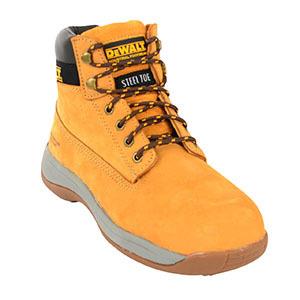
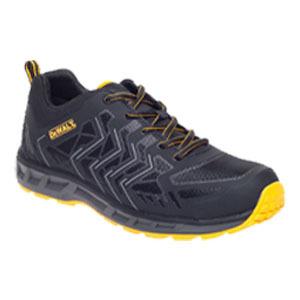
DeWalt trainer boots give you trainer comfort with proper toe and sole protection for site work, so you can stay quick on your feet without wrecking them.

When you're up and down ladders, in and out the van, and walking big jobs all day, heavy boots can ruin you by lunch. DeWalt trainer boots are built for that pace, with safety ratings where it matters and lighter, more flexible uppers that don't fight you. Pick the right fit and protection level, then get back to graft.

What Jobs Are DeWalt Trainer Boots Best At?

  • Walking large sites and refurbs all day where you need safety footwear that feels like a trainer but still takes knocks from blocks, tools, and dropped fixings.
  • Fit-out and first fix work where you are constantly kneeling, stepping over materials, and moving room to room, so a lighter safety trainer stops your feet feeling like lead.
  • Maintenance and snagging runs where you are in and out of the van, up steps, and across mixed surfaces, so grip and comfort matter as much as toe protection.
  • Warehouse, yard, and delivery work where you are shifting loads and turning quickly, and a trainer-boot style gives you ankle support without the stiffness of a full work boot.

Choosing the Right DeWalt Trainer Boots

Sorting the right pair is simple: match the protection rating and fit to what you actually walk on all day, not what looks good on the shelf.

1. Safety rating and toe protection

If your site is strict on compliance, check the EN rating and whether you need a steel or composite toe. If you are working around lighter fit-out risks, you can prioritise comfort, but do not under-spec if there is any chance of dropped materials or plant traffic.

2. Sole type for what you stand on

If you are on wet slabs, dusty screed, or mixed ground outside, go for a deeper tread and a sole that is rated for slip resistance. If you are mostly indoors on clean concrete, you can go a bit lighter, but you still want grip when the floor is covered in plaster dust.

3. Fit and width for long shifts

If your toes feel pinched in the first hour, they will be agony by the afternoon, so size for work socks and check the width. A trainer-boot should feel secure at the heel with room at the front, and you should not be relying on laces to stop heel lift.

Who Are DeWalt Trainer Boots For on Site?

  • Sparks, plumbers, and HVAC fitters who are clocking big step counts on first fix and want safety footwear that stays comfortable through long days.
  • Chippies and dryliners doing fit-out work who need something lighter for constant movement, but still want a proper protective toe and a sole that grips on dusty floors.
  • Maintenance teams and site supervisors who are on the go all day and want professional DeWalt trainer boots that look tidy but still meet site rules.

The Basics: Understanding Safety Trainers

Safety trainers are built to feel like everyday footwear, but they add the protection you need for site rules and real knocks. Here's what matters when you are choosing.

1. Trainer comfort with a protective core

The big difference is the protective toe and safety sole, which are there to take impacts and stop sharp debris coming through from below, while the upper stays flexible so you can walk and kneel without fighting the boot.

2. Grip and stability are part of the safety

On site, slips cause as many problems as impacts, so the outsole pattern and compound matter. A good safety trainer should bite on wet concrete and still feel stable when you are twisting and turning with materials in your hands.

3. Weight and breathability affect how long you last

Lighter trainer boots reduce fatigue when you are doing miles a day, and breathable linings help on warm jobs. Just remember that lighter does not mean weaker, as long as the pair is properly rated for the work you are doing.

Shop DeWalt Trainer Boots at ITS

Whether you need a lighter pair for fit-out work or tougher dewalt trainer boots for rougher days, you can sort it here without messing about. We stock the full range of DeWalt safety boots and trainers in our own warehouse, ready for next day delivery so you are not turning up to site in the wrong footwear.

DeWalt Trainer Boots FAQs

What is the most comfortable DeWalt safety boot?

The most comfortable option is usually the DeWalt trainer-boot style that matches your foot shape and the ground you are on all day. If you are doing big step counts, prioritise a cushioned midsole, a secure heel, and enough toe room for work socks, because a tight fit will ruin you by mid-shift.

How long do safety trainers last?

It depends on how hard you are on them, but on regular site use expect the sole and lining to show it first. If the tread is worn smooth, the upper is splitting, or the inside heel is collapsing, they are done, because comfort and grip drop off fast once they are past their best.

What are safety trainers?

Safety trainers are trainer-style safety footwear with a protective toe and a safety-rated sole, built to meet site requirements while staying lighter and more flexible than a traditional work boot. They are a solid choice for trades who move all day but still need proper protection underfoot.

Are DeWalt trainer boots OK for wet and muddy jobs?

Some are, some are not, so check the upper material and whether the pair is listed as water resistant or waterproof. For wet groundworks or constant mud, a deeper tread and a more sealed upper will last longer, while lighter mesh styles are better kept for drier fit-out and indoor work.

Do safety trainer boots need breaking in?

Most trainer boots need very little break-in compared to full leather boots, but you should still wear them for a couple of shorter stints first. If they rub badly straight away, it is usually the wrong size or shape for your foot, not something that will magically fix itself.
Read more

Dewalt Safety Boots & Trainers

DeWalt trainer boots give you trainer comfort with proper toe and sole protection for site work, so you can stay quick on your feet without wrecking them.

When you're up and down ladders, in and out the van, and walking big jobs all day, heavy boots can ruin you by lunch. DeWalt trainer boots are built for that pace, with safety ratings where it matters and lighter, more flexible uppers that don't fight you. Pick the right fit and protection level, then get back to graft.

What Jobs Are DeWalt Trainer Boots Best At?

  • Walking large sites and refurbs all day where you need safety footwear that feels like a trainer but still takes knocks from blocks, tools, and dropped fixings.
  • Fit-out and first fix work where you are constantly kneeling, stepping over materials, and moving room to room, so a lighter safety trainer stops your feet feeling like lead.
  • Maintenance and snagging runs where you are in and out of the van, up steps, and across mixed surfaces, so grip and comfort matter as much as toe protection.
  • Warehouse, yard, and delivery work where you are shifting loads and turning quickly, and a trainer-boot style gives you ankle support without the stiffness of a full work boot.

Choosing the Right DeWalt Trainer Boots

Sorting the right pair is simple: match the protection rating and fit to what you actually walk on all day, not what looks good on the shelf.

1. Safety rating and toe protection

If your site is strict on compliance, check the EN rating and whether you need a steel or composite toe. If you are working around lighter fit-out risks, you can prioritise comfort, but do not under-spec if there is any chance of dropped materials or plant traffic.

2. Sole type for what you stand on

If you are on wet slabs, dusty screed, or mixed ground outside, go for a deeper tread and a sole that is rated for slip resistance. If you are mostly indoors on clean concrete, you can go a bit lighter, but you still want grip when the floor is covered in plaster dust.

3. Fit and width for long shifts

If your toes feel pinched in the first hour, they will be agony by the afternoon, so size for work socks and check the width. A trainer-boot should feel secure at the heel with room at the front, and you should not be relying on laces to stop heel lift.

Who Are DeWalt Trainer Boots For on Site?

  • Sparks, plumbers, and HVAC fitters who are clocking big step counts on first fix and want safety footwear that stays comfortable through long days.
  • Chippies and dryliners doing fit-out work who need something lighter for constant movement, but still want a proper protective toe and a sole that grips on dusty floors.
  • Maintenance teams and site supervisors who are on the go all day and want professional DeWalt trainer boots that look tidy but still meet site rules.

The Basics: Understanding Safety Trainers

Safety trainers are built to feel like everyday footwear, but they add the protection you need for site rules and real knocks. Here's what matters when you are choosing.

1. Trainer comfort with a protective core

The big difference is the protective toe and safety sole, which are there to take impacts and stop sharp debris coming through from below, while the upper stays flexible so you can walk and kneel without fighting the boot.

2. Grip and stability are part of the safety

On site, slips cause as many problems as impacts, so the outsole pattern and compound matter. A good safety trainer should bite on wet concrete and still feel stable when you are twisting and turning with materials in your hands.

3. Weight and breathability affect how long you last

Lighter trainer boots reduce fatigue when you are doing miles a day, and breathable linings help on warm jobs. Just remember that lighter does not mean weaker, as long as the pair is properly rated for the work you are doing.

Shop DeWalt Trainer Boots at ITS

Whether you need a lighter pair for fit-out work or tougher dewalt trainer boots for rougher days, you can sort it here without messing about. We stock the full range of DeWalt safety boots and trainers in our own warehouse, ready for next day delivery so you are not turning up to site in the wrong footwear.

DeWalt Trainer Boots FAQs

What is the most comfortable DeWalt safety boot?

The most comfortable option is usually the DeWalt trainer-boot style that matches your foot shape and the ground you are on all day. If you are doing big step counts, prioritise a cushioned midsole, a secure heel, and enough toe room for work socks, because a tight fit will ruin you by mid-shift.

How long do safety trainers last?

It depends on how hard you are on them, but on regular site use expect the sole and lining to show it first. If the tread is worn smooth, the upper is splitting, or the inside heel is collapsing, they are done, because comfort and grip drop off fast once they are past their best.

What are safety trainers?

Safety trainers are trainer-style safety footwear with a protective toe and a safety-rated sole, built to meet site requirements while staying lighter and more flexible than a traditional work boot. They are a solid choice for trades who move all day but still need proper protection underfoot.

Are DeWalt trainer boots OK for wet and muddy jobs?

Some are, some are not, so check the upper material and whether the pair is listed as water resistant or waterproof. For wet groundworks or constant mud, a deeper tread and a more sealed upper will last longer, while lighter mesh styles are better kept for drier fit-out and indoor work.

Do safety trainer boots need breaking in?

Most trainer boots need very little break-in compared to full leather boots, but you should still wear them for a couple of shorter stints first. If they rub badly straight away, it is usually the wrong size or shape for your foot, not something that will magically fix itself.
ITS Click and Collect Icon
What3Words:
Get Directions
Store Opening Hours
Opening times
