


Bosch Dust Extractors & Vacuums Bosch Dust Extractors & Vacuums

Bosch Dust Extractors & Vacuums

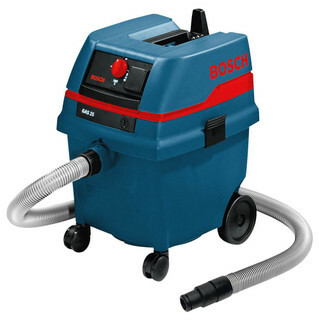
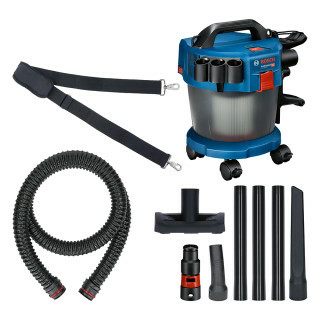
Bosch dust extractor models keep site dust under control when you're drilling, sanding or cutting, with proper extraction that works with your power tools.

If you're chasing walls, sanding filler or cutting MDF indoors, you need more than a basic vac. A Bosch dust extractor is built for dust extraction for power tools, cleaner work areas and less mess in the van. Bosch vacuum cleaner and bosch wet and dry vacuum options cover general clean-up, tool-triggered extraction and proper site dust control, so pick the one that matches your trade and get sorted.

What Are Bosch Dust Extractors Used For?

  • Chasing out brick and block for first fix, where a Bosch dust extractor keeps airborne dust down and stops the room turning into a fog of plaster and masonry.
  • Sanding filler, timber and painted surfaces on refurbs, where a bosch professional dust extractor linked to the tool saves time on clean-up and leaves a better finish for the next trade.
  • Cleaning out vans, workshops and site cabins, where a Bosch vacuum cleaner deals with the fine dust and general muck that builds up after a full week on the tools.
  • Picking up slurry, damp debris and day-to-day site mess, where a bosch wet and dry vacuum earns its keep on jobs that are not just dry dust and timber shavings.
  • Running dust extraction for power tools on repeat cuts and holes, especially with Bosch Sanders and Bosch Saws where keeping the cut line clear matters.

Choosing the Right Bosch Dust Extractor

Sorting the right one is simple: match the extractor to the dust, the tool and how long you are on that job.

1. Tool Extraction or General Clean-Up

If you need dust extraction for power tools all day, buy a Bosch dust extractor with tool take-off and auto start. If it is mainly for clearing the van, tidying rooms and picking up after the job, a Bosch vacuum cleaner will do the basic work without overcomplicating it.

2. Dry Dust or Wet and Dry

If your jobs are mostly plaster, MDF and masonry dust, a standard dust setup is fine. If you are dealing with damp debris, leaks, slurry or mixed mess on site, go straight for a bosch wet and dry vacuum so you are not wrecking filters with the wrong machine.

3. Cordless Convenience or Mains Runtime

If you are in occupied properties, stairwells or quick snagging jobs, a Bosch cordless vacuum is handy and faster to move about. If you are cutting, drilling or sanding for hours, mains-powered Bosch professional dust extractor models make more sense because they keep going without battery swaps.

4. Capacity and Filter Setup

Do not buy a tiny unit if you are making serious dust every day. Bigger containers mean fewer stops, and the right bags and filters matter just as much as suction, especially when you are collecting fine dust that clogs cheap setups fast.

Who Uses These on Site?

  • Sparkies use a bosch site vacuum when drilling fixing holes, chasing for back boxes and keeping occupied homes cleaner during first and second fix.
  • Chippies and kitchen fitters swear by them for sanding, trimming panels and cutting sheet material indoors where dust gets everywhere if you do not extract it properly.
  • Decorators reach for a bosch dust extractor when sanding filler and prep coats because it keeps the room tidier and cuts down on dust settling back into fresh work.
  • Joiners, flooring teams and snagging crews use Bosch cordless vacuum and mains models for quick clean-downs, edge work and picking up fine dust before handover.
  • Site managers and maintenance teams keep a trade dust extractor on hand for general site dust control, especially on refurbs where clients notice mess straight away.

The Basics: Understanding Bosch Dust Extractors

These are not just for tidying up after the mess. A Bosch dust extractor is built to pull dust straight from the tool, keep the work area clearer and stop fine stuff hanging around the room.

1. Tool-Triggered Extraction

Many models plug straight into your power tool and start when the tool starts. That means dust is being pulled away while you cut, drill or sand, not after it has already spread across the room.

2. Dust Extraction vs General Vacuuming

A bosch site vacuum made for extraction is set up for finer dust and repeated tool use, not just loose rubble on the floor. That is why it suits trade dust extractor work better than a basic household vac.

3. Wet and Dry Models

A bosch wet and dry vacuum can handle both fine site dust and wetter mess, which is useful on mixed jobs. You still need the right filter and bag setup though, otherwise performance drops and you will spend more time unclogging than working.

Bosch Dust Extractor Accessories That Save You Hassle

The right extras keep suction strong, stop downtime and make your extractor work properly with the tools you actually use.

1. Dust Bags

Do not wait until the last bag is full and split. Keeping spare Bosch Dust Bags on the van saves you from shaking out fine dust by hand and killing suction halfway through the job.

2. Hoses and Adaptors

A proper adaptor is what stops you holding the hose in place with one hand while trying to cut with the other. The right fittings from Bosch Dust Extractor Accessories make tool connection tighter and extraction far more effective.

3. Replacement Filters

Once filters are clogged, suction drops off and the machine starts feeling weak even though the motor is fine. Swapping filters when needed keeps the airflow where it should be and stops fine dust blowing back out.

4. Respiratory Protection

Extraction does a lot, but it is not a free pass on dusty work. Keep Masks, Face Sheilds & Respirators in the kit for chasing, sanding and drilling overhead where dust still ends up in your face.

Choose the Right Bosch Dust Extractor for the Job

Use this quick guide to sort the right Bosch vacuum cleaner for the work in front of you.

Your Job Bosch Category or Type Key Features
Drilling and chasing indoors Tool-triggered Bosch dust extractor Power tool socket, fine dust filtration, hose fit for repeated drilling and masonry work
Sanding filler, timber and painted surfaces Bosch professional dust extractor Strong airflow, good filter setup, steady suction for longer sanding sessions
Van, workshop and snagging clean-ups Bosch cordless vacuum Portable, quick to grab, no lead to drag round finished areas
Mixed wet and dry site mess Bosch wet and dry vacuum Handles damp debris, general muck and day-to-day clean-down without needing two machines
Busy refurbs with dust-sensitive areas Bosch site vacuum with extraction setup Cleaner working area, better dust control and less sweep-up at the end of the day

Common Buying and Usage Mistakes

  • Buying on tank size alone is a common mistake. A big drum is no help if the extractor is not suited to fine dust or tool connection, so check the actual job it is built for first.
  • Using the wrong bag or filter setup soon knocks performance down. If suction suddenly feels poor, it is often a blocked filter or the wrong consumable rather than a bad machine.
  • Treating a general vacuum like a proper trade dust extractor usually ends in frustration. Fine sanding and masonry dust clog basic units fast, so use a machine designed for dust extraction for power tools.
  • Going cordless for full-day extraction work can leave you short halfway through the shift. Cordless is brilliant for mobility, but heavy continuous use often wants a mains unit.
  • Ignoring hose and adaptor fit wastes half the extractor's benefit. If the hose does not seal properly to the tool, dust escapes at source and you are back to cleaning the room by hand.

Cordless Vacuum vs Mains Extractor vs Wet and Dry Vacuum

Bosch Cordless Vacuum

Best for quick clean-ups, stairs, occupied homes and small snagging jobs where dragging a lead is more hassle than the work itself. Handy and fast, but not the one to pick for all-day sanding or chasing.

Bosch Mains Dust Extractor

This is the better choice for regular dust extraction for power tools. You get longer runtime, stronger consistency and proper support for repeated site work with sanders, saws and drills.

Bosch Wet and Dry Vacuum

A solid option if your jobs swing between dry dust, damp muck and general clean-down. More versatile than a dry-only unit, but make sure it is still set up right if fine dust control is your main concern.

Which One Suits You

If you are mostly on tool extraction, buy the mains Bosch dust extractor. If you need grab-and-go portability, pick cordless. If the site regularly throws wet and dry mess at you, the wet and dry vacuum earns the space in the van.

Maintenance and Care

Empty It Before It Is Packed Solid

Do not keep pushing on once the bag or tub is full. Overfilled extractors lose airflow, work harder than they need to and usually end up blowing dust round the machine instead of pulling it in.

Clean or Change Filters on Time

Fine plaster and MDF dust clog filters quickly. If suction drops, check the filter before assuming the motor is gone. Keeping filters clean is one of the easiest ways to make the machine last.

Check Hoses for Splits and Blockages

A hose with a split or packed blockage kills extraction at source. Give it a quick check after dusty jobs, especially if you have been pulling through rubble, chippings or wet debris.

Store Dry and Tidy

If it is a bosch wet and dry vacuum, dry it out properly before it goes back in the van or lockup. Leaving damp muck sitting inside is asking for smells, clogged filters and short service life.

Replace Worn Consumables, Not the Whole Unit

A tired bag, blocked filter or battered adaptor can make a decent extractor feel finished. Sort the wear parts first before writing the machine off and spending money you did not need to.

Why Shop for Bosch Dust Extractors at ITS?

Whether you need a Bosch dust extractor for power tool extraction, a Bosch vacuum cleaner for site clean-up, or a bosch wet and dry vacuum for mixed mess, we stock the full Bosch range in one place. That means the main models, sizes and accessories are in our own warehouse, in stock and ready for next day delivery.

Bosch Dust Extractor FAQs

Which Bosch dust extractor is best for power tools?

The best one is the model with tool take-off, auto start and the right airflow for the dust you are making. If you are regularly sanding, drilling or cutting on site, go for a Bosch dust extractor built specifically for dust extraction for power tools rather than a basic clean-up vacuum.

What is the difference between a dust extractor and a vacuum?

A dust extractor is meant to work with tools while the dust is being made, not just clean up after. A standard vacuum is fine for loose debris and general mess, but a proper trade dust extractor is better for fine dust, tool connection and repeated site use.

Are Bosch dust extractors suitable for sanding and drilling dust?

Yes, that is exactly the sort of work they are made for, provided you match the machine, bag and filter to the job. Fine sanding dust and drilling dust are where a Bosch professional dust extractor earns its keep because it keeps the work area cleaner and cuts down airborne dust.

How do I choose Bosch dust bags and filters?

Start with the extractor model and the type of waste you are collecting. Fine plaster, MDF and masonry dust need the right Bosch dust bags and filters to keep suction up, while wet pickup needs the correct setup so you do not ruin the filter or choke the machine.

Will a Bosch cordless vacuum replace a full size extractor?

For quick tidy-ups and smaller jobs, yes, it can be enough. For full-day sanding, chasing or cutting, not really. Cordless is brilliant for portability, but mains extractors are still the better bet for long, dusty shifts.

Can these handle wet mess as well as dry dust?

Only the Bosch wet and dry vacuum models are meant for that kind of mixed use. They are properly useful on site, but you still need to swap or check the right filter and bag arrangement before changing from dry dust to wet pick-up.
Read more

Bosch Dust Extractors & Vacuums

Bosch dust extractor models keep site dust under control when you're drilling, sanding or cutting, with proper extraction that works with your power tools.

If you're chasing walls, sanding filler or cutting MDF indoors, you need more than a basic vac. A Bosch dust extractor is built for dust extraction for power tools, cleaner work areas and less mess in the van. Bosch vacuum cleaner and bosch wet and dry vacuum options cover general clean-up, tool-triggered extraction and proper site dust control, so pick the one that matches your trade and get sorted.

What Are Bosch Dust Extractors Used For?

  • Chasing out brick and block for first fix, where a Bosch dust extractor keeps airborne dust down and stops the room turning into a fog of plaster and masonry.
  • Sanding filler, timber and painted surfaces on refurbs, where a bosch professional dust extractor linked to the tool saves time on clean-up and leaves a better finish for the next trade.
  • Cleaning out vans, workshops and site cabins, where a Bosch vacuum cleaner deals with the fine dust and general muck that builds up after a full week on the tools.
  • Picking up slurry, damp debris and day-to-day site mess, where a bosch wet and dry vacuum earns its keep on jobs that are not just dry dust and timber shavings.
  • Running dust extraction for power tools on repeat cuts and holes, especially with Bosch Sanders and Bosch Saws where keeping the cut line clear matters.

Choosing the Right Bosch Dust Extractor

Sorting the right one is simple: match the extractor to the dust, the tool and how long you are on that job.

1. Tool Extraction or General Clean-Up

If you need dust extraction for power tools all day, buy a Bosch dust extractor with tool take-off and auto start. If it is mainly for clearing the van, tidying rooms and picking up after the job, a Bosch vacuum cleaner will do the basic work without overcomplicating it.

2. Dry Dust or Wet and Dry

If your jobs are mostly plaster, MDF and masonry dust, a standard dust setup is fine. If you are dealing with damp debris, leaks, slurry or mixed mess on site, go straight for a bosch wet and dry vacuum so you are not wrecking filters with the wrong machine.

3. Cordless Convenience or Mains Runtime

If you are in occupied properties, stairwells or quick snagging jobs, a Bosch cordless vacuum is handy and faster to move about. If you are cutting, drilling or sanding for hours, mains-powered Bosch professional dust extractor models make more sense because they keep going without battery swaps.

4. Capacity and Filter Setup

Do not buy a tiny unit if you are making serious dust every day. Bigger containers mean fewer stops, and the right bags and filters matter just as much as suction, especially when you are collecting fine dust that clogs cheap setups fast.

Who Uses These on Site?

  • Sparkies use a bosch site vacuum when drilling fixing holes, chasing for back boxes and keeping occupied homes cleaner during first and second fix.
  • Chippies and kitchen fitters swear by them for sanding, trimming panels and cutting sheet material indoors where dust gets everywhere if you do not extract it properly.
  • Decorators reach for a bosch dust extractor when sanding filler and prep coats because it keeps the room tidier and cuts down on dust settling back into fresh work.
  • Joiners, flooring teams and snagging crews use Bosch cordless vacuum and mains models for quick clean-downs, edge work and picking up fine dust before handover.
  • Site managers and maintenance teams keep a trade dust extractor on hand for general site dust control, especially on refurbs where clients notice mess straight away.

The Basics: Understanding Bosch Dust Extractors

These are not just for tidying up after the mess. A Bosch dust extractor is built to pull dust straight from the tool, keep the work area clearer and stop fine stuff hanging around the room.

1. Tool-Triggered Extraction

Many models plug straight into your power tool and start when the tool starts. That means dust is being pulled away while you cut, drill or sand, not after it has already spread across the room.

2. Dust Extraction vs General Vacuuming

A bosch site vacuum made for extraction is set up for finer dust and repeated tool use, not just loose rubble on the floor. That is why it suits trade dust extractor work better than a basic household vac.

3. Wet and Dry Models

A bosch wet and dry vacuum can handle both fine site dust and wetter mess, which is useful on mixed jobs. You still need the right filter and bag setup though, otherwise performance drops and you will spend more time unclogging than working.

Bosch Dust Extractor Accessories That Save You Hassle

The right extras keep suction strong, stop downtime and make your extractor work properly with the tools you actually use.

1. Dust Bags

Do not wait until the last bag is full and split. Keeping spare Bosch Dust Bags on the van saves you from shaking out fine dust by hand and killing suction halfway through the job.

2. Hoses and Adaptors

A proper adaptor is what stops you holding the hose in place with one hand while trying to cut with the other. The right fittings from Bosch Dust Extractor Accessories make tool connection tighter and extraction far more effective.

3. Replacement Filters

Once filters are clogged, suction drops off and the machine starts feeling weak even though the motor is fine. Swapping filters when needed keeps the airflow where it should be and stops fine dust blowing back out.

4. Respiratory Protection

Extraction does a lot, but it is not a free pass on dusty work. Keep Masks, Face Sheilds & Respirators in the kit for chasing, sanding and drilling overhead where dust still ends up in your face.

Choose the Right Bosch Dust Extractor for the Job

Use this quick guide to sort the right Bosch vacuum cleaner for the work in front of you.

Your Job Bosch Category or Type Key Features
Drilling and chasing indoors Tool-triggered Bosch dust extractor Power tool socket, fine dust filtration, hose fit for repeated drilling and masonry work
Sanding filler, timber and painted surfaces Bosch professional dust extractor Strong airflow, good filter setup, steady suction for longer sanding sessions
Van, workshop and snagging clean-ups Bosch cordless vacuum Portable, quick to grab, no lead to drag round finished areas
Mixed wet and dry site mess Bosch wet and dry vacuum Handles damp debris, general muck and day-to-day clean-down without needing two machines
Busy refurbs with dust-sensitive areas Bosch site vacuum with extraction setup Cleaner working area, better dust control and less sweep-up at the end of the day

Common Buying and Usage Mistakes

  • Buying on tank size alone is a common mistake. A big drum is no help if the extractor is not suited to fine dust or tool connection, so check the actual job it is built for first.
  • Using the wrong bag or filter setup soon knocks performance down. If suction suddenly feels poor, it is often a blocked filter or the wrong consumable rather than a bad machine.
  • Treating a general vacuum like a proper trade dust extractor usually ends in frustration. Fine sanding and masonry dust clog basic units fast, so use a machine designed for dust extraction for power tools.
  • Going cordless for full-day extraction work can leave you short halfway through the shift. Cordless is brilliant for mobility, but heavy continuous use often wants a mains unit.
  • Ignoring hose and adaptor fit wastes half the extractor's benefit. If the hose does not seal properly to the tool, dust escapes at source and you are back to cleaning the room by hand.

Cordless Vacuum vs Mains Extractor vs Wet and Dry Vacuum

Bosch Cordless Vacuum

Best for quick clean-ups, stairs, occupied homes and small snagging jobs where dragging a lead is more hassle than the work itself. Handy and fast, but not the one to pick for all-day sanding or chasing.

Bosch Mains Dust Extractor

This is the better choice for regular dust extraction for power tools. You get longer runtime, stronger consistency and proper support for repeated site work with sanders, saws and drills.

Bosch Wet and Dry Vacuum

A solid option if your jobs swing between dry dust, damp muck and general clean-down. More versatile than a dry-only unit, but make sure it is still set up right if fine dust control is your main concern.

Which One Suits You

If you are mostly on tool extraction, buy the mains Bosch dust extractor. If you need grab-and-go portability, pick cordless. If the site regularly throws wet and dry mess at you, the wet and dry vacuum earns the space in the van.

Maintenance and Care

Empty It Before It Is Packed Solid

Do not keep pushing on once the bag or tub is full. Overfilled extractors lose airflow, work harder than they need to and usually end up blowing dust round the machine instead of pulling it in.

Clean or Change Filters on Time

Fine plaster and MDF dust clog filters quickly. If suction drops, check the filter before assuming the motor is gone. Keeping filters clean is one of the easiest ways to make the machine last.

Check Hoses for Splits and Blockages

A hose with a split or packed blockage kills extraction at source. Give it a quick check after dusty jobs, especially if you have been pulling through rubble, chippings or wet debris.

Store Dry and Tidy

If it is a bosch wet and dry vacuum, dry it out properly before it goes back in the van or lockup. Leaving damp muck sitting inside is asking for smells, clogged filters and short service life.

Replace Worn Consumables, Not the Whole Unit

A tired bag, blocked filter or battered adaptor can make a decent extractor feel finished. Sort the wear parts first before writing the machine off and spending money you did not need to.

Why Shop for Bosch Dust Extractors at ITS?

Whether you need a Bosch dust extractor for power tool extraction, a Bosch vacuum cleaner for site clean-up, or a bosch wet and dry vacuum for mixed mess, we stock the full Bosch range in one place. That means the main models, sizes and accessories are in our own warehouse, in stock and ready for next day delivery.

Bosch Dust Extractor FAQs

Which Bosch dust extractor is best for power tools?

The best one is the model with tool take-off, auto start and the right airflow for the dust you are making. If you are regularly sanding, drilling or cutting on site, go for a Bosch dust extractor built specifically for dust extraction for power tools rather than a basic clean-up vacuum.

What is the difference between a dust extractor and a vacuum?

A dust extractor is meant to work with tools while the dust is being made, not just clean up after. A standard vacuum is fine for loose debris and general mess, but a proper trade dust extractor is better for fine dust, tool connection and repeated site use.

Are Bosch dust extractors suitable for sanding and drilling dust?

Yes, that is exactly the sort of work they are made for, provided you match the machine, bag and filter to the job. Fine sanding dust and drilling dust are where a Bosch professional dust extractor earns its keep because it keeps the work area cleaner and cuts down airborne dust.

How do I choose Bosch dust bags and filters?

Start with the extractor model and the type of waste you are collecting. Fine plaster, MDF and masonry dust need the right Bosch dust bags and filters to keep suction up, while wet pickup needs the correct setup so you do not ruin the filter or choke the machine.

Will a Bosch cordless vacuum replace a full size extractor?

For quick tidy-ups and smaller jobs, yes, it can be enough. For full-day sanding, chasing or cutting, not really. Cordless is brilliant for portability, but mains extractors are still the better bet for long, dusty shifts.

Can these handle wet mess as well as dry dust?

Only the Bosch wet and dry vacuum models are meant for that kind of mixed use. They are properly useful on site, but you still need to swap or check the right filter and bag arrangement before changing from dry dust to wet pick-up.
ITS Click and Collect Icon
What3Words:
Get Directions
Store Opening Hours
Opening times
