Bosch Saws Bosch Saws

Bosch Saws

Bosch saws cover the cuts that slow jobs down, from sheet timber and stud to trims, pipes and site rip-outs, with corded and cordless options that earn their keep.

If you're cutting all week, buy for the job in front of you, not just the badge. Bosch professional saws are the sort of kit sparks, chippies, fitters and refurb teams reach for when they need straight rips, tidy finish cuts or fast demolition without fighting the tool. In this Bosch saws range you'll find Bosch circular saws, Bosch jigsaws, Bosch mitre saws, Bosch reciprocating saws and Bosch plunge saws, plus Bosch cordless saws that make more sense when you're moving room to room. Match the saw to the material, blade and setup, and get the right one on site.

What Jobs Are Bosch Saws Best At?

  • Cutting sheet material on first fix is where Bosch circular saws and Bosch plunge saws come into their own, giving chippies and kitchen fitters cleaner, straighter cuts through ply, OSB, MDF and worktops.
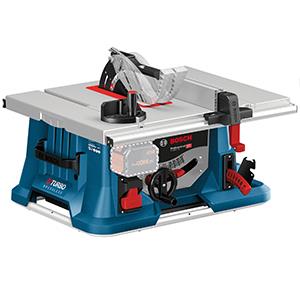
  • Trimming skirting, architrave, stud and carcassing on install jobs is easier with Bosch mitre saws, especially when you need repeatable angles that do not wander by the end of the day.
  • Shaping awkward cuts in laminate, worktops, panels and scribed finish pieces is proper Bosch jigsaws work, where control matters more than brute force and a decent blade saves tear-out.
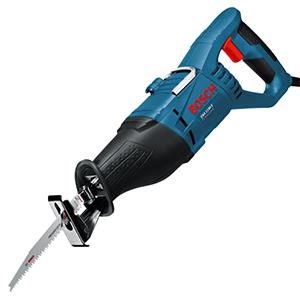
  • Stripping out old timber, plastic pipe, nails and mixed site rubbish during refurb work suits Bosch reciprocating saws, because they get into places a circular saw simply cannot reach.
  • Working across plots, stairwells and snagging jobs is where Bosch cordless saws earn their keep, saving you dragging leads about and letting you cut where the job actually is.

Choosing the Right Bosch Saws

Sorting the right Bosch saw is simple: match the cut, the material and how often you will actually use it.

1. Buy for the Cut Type First

If you are ripping sheet material and timber lengths, go for Bosch circular saws or Bosch plunge saws. If you are cutting curves, sink cuts or awkward scribes, Bosch jigsaws make more sense. If the job is trim, framing or repeat angles, Bosch mitre saws are the right tool. For strip-out and rough access work, Bosch reciprocating saws are the sensible pick.

2. Cordless or Corded

If you are moving around live plots, lofts or refurbs, Bosch cordless saws save time and a lot of faff. If the saw is staying in one place all day on heavy repetitive cutting, corded still makes sense for constant runtime and one less thing to charge.

3. Think About Finish Quality

Do not blame the saw for a rough cut if the blade is wrong. For clean finish work, fine blades matter as much as the tool itself, so sort the right Bosch Saw Blades before you start chewing up decent material.

4. Consider Setup and Dust

If you are doing fitted work in finished homes, buy into a cleaner setup. A plunge saw with Bosch Guide Rails gives straighter cuts, and pairing saws with Bosch Dust Extractors & Vacuums keeps the mess down where clients will notice it.

Who Uses These Bosch Saws?

  • Chippies use Bosch saws day in, day out for first fix stud, sheet cutting, second fix trim and kitchen work, because the range covers rough cutting through to cleaner finish work.
  • Sparkies and plumbers keep Bosch cordless saws close for cutting floorboards, trunking, conduit, plastic pipe and access openings without hauling a big bench setup into every room.
  • Kitchen fitters and joiners rely on Bosch circular saws, Bosch jigsaws and Bosch plunge saws when accuracy matters, especially for worktops, panels and visible finish cuts.
  • Refurb and demolition teams reach for Bosch reciprocating saws when they are cutting out old frames, pipe runs and nailed timber in tight spaces where speed matters more than a pretty edge.
  • Site carpenters and workshop teams favour Bosch mitre saws for repeat cuts on skirting, battens and stud lengths, often paired with Bosch Saw Stands to keep the setup solid.

The Basics: Understanding Bosch Saws

These Bosch cutting tools all do the same basic thing, but they get there in different ways. Knowing which motion suits the job saves bad cuts, wasted boards and a lot of swearing.

1. Circular and Plunge Saws

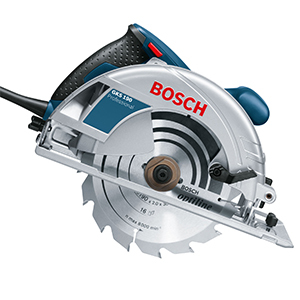
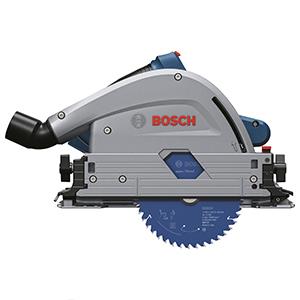
These use a spinning blade for straight cutting through timber and sheet materials. Circular saws are your quick site cutter for rips and cross cuts, while plunge saws are the better option when you need controlled entry cuts and cleaner edges on worktops or panels.

2. Jigsaws

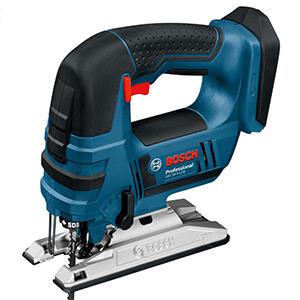
A jigsaw moves the blade up and down, which is what lets it turn through curves and awkward shapes. It is the one you grab for cut-outs, scribing and finish adjustments, not for smashing through stacks of sheet all day.

3. Mitre and Reciprocating Saws

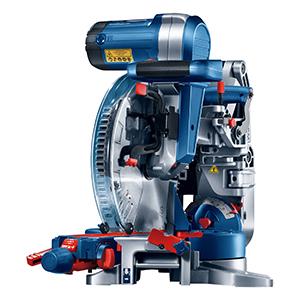
Mitre saws bring the material to a fixed cutting head, which is why they are so good for repeatable angle cuts in trim and framing. Reciprocating saws use a push-pull blade action built for rougher strip-out, cutting through mixed materials and getting into tight spaces fast.

Bosch Saw Accessories That Save Time on Site

The right extras stop poor cuts, shaky setups and needless clean-up once the saw is out.

1. Bosch Saw Blades

Wrong blade, rough cut. It is as simple as that. Keep proper blades for timber, sheet goods, finish work and strip-out so you do not burn edges, tear faces or wreck decent material halfway through the job.

2. Bosch Guide Rails

If you are cutting doors, panels or worktops freehand and hoping for the best, this is what fixes it. Guide rails keep Bosch plunge saws and compatible setups running straight, so you are not wasting time fettling wonky cuts after.

3. Bosch Saw Stands

A mitre saw on the floor gets old quickly and usually costs you accuracy. A proper stand gives you support for longer lengths, a better working height and less grief when you are doing repeat cuts all day.

4. Safety Glasses

Sawdust and chips only need one bad bounce to ruin your day. Keep a pair of Safety Glasses with the saw kit so you are not squinting through cuts or picking muck out your eyes on site.

Choose the Right Bosch Saws for the Job

Use this quick guide to sort the saw type before you buy.

Your Job Bosch Saw Type Key Features
Ripping sheet timber, flooring and carcassing Bosch circular saws Fast straight cuts, good depth capacity, easier to carry round site
Clean worktop cuts, panel sizing and fitted joinery Bosch plunge saws Controlled plunge action, cleaner finish, guide rail compatibility
Curves, cut-outs and scribing around awkward finishes Bosch jigsaws Tight turning ability, better control on shaped cuts, good for finish adjustments
Repeat angle cuts on trim, stud and skirting Bosch mitre saws Accurate cross cuts, mitre and bevel settings, quicker batch cutting
Refurb strip-out, pipe runs and nailed timber Bosch reciprocating saws Fast rough cutting, works in tight spaces, handles mixed materials

Common Buying and Usage Mistakes

  • Buying one saw to do every cut usually ends in compromise. A reciprocating saw is not a finish saw, and a jigsaw is not the fastest answer for ripping sheets, so match the tool to the actual work.
  • Ignoring the blade spec wastes good material. Even the best Bosch professional saws will leave rough edges or slow cuts if the tooth count and blade type are wrong for timber, laminate or mixed strip-out.
  • Choosing cordless without thinking about runtime catches lads out halfway through the day. If the saw is in constant use, make sure your battery setup is up to it or go corded for fixed bench work.
  • Trying to do clean fitted work without a guide or support is asking for trouble. Use rails, stands or proper support so the cut stays straight and the material does not dip or pinch the blade.
  • Skipping dust control and eye protection is a poor trade-off. Fine dust and flying chips slow the job down fast, so sort extraction where possible and wear proper eye protection from the start.

Circular Saws vs Jigsaws vs Mitre Saws

Bosch Circular Saws

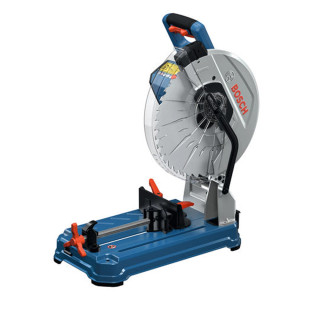
Best for fast straight cuts in sheet and timber on active jobs. They are easier to move round site than mitre saws, but they are not the right pick for tight curves or super-repeatable angle work.

Bosch Jigsaws

Best when the cut is shaped, awkward or needs careful control. They are slower on long straight cuts and thick stock, but they are the one you want for cut-outs, scribes and detail work.

Bosch Mitre Saws

Best for repeat cross cuts, mitres and trim work where consistency matters. They take up more room and suit a fixed setup better, but nothing beats them for batch cutting skirting, stud and mouldings accurately.

Which One to Buy First

If you mostly cut sheet and carcassing, start with a circular saw. If your work is trim and finish install, go mitre saw. If you are forever cutting around awkward shapes and making adjustments, buy the jigsaw first.

Maintenance and Care

Keep Blades Clean and Sharp

Most poor cutting starts at the blade, not the motor. Replace blunt or chipped blades early, and clean off resin and built-up dust so cuts stay quicker and the saw is not working harder than it needs to.

Brush Off Dust After Use

Packed sawdust around guards, rails, vents and shoe plates soon affects performance. Give the saw a proper brush down after shift, especially after MDF, laminate and treated timber work.

Check Bases, Fences and Guides

If the base plate is bent or the fence is out, your cut will be too. Check for knocks after transport and site abuse, particularly on circular, plunge and mitre saw setups that rely on straight alignment.

Store Cordless Kits Properly

Do not leave Bosch cordless saws and batteries loose in a damp van for weeks. Keep them dry, charged sensibly and packed properly so contacts, switches and battery life do not get ruined by neglect.

Repair or Replace Honestly

If a saw still runs true and only needs a fresh blade, service it and keep going. If the shoe is bent, guards are damaged or the cut is wandering even after setup checks, stop forcing it and sort a replacement.

Why Shop for Bosch Saws at ITS?

Whether you need Bosch circular saws for sheet work, Bosch jigsaws for detail cuts, Bosch mitre saws for trim or Bosch cordless saws for moving round site, we stock the full Bosch saws range in one place. It is all held in our own warehouse, ready for fast dispatch and next day delivery, so you can get the right cutting kit on the job without hanging about.

Bosch Saws FAQs

Which Bosch saw is best for trade use?

It depends what you are cutting all week. For sheet timber and general first fix, Bosch circular saws are usually the workhorse. For trim and repeat angles, Bosch mitre saws make more sense. For strip-out and awkward access, go reciprocating. For fitted work and cleaner panel cuts, plunge saws are hard to beat.

What is the difference between Bosch circular saws, jigsaws and mitre saws?

Bosch circular saws are for fast straight cuts in timber and sheet material. Bosch jigsaws are for curves, cut-outs and awkward shaping. Bosch mitre saws are fixed saws built for accurate cross cuts and angles, especially when you are repeating the same cut over and over.

Are Bosch cordless saws powerful enough for site work?

Yes, for most day-to-day trade cutting they are more than up to it, especially if you are already on the Bosch battery platform. They make the biggest difference on plots, refurbs and snagging where mobility matters. Just be honest about runtime and keep the right batteries charged if the saw is in constant use.

How do I choose the right Bosch saw for cutting timber?

Start with the cut, not the material alone. Straight rips and general timber sizing suit a circular saw. Angled trim cuts suit a mitre saw. Curves and notches suit a jigsaw. Rough timber removal and demolition cuts suit a recip saw. Then make sure the blade is right for the timber and the finish you need.

Will Bosch saws cope with proper site abuse?

Yes, Bosch professional saws are built for regular trade use and they hold up well if they are looked after properly. That said, no saw likes being dropped off a stack of boards or thrown loose in the van. Keep the blade, base and guards in good order and they will take normal site punishment well.

Do I really need different blades for different jobs?

Yes, absolutely. One blade does not do everything well. A blade for fast rough timber cuts is not what you want on laminate or finished boards, and the wrong choice will leave tear-out, slower cuts and extra strain on the saw.

Read more

Bosch Saws

Bosch saws cover the cuts that slow jobs down, from sheet timber and stud to trims, pipes and site rip-outs, with corded and cordless options that earn their keep.

If you're cutting all week, buy for the job in front of you, not just the badge. Bosch professional saws are the sort of kit sparks, chippies, fitters and refurb teams reach for when they need straight rips, tidy finish cuts or fast demolition without fighting the tool. In this Bosch saws range you'll find Bosch circular saws, Bosch jigsaws, Bosch mitre saws, Bosch reciprocating saws and Bosch plunge saws, plus Bosch cordless saws that make more sense when you're moving room to room. Match the saw to the material, blade and setup, and get the right one on site.

What Jobs Are Bosch Saws Best At?

  • Cutting sheet material on first fix is where Bosch circular saws and Bosch plunge saws come into their own, giving chippies and kitchen fitters cleaner, straighter cuts through ply, OSB, MDF and worktops.
  • Trimming skirting, architrave, stud and carcassing on install jobs is easier with Bosch mitre saws, especially when you need repeatable angles that do not wander by the end of the day.
  • Shaping awkward cuts in laminate, worktops, panels and scribed finish pieces is proper Bosch jigsaws work, where control matters more than brute force and a decent blade saves tear-out.
  • Stripping out old timber, plastic pipe, nails and mixed site rubbish during refurb work suits Bosch reciprocating saws, because they get into places a circular saw simply cannot reach.
  • Working across plots, stairwells and snagging jobs is where Bosch cordless saws earn their keep, saving you dragging leads about and letting you cut where the job actually is.

Choosing the Right Bosch Saws

Sorting the right Bosch saw is simple: match the cut, the material and how often you will actually use it.

1. Buy for the Cut Type First

If you are ripping sheet material and timber lengths, go for Bosch circular saws or Bosch plunge saws. If you are cutting curves, sink cuts or awkward scribes, Bosch jigsaws make more sense. If the job is trim, framing or repeat angles, Bosch mitre saws are the right tool. For strip-out and rough access work, Bosch reciprocating saws are the sensible pick.

2. Cordless or Corded

If you are moving around live plots, lofts or refurbs, Bosch cordless saws save time and a lot of faff. If the saw is staying in one place all day on heavy repetitive cutting, corded still makes sense for constant runtime and one less thing to charge.

3. Think About Finish Quality

Do not blame the saw for a rough cut if the blade is wrong. For clean finish work, fine blades matter as much as the tool itself, so sort the right Bosch Saw Blades before you start chewing up decent material.

4. Consider Setup and Dust

If you are doing fitted work in finished homes, buy into a cleaner setup. A plunge saw with Bosch Guide Rails gives straighter cuts, and pairing saws with Bosch Dust Extractors & Vacuums keeps the mess down where clients will notice it.

Who Uses These Bosch Saws?

  • Chippies use Bosch saws day in, day out for first fix stud, sheet cutting, second fix trim and kitchen work, because the range covers rough cutting through to cleaner finish work.
  • Sparkies and plumbers keep Bosch cordless saws close for cutting floorboards, trunking, conduit, plastic pipe and access openings without hauling a big bench setup into every room.
  • Kitchen fitters and joiners rely on Bosch circular saws, Bosch jigsaws and Bosch plunge saws when accuracy matters, especially for worktops, panels and visible finish cuts.
  • Refurb and demolition teams reach for Bosch reciprocating saws when they are cutting out old frames, pipe runs and nailed timber in tight spaces where speed matters more than a pretty edge.
  • Site carpenters and workshop teams favour Bosch mitre saws for repeat cuts on skirting, battens and stud lengths, often paired with Bosch Saw Stands to keep the setup solid.

The Basics: Understanding Bosch Saws

These Bosch cutting tools all do the same basic thing, but they get there in different ways. Knowing which motion suits the job saves bad cuts, wasted boards and a lot of swearing.

1. Circular and Plunge Saws

These use a spinning blade for straight cutting through timber and sheet materials. Circular saws are your quick site cutter for rips and cross cuts, while plunge saws are the better option when you need controlled entry cuts and cleaner edges on worktops or panels.

2. Jigsaws

A jigsaw moves the blade up and down, which is what lets it turn through curves and awkward shapes. It is the one you grab for cut-outs, scribing and finish adjustments, not for smashing through stacks of sheet all day.

3. Mitre and Reciprocating Saws

Mitre saws bring the material to a fixed cutting head, which is why they are so good for repeatable angle cuts in trim and framing. Reciprocating saws use a push-pull blade action built for rougher strip-out, cutting through mixed materials and getting into tight spaces fast.

Bosch Saw Accessories That Save Time on Site

The right extras stop poor cuts, shaky setups and needless clean-up once the saw is out.

1. Bosch Saw Blades

Wrong blade, rough cut. It is as simple as that. Keep proper blades for timber, sheet goods, finish work and strip-out so you do not burn edges, tear faces or wreck decent material halfway through the job.

2. Bosch Guide Rails

If you are cutting doors, panels or worktops freehand and hoping for the best, this is what fixes it. Guide rails keep Bosch plunge saws and compatible setups running straight, so you are not wasting time fettling wonky cuts after.

3. Bosch Saw Stands

A mitre saw on the floor gets old quickly and usually costs you accuracy. A proper stand gives you support for longer lengths, a better working height and less grief when you are doing repeat cuts all day.

4. Safety Glasses

Sawdust and chips only need one bad bounce to ruin your day. Keep a pair of Safety Glasses with the saw kit so you are not squinting through cuts or picking muck out your eyes on site.

Choose the Right Bosch Saws for the Job

Use this quick guide to sort the saw type before you buy.

Your Job Bosch Saw Type Key Features
Ripping sheet timber, flooring and carcassing Bosch circular saws Fast straight cuts, good depth capacity, easier to carry round site
Clean worktop cuts, panel sizing and fitted joinery Bosch plunge saws Controlled plunge action, cleaner finish, guide rail compatibility
Curves, cut-outs and scribing around awkward finishes Bosch jigsaws Tight turning ability, better control on shaped cuts, good for finish adjustments
Repeat angle cuts on trim, stud and skirting Bosch mitre saws Accurate cross cuts, mitre and bevel settings, quicker batch cutting
Refurb strip-out, pipe runs and nailed timber Bosch reciprocating saws Fast rough cutting, works in tight spaces, handles mixed materials

Common Buying and Usage Mistakes

  • Buying one saw to do every cut usually ends in compromise. A reciprocating saw is not a finish saw, and a jigsaw is not the fastest answer for ripping sheets, so match the tool to the actual work.
  • Ignoring the blade spec wastes good material. Even the best Bosch professional saws will leave rough edges or slow cuts if the tooth count and blade type are wrong for timber, laminate or mixed strip-out.
  • Choosing cordless without thinking about runtime catches lads out halfway through the day. If the saw is in constant use, make sure your battery setup is up to it or go corded for fixed bench work.
  • Trying to do clean fitted work without a guide or support is asking for trouble. Use rails, stands or proper support so the cut stays straight and the material does not dip or pinch the blade.
  • Skipping dust control and eye protection is a poor trade-off. Fine dust and flying chips slow the job down fast, so sort extraction where possible and wear proper eye protection from the start.

Circular Saws vs Jigsaws vs Mitre Saws

Bosch Circular Saws

Best for fast straight cuts in sheet and timber on active jobs. They are easier to move round site than mitre saws, but they are not the right pick for tight curves or super-repeatable angle work.

Bosch Jigsaws

Best when the cut is shaped, awkward or needs careful control. They are slower on long straight cuts and thick stock, but they are the one you want for cut-outs, scribes and detail work.

Bosch Mitre Saws

Best for repeat cross cuts, mitres and trim work where consistency matters. They take up more room and suit a fixed setup better, but nothing beats them for batch cutting skirting, stud and mouldings accurately.

Which One to Buy First

If you mostly cut sheet and carcassing, start with a circular saw. If your work is trim and finish install, go mitre saw. If you are forever cutting around awkward shapes and making adjustments, buy the jigsaw first.

Maintenance and Care

Keep Blades Clean and Sharp

Most poor cutting starts at the blade, not the motor. Replace blunt or chipped blades early, and clean off resin and built-up dust so cuts stay quicker and the saw is not working harder than it needs to.

Brush Off Dust After Use

Packed sawdust around guards, rails, vents and shoe plates soon affects performance. Give the saw a proper brush down after shift, especially after MDF, laminate and treated timber work.

Check Bases, Fences and Guides

If the base plate is bent or the fence is out, your cut will be too. Check for knocks after transport and site abuse, particularly on circular, plunge and mitre saw setups that rely on straight alignment.

Store Cordless Kits Properly

Do not leave Bosch cordless saws and batteries loose in a damp van for weeks. Keep them dry, charged sensibly and packed properly so contacts, switches and battery life do not get ruined by neglect.

Repair or Replace Honestly

If a saw still runs true and only needs a fresh blade, service it and keep going. If the shoe is bent, guards are damaged or the cut is wandering even after setup checks, stop forcing it and sort a replacement.

Why Shop for Bosch Saws at ITS?

Whether you need Bosch circular saws for sheet work, Bosch jigsaws for detail cuts, Bosch mitre saws for trim or Bosch cordless saws for moving round site, we stock the full Bosch saws range in one place. It is all held in our own warehouse, ready for fast dispatch and next day delivery, so you can get the right cutting kit on the job without hanging about.

Bosch Saws FAQs

Which Bosch saw is best for trade use?

It depends what you are cutting all week. For sheet timber and general first fix, Bosch circular saws are usually the workhorse. For trim and repeat angles, Bosch mitre saws make more sense. For strip-out and awkward access, go reciprocating. For fitted work and cleaner panel cuts, plunge saws are hard to beat.

What is the difference between Bosch circular saws, jigsaws and mitre saws?

Bosch circular saws are for fast straight cuts in timber and sheet material. Bosch jigsaws are for curves, cut-outs and awkward shaping. Bosch mitre saws are fixed saws built for accurate cross cuts and angles, especially when you are repeating the same cut over and over.

Are Bosch cordless saws powerful enough for site work?

Yes, for most day-to-day trade cutting they are more than up to it, especially if you are already on the Bosch battery platform. They make the biggest difference on plots, refurbs and snagging where mobility matters. Just be honest about runtime and keep the right batteries charged if the saw is in constant use.

How do I choose the right Bosch saw for cutting timber?

Start with the cut, not the material alone. Straight rips and general timber sizing suit a circular saw. Angled trim cuts suit a mitre saw. Curves and notches suit a jigsaw. Rough timber removal and demolition cuts suit a recip saw. Then make sure the blade is right for the timber and the finish you need.

Will Bosch saws cope with proper site abuse?

Yes, Bosch professional saws are built for regular trade use and they hold up well if they are looked after properly. That said, no saw likes being dropped off a stack of boards or thrown loose in the van. Keep the blade, base and guards in good order and they will take normal site punishment well.

Do I really need different blades for different jobs?

Yes, absolutely. One blade does not do everything well. A blade for fast rough timber cuts is not what you want on laminate or finished boards, and the wrong choice will leave tear-out, slower cuts and extra strain on the saw.
ITS Click and Collect Icon
What3Words:
Get Directions
Store Opening Hours
Opening times