Bosch Sanders
A Bosch sander saves time on prep, flattening filler, keying paint, and finishing timber without leaving a mess of swirl marks or dust everywhere.
If you're decorating all week or trimming up joinery that needs a clean finish, this is where you stop wasting time with underpowered kit. Bosch professional sander models cover proper site use, from a Bosch orbital sander for flat prep work to a Bosch random orbital sander for cleaner finishing on timber, paint and fillers. If you're already on Bosch power tools, a Bosch cordless sander on the 18V platform makes more sense for snagging, mobile jobs and working room to room. Pick the one that suits your finish, your dust control and the hours you'll have it in your hand.
What Jobs Are Bosch Sanders Best At?
- Flattening filler, joint lines and repaired patches before paint goes on, especially on refurbs where decorators need walls and woodwork looking right under good light.
- Sanding doors, skirting, frames and stair parts in joinery and second fix, where a Bosch woodworking sander helps clean up machine marks without digging in at the edges.
- Keying painted surfaces, varnished timber and existing coatings before recoating, which saves you fighting with poor adhesion later on.
- Cleaning up sheet material, worktops and fitted panels on site, where a Bosch random orbital sander gives a tidier finish than rougher stock removal tools.
- Working through snagging lists and punch jobs room by room, where a Bosch cordless sander is easier to carry, quicker to grab and less hassle than dragging leads about.
Choosing the Right Bosch Sander
Sorting the right Bosch sander is simple: match the motion and power to the finish you need, not just the price tag.
1. Orbital vs Random Orbit
If you're doing flat prep on fillers, paint and general decorating, a Bosch orbital sander is a straightforward choice. If the surface will be seen up close, especially on timber or finished joinery, a Bosch random orbital sander is usually the better shout because it leaves a cleaner, less obvious scratch pattern.
2. Cordless vs Corded
If you're in and out of rooms, working on snagging, or already on Bosch 18V kit, a Bosch cordless sander makes life easier. If you're parked at a bench or sanding for long stretches, corded still makes sense because you are not thinking about battery swaps halfway through a run.
3. Dust Control Matters More Than Most Lads Think
If you're sanding indoors, overhead, or in finished properties, do not ignore extraction. A sander that works properly with collection bags or extraction keeps the finish cleaner, cuts clogging and saves you cleaning up for longer than you sanded.
4. Size the Tool to the Job
For edges, narrow parts and smaller snagging jobs, go compact so it is easier to control. If you're covering doors, panels and bigger runs every day, a larger pad and better runtime will pay you back in speed and less fatigue.
Who Uses These on Site?
- Decorators use a sander for decorators to prep walls, woodwork and filled areas properly, especially when they need a consistent finish before primer and top coats.
- Chippies and joiners reach for a Bosch orbital sander or Bosch random orbital sander when fitting doors, trimming panels and cleaning up second-fix timber without leaving deep scratches.
- Kitchen fitters use them for easing scribes, refining end panels and sorting small finish issues on site where hand sanding takes too long.
- Shopfitters and maintenance teams keep a Bosch 18V sander handy for quick repairs, touch-ins and snagging jobs where dragging a cord through occupied spaces is more trouble than it is worth.
- Furniture makers and bench joiners use a Bosch professional sander for controlled finishing on hardwoods, veneered boards and painted components where the surface quality actually matters.
The Basics: Understanding Bosch Sanders
The sanding action changes the finish you get and how fast material comes off. That is the bit to understand before you buy.
1. Orbital Sanders
These move in a tight regular pattern and are commonly used for prep work on flat surfaces. They are handy for decorating, filler work and general surface keying where you want control more than aggressive stock removal.
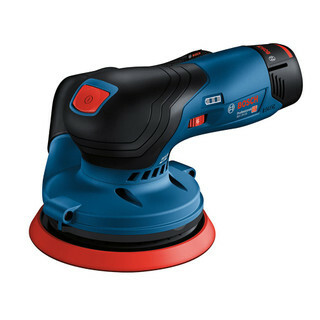
2. Random Orbital Sanders
These combine circular movement with orbital action, which helps avoid obvious sanding marks. That makes them the go-to Bosch professional sander style for timber finishing, painted joinery and cleaner visible work.
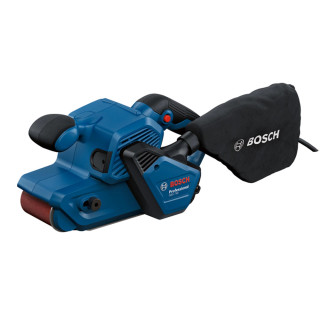
3. Belt Sanders
These are for shifting material quickly on bigger surfaces and rougher jobs. They are not your finishing tool, but if you need to flatten, strip or bring a surface down fast, this is the one that gets on with it.
Bosch Sander Accessories That Keep You Working
The right consumables and dust kit make more difference than most people admit, especially when you are chasing a clean finish on site.
1. Bosch Sanding Pads & Sheets
Get the grit right for the stage of the job or you will either clog paper straight away or leave scratches you are still trying to lose at paint stage. Keeping a proper spread of Bosch Sanding Pads & Sheets on the van saves those wasted runs and bodged finishes.
2. Bosch Sanding Discs
For random orbital work, fresh Bosch Sanding Discs stop you pressing harder than you should just because the abrasive is spent. That means quicker cutting, less heat and a tidier finish on timber, paint and fillers.
3. Bosch Sanding Sheets
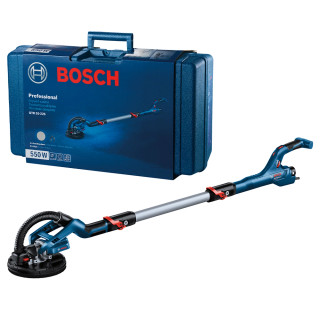
If you are running sheet sanders for decorating and prep, Bosch Sanding Sheets are the obvious spare to keep stocked. Running blunt sheets is false economy and usually ends with extra passes and more mess.
4. Bosch Dust Extractors & Vacuums
Hooking up Bosch Dust Extractors & Vacuums is the difference between controlled sanding and filling the room with fine dust. You will see the surface better, keep abrasives working longer and spend less time cleaning up after yourself.
Choose the Right Bosch Sander for the Job
Use this quick guide to sort the right Bosch sander for the finish and workload.
| Your Job | Bosch Sander Type | Key Features |
|---|---|---|
| Prepping filler and painted woodwork before decorating | Orbital sander | Flat sanding action, easy control, good for sheets and general prep |
| Finishing doors, panels and visible timber | Random orbital sander | Cleaner scratch pattern, better finish, solid all round choice for joinery |
| Snagging and room to room work without trailing leads | Bosch cordless sander | 18V convenience, quick grab use, ideal if you already run Bosch batteries |
| Long bench work or repeated sanding through the day | Corded sander | Steady power, no battery downtime, better for continuous use |
| Fast stock removal on rough timber or larger flat surfaces | Belt sander | Aggressive material removal, larger contact area, best for flattening and stripping |
Common Buying and Usage Mistakes
- Buying a belt sander for finish work is a common one. It removes material quickly, but it is easy to leave the surface needing more remedial work afterwards, so keep it for rougher stock removal.
- Using the wrong grit wastes time both ways. Too coarse and you leave scratches that show through paint or lacquer, too fine and you stand there all day wondering why nothing is shifting.
- Pressing down harder when the abrasive is worn just overheats the pad and makes the finish worse. Change the sheet or disc and let the machine do the work properly.
- Ignoring dust extraction is false economy, especially indoors. Fine dust clogs abrasives, hides the surface and leaves a bigger clean-up job than the sanding itself.
- Choosing cordless for constant bench work without spare batteries can slow the whole day down. If it is a full shift of sanding, plan runtime properly or go corded.
Orbital vs Random Orbit vs Belt Sanders
Orbital Sanders
Best for general prep, decorating and flat sanding where control matters. They are easy to handle and straightforward for filler, paint prep and woodwork, but they are not the quickest at heavy removal.
Random Orbit Sanders
This is the best all-rounder for most trades. You get decent material removal with a cleaner finish, which is why joiners, fitters and decorators use them for visible surfaces and day to day finishing work.
Belt Sanders
These are for flattening, stripping and taking material off fast on larger surfaces. Great when you need to shift stock quickly, but too aggressive for finer finishing unless you know exactly what you are doing.
Maintenance and Care
Clear Dust After Every Job
Empty the dust bag or collection box and brush off vents after use. Fine sanding dust gets everywhere, and if it builds up, the tool runs hotter and collection gets worse.
Change Worn Abrasives Early
Do not run discs or sheets into the ground. Once the cut drops off, you start leaning on the machine, which slows the work and puts more strain on the pad and motor.
Check the Backing Pad
If the hook and loop backing is clogged or worn, discs will not hold properly and the finish can suffer. Replace tired pads before they start costing you time and accuracy.
Store It Clean and Dry
Chuck it back in the van covered in dust and damp and you are asking for shorter tool life. Keep sanders dry, keep abrasives flat, and do not leave batteries rolling around loose.
Use PPE for Fine Dust
Even with extraction, sanding dust is not something to breathe in all day. Keep proper Masks, Face Sheilds & Respirators in the kit, especially when you are working in enclosed rooms or sanding old coatings.
Why Shop for Bosch Sanders at ITS?
Whether you need a Bosch cordless sander for snagging, a Bosch random orbital sander for joinery, or a trade sander for decorating prep, we stock the full range. That includes the key Bosch power tools, sanding consumables and dust control kit, all in our own warehouse and ready for next day delivery.
Bosch Sanders FAQs
Which Bosch sander is best for decorating and carpentry?
For decorating, an orbital sander is usually the sensible pick for filler, painted woodwork and general prep. For carpentry and cleaner visible finishes on timber, a Bosch random orbital sander is normally the better all-round choice because it leaves a neater surface with less obvious sanding marks.
What is the difference between orbital, random orbit and belt sanders?
Orbital sanders are mainly for controlled prep and flat surface work. Random orbit sanders give you a better finish and are the best all-round option for most timber and paint prep. Belt sanders are for fast stock removal and rougher work, not the final finish unless you are stepping down through the grits carefully.
Are Bosch sanders suitable for dust extraction?
Yes, many Bosch sanders are built to work with dust bags, onboard collection or extraction hookups. For indoor jobs and finish work, proper extraction makes a big difference because you can see the surface better, keep the abrasive cutting and avoid coating the room in fine dust.
Should I choose a cordless or corded Bosch sander?
Go cordless if you are moving room to room, doing snagging or already running Bosch 18V batteries. Go corded if the sander is going to be in your hand for long runs at a bench or on repeated prep jobs, because constant power still wins for uninterrupted sanding.
Will a Bosch cordless sander last through a full day on site?
It will for lighter snagging and intermittent use, but be honest about the workload. If you are sanding heavily for most of the day, you will want spare batteries on charge or you are better off with corded kit for that job.
Do I need different abrasives for timber, filler and paint prep?
Yes. Using one grit for everything is how you waste time and spoil finishes. Coarser grits help remove material quickly, while finer grits are what you need for final prep on timber, filler and painted surfaces before coating.