


Bosch Batteries, Chargers and Mounts Bosch Batteries, Chargers and Mounts

Bosch Batteries, Chargers and Mounts

Bosch batteries and chargers keep your cordless kit running properly, whether you're on first fix, snagging, or pushing through full shifts on site.

If your tools are solid but your runtime is poor, this is where you sort it. Bosch professional batteries cover light 12V jobs right up to hard-working 18V kit, and a proper Bosch power tool battery charger keeps turnaround quick without cooking packs. You can shop Bosch Batteries, Bosch Chargers, and the wider Bosch Power Tools range to match what's already in your van.

What Are Bosch Batteries and Chargers Used For?

  • Keeping cordless drills, impact drivers, saws and lights running through full site shifts without waiting about for one flat pack to recover.
  • Swapping fresh Bosch cordless batteries into high-draw tools when you're drilling fixings, cutting stud, or chasing through repeated jobs all day.
  • Charging spare packs back at the van, workshop, or site cabin so the next battery is ready before the one in hand gives up.
  • Matching Bosch 12V batteries to smaller installation and service work where size matters more than outright runtime.
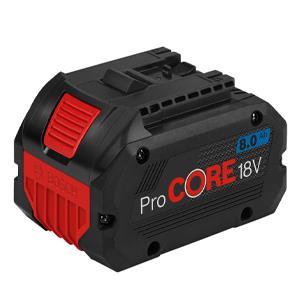
  • Using Bosch 18V batteries and Bosch ProCORE batteries on heavier tools where longer runtime and stronger output make a real difference.

Choosing the Right Bosch Batteries and Chargers

Sorting the right setup is simple: match the battery and charger to the tools you actually use, not the deal that looks cheapest.

1. 12V or 18V Platform

If your work is mostly service, fitting and overhead jobs, Bosch 12V batteries keep weight down and fit into tighter spots. If you are drilling masonry, cutting timber or using bigger site tools daily, stick with Bosch 18V batteries because the extra output and runtime are what the job needs.

2. Ah Rating and Runtime

If you only grab the tool for short bursts, smaller packs are easier to carry and quicker to charge. If the tool stays in your hand all morning, buy more amp hours and save yourself the constant battery shuffle.

3. Standard Packs or ProCORE

If you are running grinders, bigger SDS drills or saws, Bosch ProCORE batteries are worth it because they hold output better under heavier load. For lighter drilling and fixing, standard Bosch batteries usually do the job without adding bulk.

4. Charger Speed

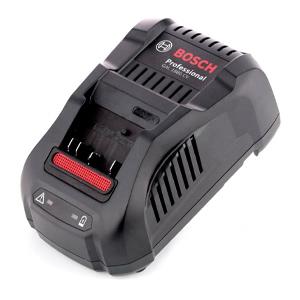
Do not ignore the charger. If you work off two or three packs and keep moving, a faster Bosch battery charger matters just as much as battery size. A slow charger is fine in a workshop, but it is a pain on live jobs when packs are getting hammered.

Who Uses These on Site?

  • Sparkies rely on them for keeping combi drills, impact drivers and lights going through first fix and board changes, especially when they are moving room to room with no easy power.
  • Chippies keep spare packs ready for saws, drills and nailers so they are not stuck waiting on charge halfway through flooring, studwork or kitchen fits.
  • Plumbers and heating engineers use Bosch professional batteries on compact 12V and stronger 18V tools depending on whether they are under sinks, in cupboards, or fixing into masonry.
  • Maintenance teams and snaggers swear by a decent Bosch charger because one fast turnaround pack is often the difference between finishing the callout or making a second trip.
  • Site managers and van-based trades usually keep extra packs on hand because dead batteries waste more time than most lads admit.

The Basics: Understanding Bosch Batteries and Chargers

The main thing to understand is platform, power draw and charge speed. Get those right and your tools stay productive instead of becoming dead weight by lunchtime.

1. Battery Platform

Bosch 12V and 18V batteries are separate systems built for different tools. The voltage tells you what platform the battery fits, so the first job is matching the pack to the tool range you already own.

2. Capacity and Runtime

Amp hours are about how long the battery keeps going before it needs charging. Higher Ah packs suit repeated drilling, cutting and grinding, while smaller packs make more sense on compact tools where weight and balance matter.

3. Charger Output

A Bosch power tool battery charger controls how quickly your pack gets back to usable charge. Faster chargers are better for busy site rotation, while standard chargers are fine if packs are left on charge between jobs.

Bosch Battery Accessories That Keep You Working

A few sensible extras save a lot of waiting about and stop your cordless kit grinding to a halt mid job.

1. Spare Battery Packs

A second or third pack is the obvious one, but plenty still try to get through the day on one battery. That is fine until you are up a ladder, under a floor, or halfway through a run of fixings and everything stops.

2. Fast Chargers

A faster charger saves you from hovering round the cabin waiting for enough charge to finish the last few cuts or holes. If your tools earn all day, this is not an extra, it is part of the setup.

3. Mounts and Storage

Battery mounts and proper storage stop packs getting battered loose in the van. It keeps your batteries organised, easier to grab, and less likely to end up damaged under a box of fixings.

Choose the Right Bosch Batteries and Chargers for the Job

Use this quick guide to match the battery setup to the sort of work you actually do.

Your Job Bosch Battery or Charger Type Key Features
Service work, cabinet fitting, light fixing and tight access jobs 12V batteries and compact charger Lower weight, smaller size, easier handling in awkward spaces
Daily drilling, driving and general first and second fix 18V batteries with a standard or fast charger Better runtime, broad tool compatibility, solid all round site use
High draw work with grinders, bigger saws and SDS tools ProCORE batteries Stronger output under load, longer runtime, better suited to tougher tools
Small battery rotation on busy jobs Fast Bosch charger Quicker turnaround, less downtime, more usable runtime across the day
Mixed fleet of compact and heavy cordless Bosch tools Separate 12V and 18V battery setup Right power for each tool, avoids mismatch and wasted spend

Common Buying and Usage Mistakes

  • Buying the wrong voltage platform is the big one. Bosch 12V and 18V batteries are not interchangeable, so always match the pack to the tool range before you order.
  • Going too small on battery capacity to save a few quid usually backfires. On saws, grinders and SDS drills, undersized packs mean short runtime, more charging and more frustration.
  • Ignoring charger speed catches a lot of lads out. A decent battery is wasted if the charger cannot turn packs around quickly enough for the pace of the job.
  • Leaving batteries loose in the van shortens their life fast. Packs get knocked about, contacts get dirty, and you end up blaming the tool when the battery is the real problem.
  • Running one tired old pack alongside new ones throws the whole setup off. If a battery is dropping charge badly or struggling under load, replace it before it slows the rest of your day down.

12V Batteries vs 18V Batteries vs ProCORE Batteries

12V Batteries

Best for compact tools, overhead work and jobs in tight spots. They are lighter and easier to handle, but they are not the choice for long heavy drilling or cutting sessions.

18V Batteries

This is the all round site platform for most trades. They suit combi drills, impacts, saws and plenty of day to day work, giving a better balance of power, runtime and size.

ProCORE Batteries

These are the better option when tools pull harder and stay under load. If you are using grinders, bigger saws or heavier Bosch cordless kit all day, ProCORE packs make more sense than standard batteries.

Maintenance and Care

Keep Contacts Clean

Dust and site muck on the battery or charger terminals can cause poor connection and patchy charging. Give them a quick wipe now and then instead of letting grime build up.

Store Them Properly

Do not leave packs rolling about in the van or sitting in damp corners. Dry, organised storage helps prevent damaged casings, dirty contacts and needless battery failures.

Avoid Excess Heat and Cold

Batteries do not like being cooked in a hot van or left freezing overnight if you can help it. Big temperature swings shorten life and can affect how well the pack charges and performs.

Watch for Tired Packs

If a battery drops off much faster than the others or struggles under normal load, it is usually on the way out. Replace it before it starts wasting time on site.

Use the Right Charger

A proper Bosch charger matched to the battery platform gives the pack the best chance of a long working life. Wrong or unsuitable charging is asking for poor performance and early failure.

Why Shop for Bosch Batteries and Chargers at ITS?

Whether you need compact packs for service work, bigger Bosch 18V batteries for daily site use, or a Bosch battery charger to keep everything turning over, we stock the full range. That includes Bosch 18V Batteries and Bosch 12V Batteries, all held in our own warehouse and ready for next day delivery.

Bosch Batteries and Chargers FAQs

Which Bosch batteries and chargers do I need?

Start with the tool platform you already own. If your tools are Bosch 12V, you need 12V batteries and a compatible 12V charger. If they are Bosch 18V, stick with 18V packs and chargers. Then choose battery size based on workload. Smaller packs suit lighter fitting and service work, while larger or ProCORE packs make more sense for drills, saws and grinders that stay under load.

Are Bosch chargers compatible with all Bosch Professional batteries?

Not all of them, no. You need to check the charger matches the Bosch Professional platform and voltage of the battery you are using. Some chargers cover a wider range within Bosch Professional, but 12V and 18V compatibility should never be assumed. Always check the product details before ordering, especially if you run mixed Bosch kits.

What is the difference between Bosch 12V and 18V batteries?

Bosch 12V batteries are for smaller, lighter tools where access, balance and lower weight matter most. Bosch 18V batteries are built for more demanding cordless tools and longer site use. In simple terms, 12V is the compact option for lighter work, while 18V is the main site platform for stronger output and longer runtime.

How long do Bosch batteries take to charge?

It depends on the battery size and the charger you are using. Smaller packs on faster chargers can be turned around fairly quickly, while larger 18V or ProCORE batteries will take longer. The honest answer is that charger choice matters just as much as battery size, so if downtime hurts your day, buy the faster charger rather than hoping a standard one will keep up.

Are Bosch ProCORE batteries worth it for normal site work?

Yes, if your tools draw hard and stay working for long spells. On grinders, bigger saws and heavier drilling, ProCORE packs usually hold performance better than standard batteries. If your work is mostly light fixing and short bursts, standard packs are often enough and save a bit of weight.

Do Bosch batteries lose performance if they live in the van?

They can do, especially if the van gets very hot in summer or freezing cold in winter. The batteries are tough, but constant temperature extremes are hard on them. If you want them to last, do not leave them loose in the van for weeks getting battered and cooked.
Read more

Bosch Batteries, Chargers and Mounts

Bosch batteries and chargers keep your cordless kit running properly, whether you're on first fix, snagging, or pushing through full shifts on site.

If your tools are solid but your runtime is poor, this is where you sort it. Bosch professional batteries cover light 12V jobs right up to hard-working 18V kit, and a proper Bosch power tool battery charger keeps turnaround quick without cooking packs. You can shop Bosch Batteries, Bosch Chargers, and the wider Bosch Power Tools range to match what's already in your van.

What Are Bosch Batteries and Chargers Used For?

  • Keeping cordless drills, impact drivers, saws and lights running through full site shifts without waiting about for one flat pack to recover.
  • Swapping fresh Bosch cordless batteries into high-draw tools when you're drilling fixings, cutting stud, or chasing through repeated jobs all day.
  • Charging spare packs back at the van, workshop, or site cabin so the next battery is ready before the one in hand gives up.
  • Matching Bosch 12V batteries to smaller installation and service work where size matters more than outright runtime.
  • Using Bosch 18V batteries and Bosch ProCORE batteries on heavier tools where longer runtime and stronger output make a real difference.

Choosing the Right Bosch Batteries and Chargers

Sorting the right setup is simple: match the battery and charger to the tools you actually use, not the deal that looks cheapest.

1. 12V or 18V Platform

If your work is mostly service, fitting and overhead jobs, Bosch 12V batteries keep weight down and fit into tighter spots. If you are drilling masonry, cutting timber or using bigger site tools daily, stick with Bosch 18V batteries because the extra output and runtime are what the job needs.

2. Ah Rating and Runtime

If you only grab the tool for short bursts, smaller packs are easier to carry and quicker to charge. If the tool stays in your hand all morning, buy more amp hours and save yourself the constant battery shuffle.

3. Standard Packs or ProCORE

If you are running grinders, bigger SDS drills or saws, Bosch ProCORE batteries are worth it because they hold output better under heavier load. For lighter drilling and fixing, standard Bosch batteries usually do the job without adding bulk.

4. Charger Speed

Do not ignore the charger. If you work off two or three packs and keep moving, a faster Bosch battery charger matters just as much as battery size. A slow charger is fine in a workshop, but it is a pain on live jobs when packs are getting hammered.

Who Uses These on Site?

  • Sparkies rely on them for keeping combi drills, impact drivers and lights going through first fix and board changes, especially when they are moving room to room with no easy power.
  • Chippies keep spare packs ready for saws, drills and nailers so they are not stuck waiting on charge halfway through flooring, studwork or kitchen fits.
  • Plumbers and heating engineers use Bosch professional batteries on compact 12V and stronger 18V tools depending on whether they are under sinks, in cupboards, or fixing into masonry.
  • Maintenance teams and snaggers swear by a decent Bosch charger because one fast turnaround pack is often the difference between finishing the callout or making a second trip.
  • Site managers and van-based trades usually keep extra packs on hand because dead batteries waste more time than most lads admit.

The Basics: Understanding Bosch Batteries and Chargers

The main thing to understand is platform, power draw and charge speed. Get those right and your tools stay productive instead of becoming dead weight by lunchtime.

1. Battery Platform

Bosch 12V and 18V batteries are separate systems built for different tools. The voltage tells you what platform the battery fits, so the first job is matching the pack to the tool range you already own.

2. Capacity and Runtime

Amp hours are about how long the battery keeps going before it needs charging. Higher Ah packs suit repeated drilling, cutting and grinding, while smaller packs make more sense on compact tools where weight and balance matter.

3. Charger Output

A Bosch power tool battery charger controls how quickly your pack gets back to usable charge. Faster chargers are better for busy site rotation, while standard chargers are fine if packs are left on charge between jobs.

Bosch Battery Accessories That Keep You Working

A few sensible extras save a lot of waiting about and stop your cordless kit grinding to a halt mid job.

1. Spare Battery Packs

A second or third pack is the obvious one, but plenty still try to get through the day on one battery. That is fine until you are up a ladder, under a floor, or halfway through a run of fixings and everything stops.

2. Fast Chargers

A faster charger saves you from hovering round the cabin waiting for enough charge to finish the last few cuts or holes. If your tools earn all day, this is not an extra, it is part of the setup.

3. Mounts and Storage

Battery mounts and proper storage stop packs getting battered loose in the van. It keeps your batteries organised, easier to grab, and less likely to end up damaged under a box of fixings.

Choose the Right Bosch Batteries and Chargers for the Job

Use this quick guide to match the battery setup to the sort of work you actually do.

Your Job Bosch Battery or Charger Type Key Features
Service work, cabinet fitting, light fixing and tight access jobs 12V batteries and compact charger Lower weight, smaller size, easier handling in awkward spaces
Daily drilling, driving and general first and second fix 18V batteries with a standard or fast charger Better runtime, broad tool compatibility, solid all round site use
High draw work with grinders, bigger saws and SDS tools ProCORE batteries Stronger output under load, longer runtime, better suited to tougher tools
Small battery rotation on busy jobs Fast Bosch charger Quicker turnaround, less downtime, more usable runtime across the day
Mixed fleet of compact and heavy cordless Bosch tools Separate 12V and 18V battery setup Right power for each tool, avoids mismatch and wasted spend

Common Buying and Usage Mistakes

  • Buying the wrong voltage platform is the big one. Bosch 12V and 18V batteries are not interchangeable, so always match the pack to the tool range before you order.
  • Going too small on battery capacity to save a few quid usually backfires. On saws, grinders and SDS drills, undersized packs mean short runtime, more charging and more frustration.
  • Ignoring charger speed catches a lot of lads out. A decent battery is wasted if the charger cannot turn packs around quickly enough for the pace of the job.
  • Leaving batteries loose in the van shortens their life fast. Packs get knocked about, contacts get dirty, and you end up blaming the tool when the battery is the real problem.
  • Running one tired old pack alongside new ones throws the whole setup off. If a battery is dropping charge badly or struggling under load, replace it before it slows the rest of your day down.

12V Batteries vs 18V Batteries vs ProCORE Batteries

12V Batteries

Best for compact tools, overhead work and jobs in tight spots. They are lighter and easier to handle, but they are not the choice for long heavy drilling or cutting sessions.

18V Batteries

This is the all round site platform for most trades. They suit combi drills, impacts, saws and plenty of day to day work, giving a better balance of power, runtime and size.

ProCORE Batteries

These are the better option when tools pull harder and stay under load. If you are using grinders, bigger saws or heavier Bosch cordless kit all day, ProCORE packs make more sense than standard batteries.

Maintenance and Care

Keep Contacts Clean

Dust and site muck on the battery or charger terminals can cause poor connection and patchy charging. Give them a quick wipe now and then instead of letting grime build up.

Store Them Properly

Do not leave packs rolling about in the van or sitting in damp corners. Dry, organised storage helps prevent damaged casings, dirty contacts and needless battery failures.

Avoid Excess Heat and Cold

Batteries do not like being cooked in a hot van or left freezing overnight if you can help it. Big temperature swings shorten life and can affect how well the pack charges and performs.

Watch for Tired Packs

If a battery drops off much faster than the others or struggles under normal load, it is usually on the way out. Replace it before it starts wasting time on site.

Use the Right Charger

A proper Bosch charger matched to the battery platform gives the pack the best chance of a long working life. Wrong or unsuitable charging is asking for poor performance and early failure.

Why Shop for Bosch Batteries and Chargers at ITS?

Whether you need compact packs for service work, bigger Bosch 18V batteries for daily site use, or a Bosch battery charger to keep everything turning over, we stock the full range. That includes Bosch 18V Batteries and Bosch 12V Batteries, all held in our own warehouse and ready for next day delivery.

Bosch Batteries and Chargers FAQs

Which Bosch batteries and chargers do I need?

Start with the tool platform you already own. If your tools are Bosch 12V, you need 12V batteries and a compatible 12V charger. If they are Bosch 18V, stick with 18V packs and chargers. Then choose battery size based on workload. Smaller packs suit lighter fitting and service work, while larger or ProCORE packs make more sense for drills, saws and grinders that stay under load.

Are Bosch chargers compatible with all Bosch Professional batteries?

Not all of them, no. You need to check the charger matches the Bosch Professional platform and voltage of the battery you are using. Some chargers cover a wider range within Bosch Professional, but 12V and 18V compatibility should never be assumed. Always check the product details before ordering, especially if you run mixed Bosch kits.

What is the difference between Bosch 12V and 18V batteries?

Bosch 12V batteries are for smaller, lighter tools where access, balance and lower weight matter most. Bosch 18V batteries are built for more demanding cordless tools and longer site use. In simple terms, 12V is the compact option for lighter work, while 18V is the main site platform for stronger output and longer runtime.

How long do Bosch batteries take to charge?

It depends on the battery size and the charger you are using. Smaller packs on faster chargers can be turned around fairly quickly, while larger 18V or ProCORE batteries will take longer. The honest answer is that charger choice matters just as much as battery size, so if downtime hurts your day, buy the faster charger rather than hoping a standard one will keep up.

Are Bosch ProCORE batteries worth it for normal site work?

Yes, if your tools draw hard and stay working for long spells. On grinders, bigger saws and heavier drilling, ProCORE packs usually hold performance better than standard batteries. If your work is mostly light fixing and short bursts, standard packs are often enough and save a bit of weight.

Do Bosch batteries lose performance if they live in the van?

They can do, especially if the van gets very hot in summer or freezing cold in winter. The batteries are tough, but constant temperature extremes are hard on them. If you want them to last, do not leave them loose in the van for weeks getting battered and cooked.

ITS Click and Collect Icon
What3Words:
Get Directions
Store Opening Hours
Opening times