




Bosch Power Tools
Bosch power tools are built for proper trade work, from first fix drilling and cutting to snagging, install work, and day to day site graft.
If you're buying Bosch professional power tools, stick with the blue kit made for site use, not the green DIY stuff. Bosch cordless power tools are a safe bet when you want solid ergonomics, dependable motors, and batteries that carry across the range. From Bosch 18v tools for heavier drilling, cutting and grinding to Bosch 12v tools for tighter cupboards and overhead jobs, this is kit used by sparks, plumbers, chippies and fitters who need tools that earn their place in the van. If you already know the jobs you do most, match the platform to that work and get the right Bosch tools UK trades actually rely on.
What Jobs Are Bosch Power Tools Best At?
- Drilling fixing holes through masonry, timber and steel is where Bosch drills and drivers earn their keep, whether you are on first fix cable runs, kitchen fitting or general site install work.
- Cutting sheet, timber, pipe and finish materials is straightforward with Bosch saws, especially when you need clean, repeatable cuts on refurbs, second fix and workshop prep.
- Grinding back welds, trimming metal, chasing out small sections and cleaning up rough edges suits Bosch grinders when the job needs control without dragging a cord round site.
- Working in service voids, lofts, cupboards and plant rooms is exactly where Bosch 12v tools come into their own, giving you lighter kit for awkward access and overhead fixing.
- Handling regular site drilling, hole cutting and heavier fastening is what Bosch 18v tools are built for, especially when lighter DIY-grade machines would soon get shown up.
Choosing the Right Bosch Power Tools
Sorting the right Bosch power tools is simple: buy for the work you do every week, not the one big job you might do twice a year.
1. 12V or 18V
If you spend your time in cupboards, above your head, or doing lots of repetitive fixing, Bosch 12v tools make more sense because they are lighter and easier on your wrist. If you are drilling masonry, driving larger fixings, cutting timber or running grinders, go straight to Bosch 18v tools.
2. Blue Trade Range or Green DIY Range
For site use, van use and regular graft, stick with Bosch Professional blue tools. The green range is fine for occasional home jobs, but if you are earning with it five or six days a week, buy the blue kit and be done with it.
3. Drill Driver, Combi or Impact
If you mainly drill timber, metal and pilot holes, a standard drill driver is usually enough. If you are regularly into masonry, choose a combi. If you spend your day driving fixings, coach screws or long structural screws, add an impact driver instead of forcing one tool to do all of it badly.
4. Bare Tool or Full Kit
If you are already on Bosch cordless power tools, buying body only saves money. If this is your first step into the platform, get the batteries and charger sorted properly from the start so you are not stuck sharing one pack between three tools.
Who Uses These on Site?
- Sparkies use Bosch power tools for drilling cable routes, fixing tray, fitting back boxes and working overhead, because the 12v and 18v range covers both light install work and tougher daily site jobs.
- Plumbers reach for Bosch drills, grinders and saws when they are cutting pipe, fixing clips, notching timber and working in tight airing cupboards where bulkier tools just get in the way.
- Chippies and kitchen fitters rely on Bosch professional power tools for accurate cutting, hinge work, cabinet fitting and snagging, especially when they need clean results without fighting the tool.
- Maintenance teams and site fitters keep Bosch cordless power tools close because one battery platform can cover day to day repairs, plant room work, fixings and quick call-out jobs.
- General builders and refurb crews buy Bosch blue tools when they want trade power tools that can move from rough first fix into final install without swapping into a different system.
The Basics: Understanding Bosch Cordless Platforms
The main thing to understand is not the badge on the side but the battery platform underneath it. Get that right and your Bosch power tools work as a proper system instead of a pile of separate purchases.
1. Bosch 12V for Light and Tight Work
This is the range for lighter fixing, panel work, control gear, smaller screws and awkward access. It keeps weight down when you are working overhead or in tight spaces, which matters more than raw power on long install days.
2. Bosch 18V for Main Site Jobs
This is the platform most trades lean on for day to day drilling, cutting, grinding and fastening. If the tool is going to be your first grab from the van most mornings, 18V is usually where you should be looking.
3. One Battery System Saves Hassle
When your drills, saws and grinders share batteries and chargers, you carry less, spend less and waste less time on site. That is why most buyers start with the core tools they use most, then add to the same platform as the jobs demand it.
Bosch Accessories That Keep You Working
The right extras stop downtime, keep cuts cleaner and save you having to make do with the wrong setup halfway through a job.
1. Spare Batteries and Chargers
A second or third battery is a no-brainer if you are running Bosch 18v tools all day. Have a look at Bosch Batteries, Chargers and Mounts so you are not waiting on one flat pack while the rest of the kit sits idle.
2. Blades, Bits and Cutting Consumables
Good tools still work badly with worn or wrong consumables. Keep the job moving with the right fitments from Bosch Power Tool Accessories, especially if you are swapping between timber, metal and masonry in the same day.
3. Stackable Storage
Loose tools rolling round the van soon end up damaged, filthy or missing parts. Bosch Tool Storage keeps batteries, bodies and accessories together so you are not hunting for chargers and blades before you even start.
Choose the Right Bosch Power Tools for the Job
Use this quick guide to match the tool type and platform to the work in front of you.
| Your Job | Bosch Category or Type | Key Features |
|---|---|---|
| Daily drilling and fixing on first fix and second fix | Bosch Drills and Drivers | Choose 18V for masonry and bigger fixings, or 12V for lighter repetitive install work and tighter spaces. |
| Cutting timber, sheet material, flooring or trim | Bosch Saws | Pick the saw to suit the cut, with cordless options that keep you mobile round site and off trailing leads. |
| Grinding metal, trimming bolts and general clean-up work | Bosch Grinders | Go 18V if you need proper site mobility, and check disc size and body grip before buying for all-day use. |
| Working in cupboards, lofts and awkward service runs | Bosch 12V Tools | Lighter bodies, easier overhead handling and better access where a full-size tool just gets in the way. |
| One platform for heavier day to day trade work | Bosch 18V Tools | Best for general trade use where you need stronger drilling, cutting and runtime across multiple tools. |
Common Buying and Usage Mistakes
- Buying Bosch green DIY tools for daily site use is the usual false economy. They are not the same as Bosch Professional blue tools, and regular trade work soon shows up the difference in durability and spec.
- Choosing 12V because it is cheaper or lighter, then expecting it to handle heavier masonry drilling and bigger fixings, just slows the job down. Use 12V for access and light install work, and 18V for your main graft.
- Starting a cordless setup with one battery and one charger sounds manageable until both are flat by mid-morning. If the tool is earning money, buy enough runtime from day one.
- Using tired blades, cheap discs or the wrong bits makes even decent Bosch tools feel poor. Most cutting and drilling problems come from worn accessories before they come from the machine itself.
- Picking a combi drill to do every job on site is another common one. For lots of screwdriving, an impact driver saves your wrist and gets fixings in cleaner with less strain on the drill.
Bosch 12V vs Bosch 18V vs Bosch Green DIY
Bosch 12V
Best for lighter install work, overhead fixing, smaller screws and tight access. Buy this if compact size matters more than outright power and you spend your days in cupboards, panels, voids or service runs.
Bosch 18V
This is the main trade platform for most users. It suits regular drilling, cutting, grinding and fastening on site, with more punch and better all-round capability when one tool has to cover harder daily work.
Bosch Green DIY
Fine for occasional home use, light jobs and weekend projects, but not the one to back for daily trade use. If the tool is living in the van and coming out every day, go blue and avoid buying twice.
Maintenance and Care
Clean Vents and Bodies
Brush or blow dust out of the vents after dirty jobs, especially after MDF, plaster or masonry work. Letting fine dust sit in the motor housing is a good way to shorten tool life.
Look After Batteries Properly
Do not leave packs flat for weeks in the van, and do not cook them on dashboards in summer. Charge them, store them dry, and rotate them so one battery is not doing all the work.
Replace Worn Consumables Early
Blunt blades, glazed discs and tired bits make the motor work harder and the finish worse. If the tool starts fighting the material, check the accessory before blaming the machine.
Store It Like Site Kit
Keep Bosch tools dry, boxed and not buried loose under fixings and pipe fittings. Proper storage cuts down cracked casings, bent chucks, lost chargers and damaged battery terminals.
Repair or Replace Honestly
If a switch, chuck or guard is worn, sort it before it becomes a bigger failure on site. If the tool is spending more time being nursed than used, it is usually cheaper to replace it and move on.
Why Shop for Bosch Power Tools at ITS?
Whether you need Bosch drills, Bosch saws, Bosch grinders, Bosch 12v tools or Bosch 18v tools, we stock the full Bosch professional power tools range in one place. It is all in our own warehouse, ready for next day delivery, so you can get the right Bosch blue tools on site without hanging about.
Bosch Power Tools FAQs
Are Bosch power tools good for trade use?
Yes, the Bosch Professional blue range is built for proper trade use. It is the range most site users want, with better durability, stronger specs and a cordless platform that makes sense for daily work rather than occasional DIY jobs.
What is the difference between Bosch Professional blue and Bosch DIY green tools?
The blue range is Bosch Professional and that is the one aimed at trades. The green range is more for home and occasional use. If your tools are going in the van, getting used all week and expected to cope with site abuse, blue is the right call.
Which Bosch cordless platform should I choose?
Pick Bosch 12V if you do lighter fixing, overhead work and awkward access jobs. Pick Bosch 18V if you need your tools for the main bulk of site work like masonry drilling, cutting, grinding and heavier fastening. Most trades end up using 18V as the core platform and adding 12V for tighter jobs.
Are Bosch power tools suitable for electricians, plumbers and carpenters?
Yes. Electricians like the lighter Bosch 12V kit for panels, clips and overhead work, plumbers use the range for pipe fixing and install jobs, and carpenters rely on Bosch saws and drills for first fix, fitting and snagging. The range is broad enough to cover all three trades properly.
-
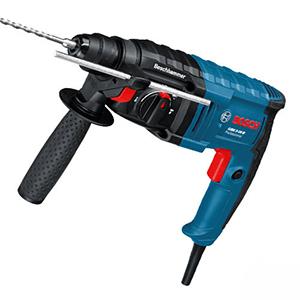
Bosch Drills and Drivers
-
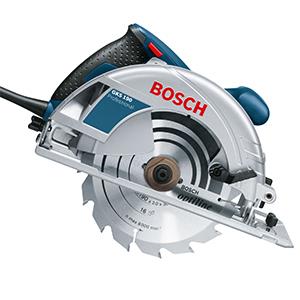
Bosch Saws
-
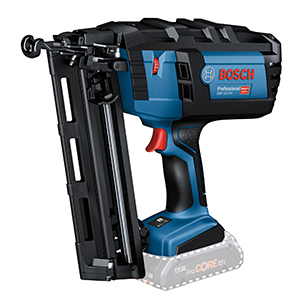
Bosch Nail Guns
-
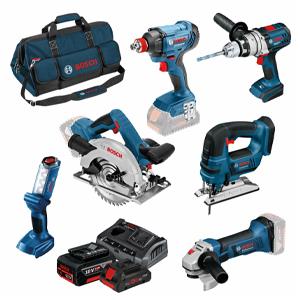
Bosch Cordless Kits
-
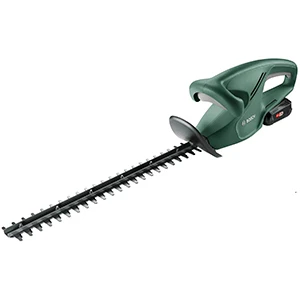
Bosch Garden Power Tools
-
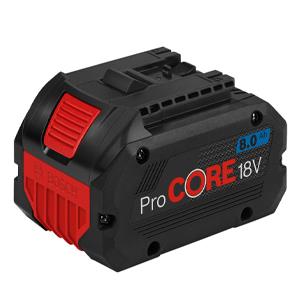
Bosch Batteries, Chargers and Mounts
-
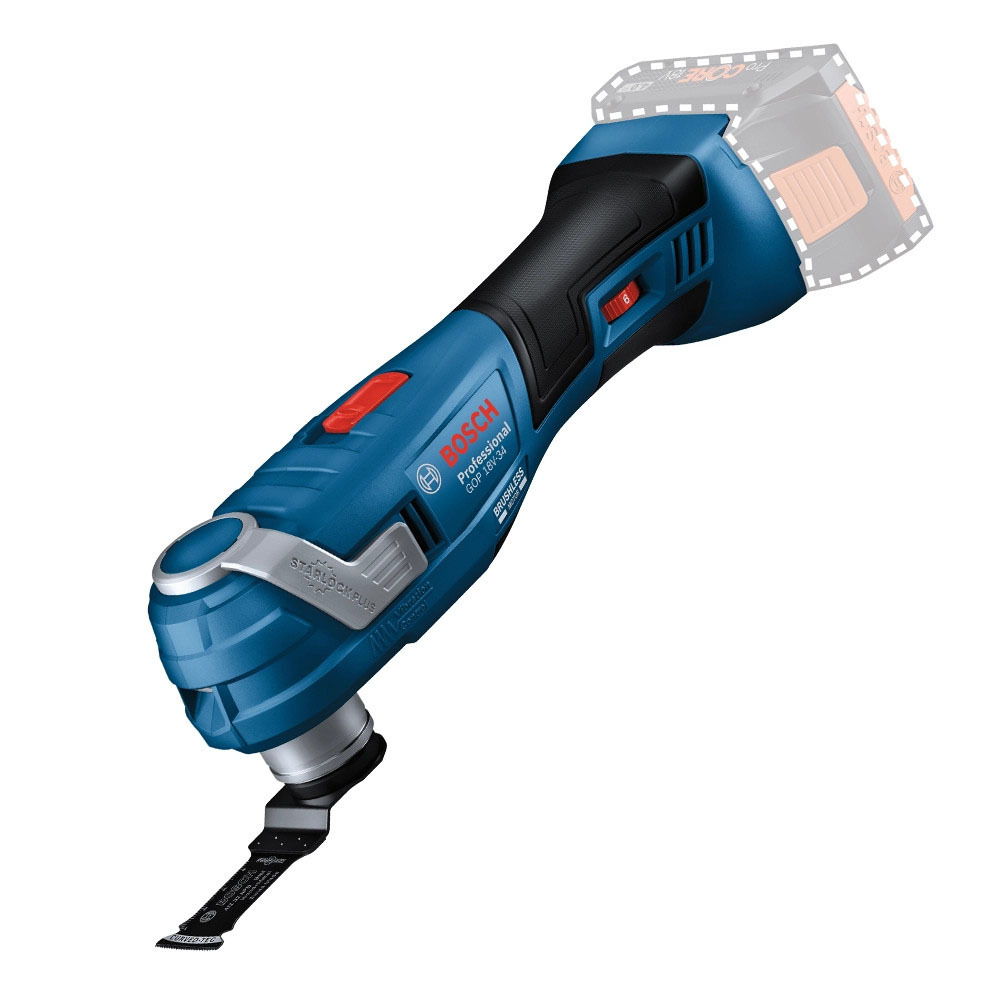
Bosch Multi Tools
-
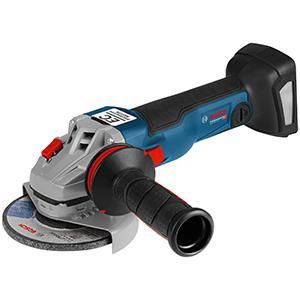
Bosch Angle Grinders
-
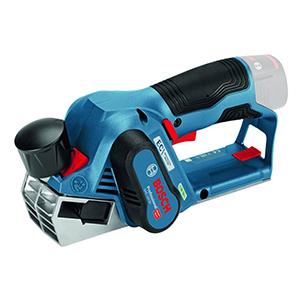
Bosch Planers
-
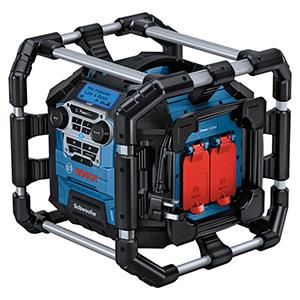
Bosch Radios
-
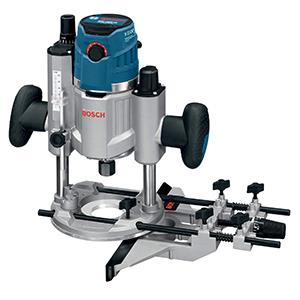
Bosch Routers & Trimmers
-
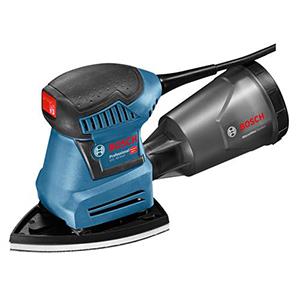
Bosch Sanders
-
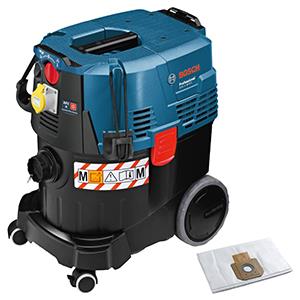
Bosch Dust Extractors & Vacuums
-
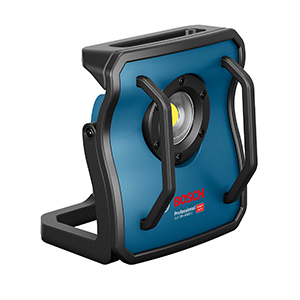
Bosch Torches & Lighting
-
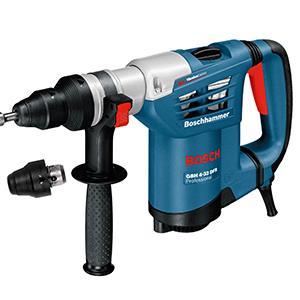
Bosch More Power Tools



