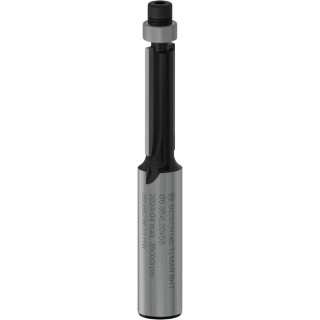
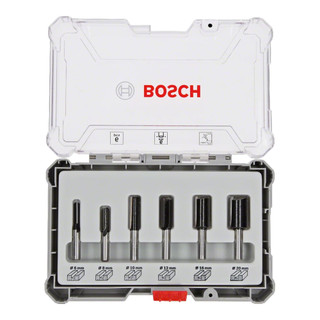
Bosch Router Bits
Bosch router bits are built for clean, accurate timber work, from trimming laminates to cutting joints, edging shelves and profiling hardwood on site.
If you're hanging doors, fitting kitchens or knocking up built-ins, decent cutters matter more than lads realise. Bosch professional router bits hold their edge, cut clean in MDF and hardwood, and save you burning timber or tearing out corners. From straight router bits to trimming router bits and rounding over bits, pick the profile to suit the job and get a cleaner finish first time.
What Are Bosch Router Bits Used For?
- Cutting grooves, housings and rebates in sheet material and solid timber, where straight router bits give you clean, repeatable channels for carcass work, shelving and joinery.
- Trimming laminate, veneer and worktop edges flush after fitting, where trimming router bits help you clean up overhang without hacking the finished face to bits.
- Rounding over exposed edges on shelves, window boards and bespoke joinery, so the finished piece feels right in the hand and looks properly finished instead of sharp and raw.
- Profiling decorative edges on doors, panels and furniture parts, where the right router cutters save time compared with sanding and hand-finishing every detail.
- Cleaning up template work and repeat parts in the workshop or on second fix, especially when paired with Bosch Routers & Trimmers for accurate, controlled passes.
Choosing the Right Bosch Router Bits
Sorting the right cutter is simple: match the bit shape to the finish you need, not just the hole it fits in.
1. Straight Bits for Grooves and Rebates
If you're cutting housings, trenches or rebates in MDF, ply or timber, start with straight router bits. They are the everyday choice for joinery and carcass work. If the job is mainly grooves and clean internal cuts, this is the one you will use most.
2. Flush Trim Bits for Cleaning Edges
If you're following a template or trimming laminate and lipping flush, go with trimming router bits or flush trim styles with a guide bearing. They keep the cut controlled. If you try doing this with the wrong bit, you will mark the face and spend the rest of the afternoon hiding it.
3. Roundover Bits for a Finished Edge
If the edge needs softening for shelves, sills or furniture parts, use rounding over bits. Pick the radius to suit the job. Small roundovers just take the sharpness off, while larger ones give a more obvious finished profile.
4. Shank Size and Material Matter
Check your router collet before you buy, because not every cutter fits every machine. Also be honest about what you cut. If you're mainly in hardwood, MDF and sheet goods all week, buy trade router bits that will hold an edge properly instead of cheap cutters that burn out early.
Who Uses These on Site?
- Chippies use Bosch router bits for first fix and second fix timber work, from housing out stringers and shelving to easing edges on window boards and stair parts.
- Kitchen fitters swear by them for trimming worktops, cleaning laminate edges and cutting neat rebates where rough cuts stand out straight away once the job is signed off.
- Joiners and workshop lads keep a bosch router bit set close for repeat profiling, template work and detail cuts where one blunt cutter can ruin an expensive board.
- Shopfitters and maintenance teams use bosch woodworking router bits for quick repairs, panel alterations and edge finishing when replacement parts need to look tidy and fit first time.
The Basics: Understanding Router Bits
The cutter shape decides the job outcome. Get that right and the router does the hard work. Get it wrong and you end up with burn marks, tear-out and extra sanding.
1. Straight Bits
These cut flat-bottomed grooves, dados and rebates. They are your standard choice for joinery, cabinet work and general cutting in boards and timber where you need a clean channel or shoulder.
2. Flush Trim and Trimming Bits
These use a guide bearing to follow an edge or template, so the cutter removes only the overhang. That makes them ideal for trimming laminates, worktop edging and repeat parts without guessing the line by eye.
3. Roundover and Profiling Bits
These shape the visible edge rather than just cutting a slot. They are what you use when the finished piece needs to look right and feel right, whether that is a simple eased edge or a more decorative profile.
Bosch Routing Accessories That Make the Job Easier
A good cutter is only half the story. The right add-ons keep cuts cleaner, safer and more accurate.
1. Guide Bushes and Fences
These save you from wandering cuts and wonky template work. If you're repeating hinge recesses, panel shapes or grooves, proper guidance stops you ruining good material on the last pass.
2. Router Tables and Inserts
For small sections, edge profiling and repeat work, a table setup gives you far better control than balancing everything by hand. Have a look at Bosch Router Tables & Accessories if the job is more workshop than one-off site trimming.
3. Dust Extraction
Get extraction on the router if you're cutting MDF or doing indoor fit-out. It saves you breathing the lot in and stops the cut line disappearing under dust. Pair up with Bosch Dust Extractors & Vacuums for cleaner work and less sweep-up.
4. Eye Protection
Router cutters throw chips fast, especially on edge work and brittle sheet material. Keep a pair of Safety Glasses on, because one bit of laminate in the eye will stop the job quicker than a blunt cutter.
Choose the Right Bosch Router Bits for the Job
Use this quick guide to match the cutter to the finish you need.
| Your Job | Category or Type | Key Features |
|---|---|---|
| Cutting grooves and housings in cabinets or shelving | Straight router bits | Flat-bottomed cuts, clean rebates, good control in MDF, ply and timber |
| Trimming laminate, edging or template work flush | Flush trim or trimming router bits | Guide bearing follows the edge, cleaner finish, less chance of overcutting |
| Softening sharp edges on shelves and joinery | Rounding over bits | Consistent edge radius, tidier finish, less sanding by hand |
| General workshop and site variety work | Bosch router bit set | Useful spread of common profiles, quicker setup, handy if jobs change day to day |
| Regular hardwood or heavy MDF cutting | Bosch professional router bits | Better edge retention, cleaner cut quality, built for repeated trade use |
Common Buying and Usage Mistakes
- Buying by diameter alone and ignoring the cutter profile is a classic mistake. A straight bit will not do the job of a flush trim or roundover bit, so match the shape to the cut you actually need.
- Forgetting to check the shank size wastes time and money. If the shank does not match your collet, it is no use to you, no matter how right the cutting profile looks.
- Trying to do all work in one heavy pass leads to burning, chatter and torn edges. Take steady passes and let the cutter do the work, especially in hardwood and veneered board.
- Running blunt or resin-covered router cutters ruins finish quality fast. Clean them down and replace worn bits before they start scorching the material and overloading the router.
- Skipping extraction and eye protection on MDF or laminate is asking for grief. Use dust control and proper protection so you can see the cut line and keep the job safe.
Straight Router Bits vs Flush Trim Bits vs Roundover Bits
Straight Router Bits
These are for grooves, trenches, rebates and general joinery cuts. Buy these if you are doing cabinet work, housings or shelf supports. They are not the right choice for following a template edge or creating a finished profile.
Flush Trim Bits
These are the ones for trimming one material exactly flush to another, usually with a bearing guiding the cut. Best for laminate edging, templates and repeat parts. They are not meant for cutting deep slots or shaping a rounded edge.
Roundover Bits
Use these when the edge is on show and needs softening or finishing. They suit shelves, sills, furniture parts and decorative joinery. They will not replace a straight cutter when the job calls for a groove or rebate.
Router Bit Sets
A set makes sense if your work changes daily and you need common profiles ready to go. If you mainly repeat one task, buying the exact cutter you use most is usually the better spend than a box full of bits that stay untouched.
Maintenance and Care
Clean Resin Off After Use
Pitch and resin build-up make cutters run hot and cut rough. Wipe bits down after heavy timber work so they stay sharp longer and do not start burning the edge.
Store Them So the Edges Do Not Knock Together
Loose router bits rolling around in a drawer soon chip. Keep them in their case or a proper holder, especially carbide-tipped cutters that lose performance once the edge is damaged.
Check Bearings Spin Freely
On trimming and profiling bits, the guide bearing needs to turn cleanly. If it sticks, it can mark the workpiece or drag the cut off line, so sort it before the next job.
Replace Blunt Cutters Early
If the bit starts scorching, chattering or tearing fibres instead of slicing cleanly, stop blaming the router. A blunt cutter costs more in wasted material than a replacement bit does.
Keep the Shank Clean Before Fitting
Dust and resin on the shank can affect how well the collet grips. A quick clean before fitting helps the bit seat properly and run truer under load.
Why Shop for Bosch Router Bits at ITS?
Whether you need a single trimming cutter, a straight bit for joinery work or a full bosch router bit set, we stock the range trades actually use. You will also find more in Bosch Power Tool Accessories. It is all in our own warehouse, in stock and ready for next day delivery when the job cannot wait.
Bosch Router Bit FAQs
Which Bosch router bit should I use for trimming or profiling?
For trimming laminate, edging or template work, use a flush trim or trimming bit with a guide bearing. For shaping a visible edge, use a profiling bit such as a roundover. The simple rule is trim bits follow an edge, while profiling bits create the finished shape.
Are Bosch router bits suitable for hardwood and MDF?
Yes, Bosch router bits are well suited to hardwood, softwood, MDF and sheet materials, provided you pick the right cutter and do not try to remove too much in one pass. In MDF especially, sharp cutters and extraction make a big difference to finish and tool life.
Do Bosch router bits fit all routers?
No, not automatically. You need to check the shank size against your router collet before buying. That is the bit most people miss. If the shank and collet do not match, the cutter is not safe or usable, even if the profile is right for the job.
What is the difference between straight, roundover and flush trim router bits?
Straight bits cut grooves, rebates and trenches. Roundover bits shape the edge into a smooth radius. Flush trim bits use a bearing to copy an edge or template so one surface finishes exactly flush with another. They all do different jobs, so one will not properly replace the others.
Will these stay sharp if I am using them most days on site?
Yes, if you use the right speed, take sensible passes and keep them clean. Bosch professional router bits are made for repeated trade use, but no cutter stays keen if it is overheated, clogged with resin or bounced around loose in the van.
Is it worth buying a Bosch router bit set, or should I just buy singles?
If your work varies between trimming, grooving and edge finishing, a set makes sense and keeps the common profiles ready to hand. If you mainly do one task, buying singles is usually smarter because you can put the money into the exact cutters you wear out most.