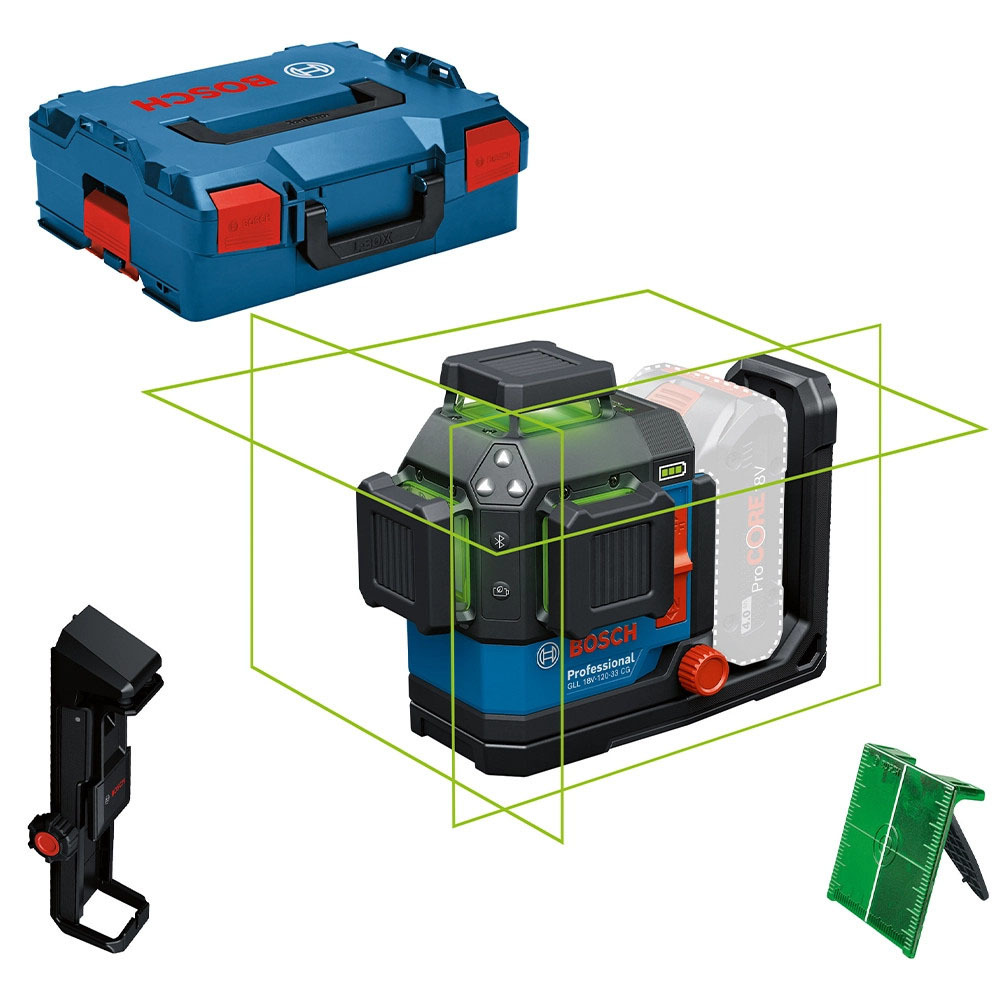
Bosch Lasers, Detectors & Digital Measures
Bosch laser levels and measures take the guesswork out of setting out, checking levels, and pulling accurate dimensions on busy site jobs.
When you're lining kitchens, setting stud, checking floors or pricing up a refurb, decent measuring kit saves time and arguments. Bosch measuring tools are built for trade use, with clear readouts, solid range and practical accuracy. You can browse Bosch Laser Levels, Bosch Digital Detectors, Sensors & Testing and more to get the right site measurement tools for the job.
What Are Bosch Laser Levels and Measures Used For?
- Setting out stud walls, ceiling runs and first fix lines is quicker with Bosch laser levels, especially when you need straight, repeatable reference lines across a full room.
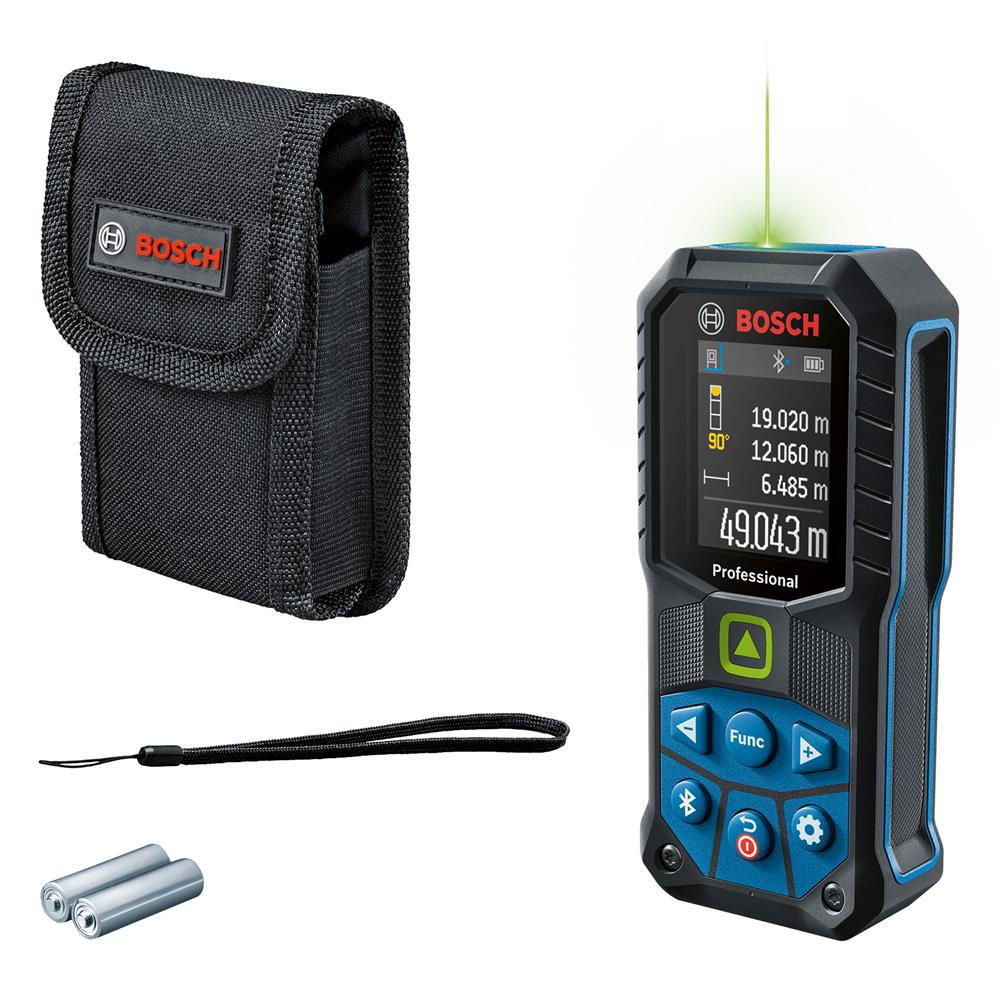
- Measuring floor areas, room sizes and opening widths for quotes, fit-outs and snagging is where a Bosch laser measure saves loads of walking back and forth with a tape.
- Checking socket heights, kitchen unit lines and door frame positions on refurb jobs is easier when Bosch measuring tools give you fast readings you can trust.
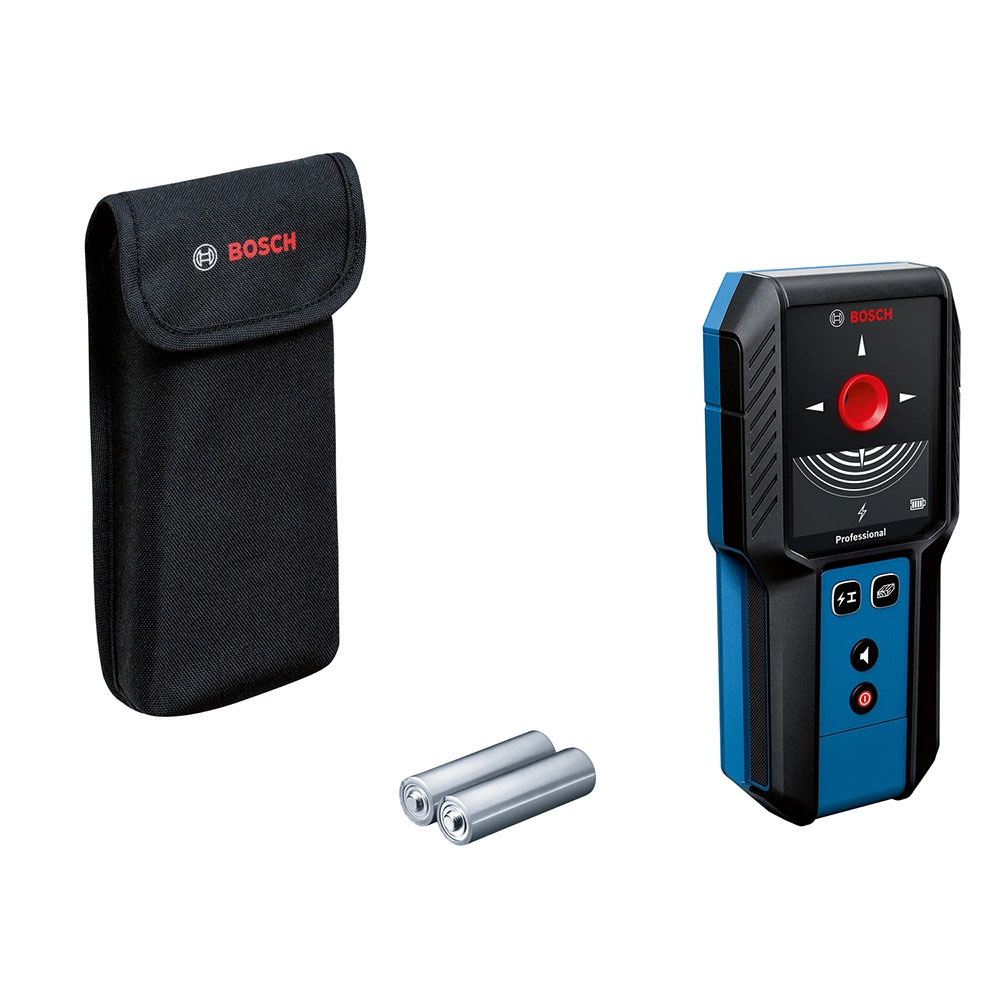
- Scanning walls before drilling or chasing helps avoid cables, pipes and metalwork, which is why Bosch detectors earn their keep on alteration work and second fix.
- Levelling outdoor features, groundwork markers and long internal runs is exactly where Bosch professional lasers help keep everything consistent from one end of the job to the other.
Choosing the Right Bosch Laser Levels and Measures
Sorting the right one is simple: match it to the job, not the catalogue. Don't buy a full site laser if all you need is room-to-room measuring.
1. Laser level or digital measure
If you're setting lines, checking level or transferring heights, go for Bosch laser levels. If you're quoting, measuring openings or checking room dimensions, a Bosch laser measure is the quicker bit of kit.
2. Indoor work or outdoor work
If most of your work is inside on kitchens, partitions or second fix, a compact cross-line model usually does the job. If you're working across larger areas or outside, you need better visibility, longer range and often a detector-compatible unit.
3. One-off checks or daily site use
If it is only coming out for occasional measuring, a straightforward Bosch digital measure will be enough. If you're on fit-out or first fix every day, buy the tougher model with clearer controls and site-proof build because it will live in the van and get knocked about.
4. Battery platform and storage
If you're already on Bosch kit, it makes sense to check power and storage before you buy. Some trade users keep spares from Bosch 12V Batteries and pack everything together in Bosch Tool Storage so the laser is ready to grab without hunting round the van.
Who Uses These on Site?
- Sparkies use Bosch laser levels and measures for setting socket lines, marking containment runs and checking heights across first and second fix without dragging a tape round every wall.
- Chippies and kitchen fitters swear by them for lining cabinets, door sets and studwork, because one bad line early on turns into a full day of trimming and packing later.
- Plumbers and heating engineers use Bosch measuring tools to set brackets, pipe runs and sanitaryware positions, especially when working alone in tight plant rooms or refits.
- Builders, site managers and snagging teams rely on Bosch site measurement tools for quick room checks, level references and confirming dimensions before materials are cut or ordered.
- Decorators and dryliners use Bosch detectors and lasers on refurb work to avoid hidden services and keep wall lines, trims and boarding straight from the start.
The Basics: Understanding Bosch Laser Levels and Measures
These tools all help you work more accurately, but they do different jobs. The simple bit is knowing whether you need a line to work from, a distance reading, or a detector to check what is behind the surface.
1. Laser Levels
Bosch laser levels project straight level and plumb lines onto walls, floors or ceilings. That gives you a fixed reference for setting out studwork, cabinets, pipe clips, trunking and anything else that needs to finish straight.
2. Digital Measures
Bosch digital measures fire a point to a target and calculate the distance back to the unit. They are ideal for room sizes, opening widths, ceiling heights and quote work where a tape is slower and harder to manage on your own.
3. Detectors
Bosch detectors scan walls and surfaces for hidden cables, metal and other materials before you drill or chase. On refurb work, that can be the difference between a clean fixing and a very expensive mistake.
Accessories That Make Bosch Measuring Kit Easier to Live With
A few sensible add-ons save time on site and stop your measuring kit becoming another fragile thing rattling round the van.
1. Tripods and mounting brackets
Get the laser off a paint tin or bit of timber and onto a proper support. A tripod or bracket gives you stable, repeatable lines and stops you wasting time nudging the unit back into place every few minutes.
2. Laser target plates and receivers
These are worth having when the beam gets hard to see, especially outside or over longer runs. A receiver saves squinting across site and helps you keep levels right when the light is against you.
3. Spare batteries and chargers
A flat laser halfway through setting out is a pain you do not need. Keep spare power ready so you're not back on a tape because the kit died mid job.
4. Cases and storage inserts
Measuring gear does not like being thrown in loose with breakers and grinders. A proper case or storage insert keeps lenses, screens and pendulums protected between jobs.
Choose the Right Bosch Laser Levels and Measures for the Job
Use this quick guide to narrow down the type of Bosch measuring tools you actually need.
| Your Job | Category or Type | Key Features |
|---|---|---|
| Setting kitchen units, sockets or stud lines indoors | Cross-line laser level | Self-levelling lines, clear horizontal and vertical reference, compact size for room work |
| Measuring rooms, openings and ceiling heights for quotes | Digital laser measure | Fast single-person measuring, clear screen, stored readings, better reach than a tape |
| Checking large areas or outdoor levels | Long-range laser level with receiver support | Greater working range, outdoor usability, detector compatibility, stable setup on tripod |
| Drilling or chasing into existing walls | Digital detector | Finds hidden cables and metal, reduces strike risk, useful on refurbs and alterations |
| Daily van-to-site trade use | Tough trade-grade measuring kit | Protected housing, easy controls, decent battery life, proper case or storage compatibility |
Common Buying and Usage Mistakes
- Buying a digital measure when the job really needs a laser level is a common one. You will get dimensions, but you still will not have a working line for setting out cabinets, stud or containment.
- Choosing an indoor laser for bright outdoor work usually ends in frustration. If the beam is hard to see, make sure the unit is suitable for longer range work and can be used with a receiver.
- Throwing laser tools loose in the van is asking for damaged lenses, cracked screens and knocked calibration. Keep them boxed or stored properly so they read true when you need them.
- Ignoring detectors before drilling into refurb walls can turn a ten minute fixing into a cable strike or pipe repair. Scan first, especially on older properties where nothing is quite where it should be.
- Not checking power setup before buying can be a nuisance on site. If the tool fits your existing charging and battery routine, you are far more likely to keep it ready for daily use.
Laser Levels vs Digital Measures vs Detectors
Laser Levels
Best when you need a straight working line across a wall, floor or ceiling. They are the right choice for setting out, levelling and alignment, but they do not replace a distance measuring tool for room sizes and quotes.
Digital Measures
Best for pulling fast dimensions on your own without wrestling a tape. They are ideal for estimating, fitting and checking openings, but they will not project level lines for installation work.
Detectors
Best for finding hidden services and materials before you drill, cut or chase. They are a safety and damage-avoidance tool, not a setting-out tool, so they usually support the job rather than replace a laser or measure.
Which one should you buy first
If you fit, level or align things every day, start with a laser level. If you quote and measure more than you set out, start with a digital measure. If you work mostly on refurbs, a detector is money well spent from day one.
Maintenance and Care
Keep lenses and screens clean
Dust on the lens weakens the beam and dirt on the screen makes readings harder to trust. Wipe them down after use with a soft cloth, not the end of a dusty hoodie.
Store them properly
Laser levels and Bosch digital measures last longer when they are stored in a case instead of being buried under fixings and blades. It also stops knobs, pendulums and battery covers getting knocked about.
Check accuracy after a knock
If a laser has taken a drop, do a quick site check before trusting it on finish work. A few minutes checking against a known line beats finding out your whole run is out later on.
Look after batteries
Do not leave batteries flat in the van for weeks, especially in winter. Charge them properly, rotate your spares and keep contacts clean so the kit is ready when the job starts.
Replace worn accessories before they cause trouble
Loose mounts, damaged tripods and cracked cases make accurate work harder than it needs to be. Replace the tired bits before they start giving you false setups or broken kit.
Why Shop for Bosch Laser Levels and Measures at ITS?
Whether you need compact Bosch laser levels for indoor fitting, Bosch digital measures for quoting, or detectors for safer drilling, we stock the full range in one place. You can shop alongside other Bosch Hand Tools, with all the key Bosch measuring tools held in our own warehouse and ready for next day delivery.
Bosch Laser Levels and Measures FAQs
Which Bosch laser level should I buy?
Buy the one that matches the work. For kitchens, stud walls and general indoor set-out, a cross-line Bosch laser level is usually enough. If you are working over bigger areas or outside, look for longer range and receiver compatibility rather than just the cheapest unit.
Are Bosch laser measures accurate for trade work?
Yes, they are accurate enough for proper trade use when used correctly on a clear target and within their rated range. They are ideal for room sizes, opening checks, first measures and quote work. For critical finish work, most trades still double check key dimensions before cutting expensive materials.
What is the difference between a Bosch laser level and digital measure?
A Bosch laser level gives you a straight reference line to work from, so it is for setting out and levelling. A Bosch digital measure gives you distance readings, so it is for measuring spaces, openings and runs. One helps you line things up, the other tells you how far it is.
Do Bosch laser levels work outdoors?
Yes, but be realistic about the conditions. In bright daylight, the beam can be hard to see with the naked eye, so outdoor work is much easier with a suitable receiver and a model designed for longer range use. For occasional garden or groundwork checks, that matters more than fancy extras.
Are Bosch detectors worth having if I already use a laser and tape?
Yes, especially on refurbs and extension work. A detector does a different job altogether by helping you avoid hidden cables, pipes and metal before you drill. It will not replace your layout kit, but it can save a lot of grief and repair work.
Will this kit stand up to normal van and site abuse?
Yes, Bosch measuring tools are built for trade use, but they are still precision kit. They will handle normal site life well if they are kept in a case and not thrown in loose with breakers, drill bits and fixings. Treat them like measuring gear, not demolition tools.