


Hats, Caps and Beanies

Work hats and work caps keep sun, dust and light rain off you when you're out on site, in the yard or loading the van through a long shift.

If you're outside all day, a decent workwear hat stops glare in your eyes and keeps the weather off without getting in the way. These work hats and work caps are the sort of kit sparks, chippies, groundworkers and delivery teams wear day in, day out. You will find mens work hats, work baseball caps and beanie workwear options that stay comfortable, fit properly and put up with site abuse. If you need trade kit that earns its keep, start with the right hat for the job.

What Are Work Hats Used For?

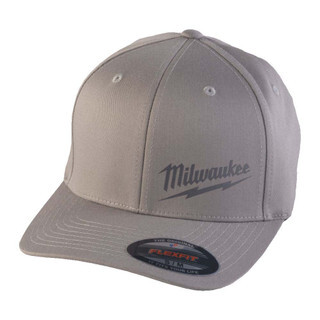
  • Working on open sites in bright weather, work caps keep the sun out your eyes when you are setting out, cutting timber, loading materials or checking drawings in the yard.
  • Shifting gear in and out of the van, a workwear cap gives you light cover from dust and drizzle without the bulk of a hood flapping about your face.
  • Walking snagging lists or managing handovers, work baseball caps are a simple bit of kit for staying comfortable on long days moving between units and plots.
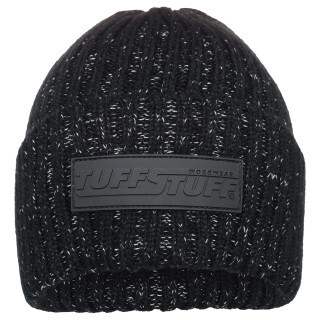
  • Starting early in colder months, beanie workwear helps hold heat when you are opening up site, unloading deliveries or working first fix in draughty shells.
  • Doing general outdoor graft, mens work hats are used by trades who want something easy to throw on that takes sweat, knocks and regular wear without fuss.

Choosing the Right Work Hats

Match the hat to the weather and the job. Do not just grab whatever is on the dash.

1. Cap or Beanie

If you need shade and clear vision on bright days, go for work caps or work baseball caps. If you are on early starts, winter fit out or cold yard work, a beanie is the better shout.

2. Breathability Matters

If you are grafting through summer, pick a workwear cap with enough airflow and a sweatband that does its job. A heavy hat that traps heat will end up chucked in the van by breakfast.

3. Keep the Fit Secure

If you are bending, lifting and climbing in and out of the van all day, choose an adjustable fit that stays put. There is no point buying popular caps if they keep slipping or catching when you move.

4. Know When You Need PPE Instead

A workwear hat is fine for comfort and weather cover, but it is not head protection. If the job calls for proper site safety, go straight to Hard Hats and do it properly.

Who Uses These on Site?

  • Chippies wear work caps for set out, cutting and second fix outside because they keep glare down without blocking hearing or movement.
  • Sparkies reach for a workwear cap on solar jobs, external runs and van work, especially when they are in and out of plots all day.
  • Groundworkers, landscapers and labourers use mens work hats for long hours in the open when sun, dust and light rain are part of the shift.
  • Site managers and snagging teams keep popular caps in the cab or office so they have quick cover for walk rounds, deliveries and handover checks.
  • Warehouse, yard and maintenance teams use beanie workwear in colder weather because it keeps the chill off during early starts and loading jobs.

Choose the Right Work Hats for the Job

Here is the simple way to sort the right hat for the shift.

Your Job Work Hat Type Key Features
Outdoor joinery, setting out and general summer site work Work caps Peak for glare, adjustable fit and light breathable fabric for all day wear
Van runs, yard loading and everyday trade use Workwear cap Simple fit, tough fabric and easy on off comfort without bulk
Cold starts, winter fit out and open shell work Beanie workwear Warm close fit that stays put when moving materials or opening site
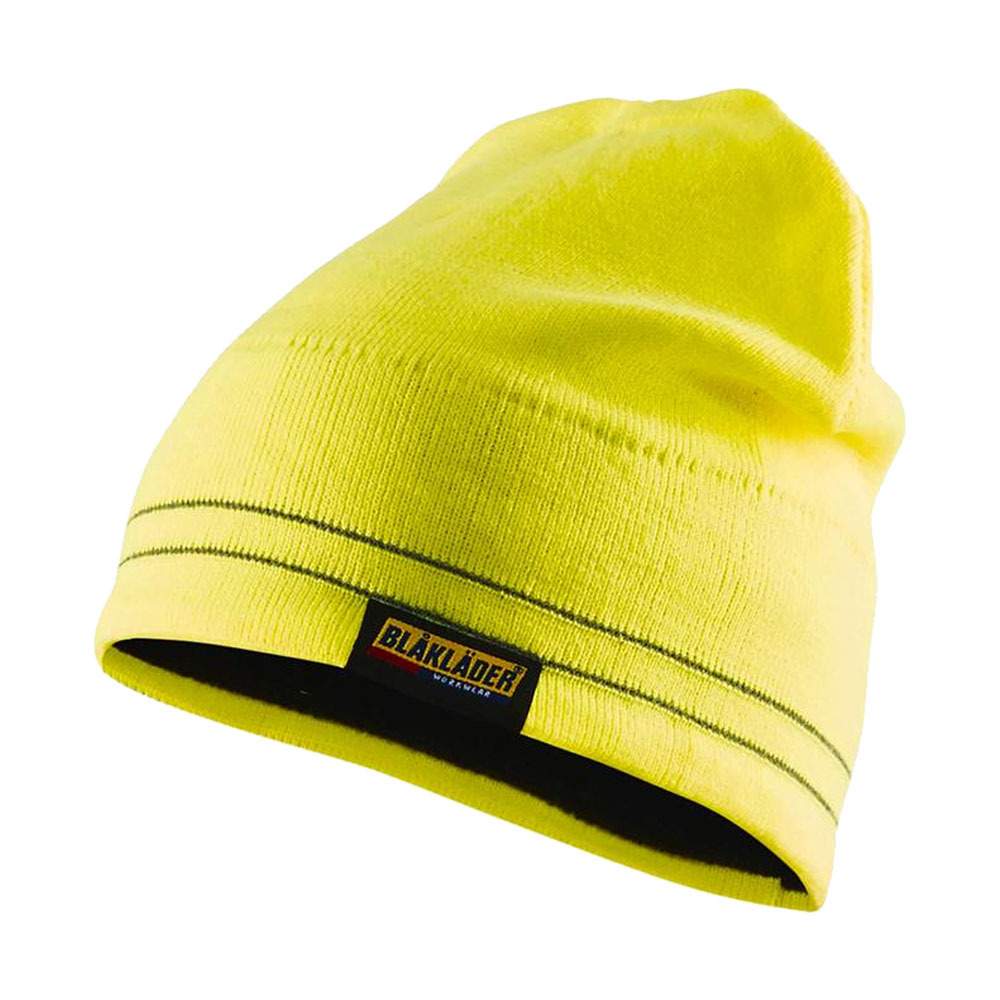
Low light roadside or visible outdoor work Hi vis hat Better visibility, straightforward fit and weather cover for exposed jobs
Areas with head protection rules Safety hard hat Impact protection and site compliance where a standard hat is not enough

Common Buying and Usage Mistakes

  • Buying a fashion cap instead of a proper workwear cap is a common one. It usually means poor fit, weak stitching and a hat that gives up after a few weeks in the van.
  • Using standard work hats where head protection is required will get you nowhere fast. If the site rules say PPE, you need a hard hat, not a cap with a logo on it.
  • Picking the wrong hat for the season wastes money. Heavy beanies in warm weather get uncomfortable quickly, while thin caps do nothing for bitter early starts.
  • Ignoring adjustability is another easy mistake. If the fit is loose, it will shift, catch or end up lost the first windy day on site.
  • Leaving sweaty or wet hats screwed up in the van shortens their life. Dry them out properly or they will stink, lose shape and wear out faster.

Work Caps vs Beanies vs Hard Hats

Work Caps

Best for sun, light weather and day to day outdoor graft. They are comfortable, easy to wear and good for van work, yard work and open site jobs, but they are not PPE.

Beanies

Better for cold mornings, winter fit out and exposed jobs where keeping warm matters more than shading your eyes. They work well in low temperatures but are no good for bright glare.

Hard Hats

This is the one for protection and compliance where there is overhead risk or site rules in place. Less casual and less comfortable than a cap, but the right choice when safety comes first.

Maintenance and Care

Brush Off Dust and Debris

Give work hats a quick clean after dirty jobs, especially if they have been in plaster dust, sawdust or general site muck. Leaving it to build up just wears the fabric faster.

Dry Them Properly

If your cap or beanie gets soaked, let it air dry before it goes back in the van or locker. That stops smells, misshaping and damp fabric going stale.

Do Not Crush the Peak

Work baseball caps last longer if you do not wedge them under tools and fixings. A bent peak is a nuisance on site and usually never sits right again.

Wash When They Need It

Sweat bands and inner linings get grim fast in summer. A careful wash now and then keeps them wearable, but do not be rough with them if you want the shape to stay decent.

Replace When Fit or Fabric Gives Up

If the adjustment has gone slack, the stitching is letting go or the fabric has thinned right out, replace it. Hats are cheap enough compared with wearing something that annoys you all shift.

Why Shop for Work Hats at ITS?

Whether you need lightweight work caps for summer site work, warm beanies for cold starts or everyday workwear hats for the van, we stock the full range. You can shop Work Clothes, plus Caps, Beanies and Hi-Vis Hats all in one place. It is all held in our own warehouse too, so when you need it fast, it is in stock and ready for next day delivery.

Work Hats FAQs

What are different cap and hat?

A cap usually has a peak and is mainly there for shade, glare and light weather cover. A hat is the broader term and can mean anything from a beanie to a brimmed style, so for site use the real choice is whether you need sun cover, warmth or proper PPE.

Is hats plural or singular?

Hats is plural. Hat is singular. On a category page like this, hats simply means there is more than one style in the range, such as work caps, beanies and other workwear hat options.

Are work hats actually suitable for site use?

Yes, for comfort and weather cover they are spot on. They are good for yard work, van runs, set out and outdoor jobs, but they are not a replacement for safety head protection where site rules require it.

Will work caps hold up to daily use in the van and on site?

Decent ones will, yes. The better workwear caps keep their shape, stay adjustable and deal well with sweat, dust and being thrown in and out of the cab, but like any soft kit they will wear quicker if crushed or left wet.

Should I buy a cap or a beanie for work?

Buy a cap if glare, sun and general outdoor comfort are the main problem. Buy a beanie if you are on cold starts, winter jobs or exposed sites where keeping heat in matters more than shading your eyes.

Can I wash a workwear hat after a dirty week?

Yes, most can be cleaned without drama, and you should if they are full of sweat and dust. Just do not be too rough with peaked caps if you want them to keep their shape, and always dry them properly before they go back in the van.
Read more

Hats, Caps and Beanies

Work hats and work caps keep sun, dust and light rain off you when you're out on site, in the yard or loading the van through a long shift.

If you're outside all day, a decent workwear hat stops glare in your eyes and keeps the weather off without getting in the way. These work hats and work caps are the sort of kit sparks, chippies, groundworkers and delivery teams wear day in, day out. You will find mens work hats, work baseball caps and beanie workwear options that stay comfortable, fit properly and put up with site abuse. If you need trade kit that earns its keep, start with the right hat for the job.

What Are Work Hats Used For?

  • Working on open sites in bright weather, work caps keep the sun out your eyes when you are setting out, cutting timber, loading materials or checking drawings in the yard.
  • Shifting gear in and out of the van, a workwear cap gives you light cover from dust and drizzle without the bulk of a hood flapping about your face.
  • Walking snagging lists or managing handovers, work baseball caps are a simple bit of kit for staying comfortable on long days moving between units and plots.
  • Starting early in colder months, beanie workwear helps hold heat when you are opening up site, unloading deliveries or working first fix in draughty shells.
  • Doing general outdoor graft, mens work hats are used by trades who want something easy to throw on that takes sweat, knocks and regular wear without fuss.

Choosing the Right Work Hats

Match the hat to the weather and the job. Do not just grab whatever is on the dash.

1. Cap or Beanie

If you need shade and clear vision on bright days, go for work caps or work baseball caps. If you are on early starts, winter fit out or cold yard work, a beanie is the better shout.

2. Breathability Matters

If you are grafting through summer, pick a workwear cap with enough airflow and a sweatband that does its job. A heavy hat that traps heat will end up chucked in the van by breakfast.

3. Keep the Fit Secure

If you are bending, lifting and climbing in and out of the van all day, choose an adjustable fit that stays put. There is no point buying popular caps if they keep slipping or catching when you move.

4. Know When You Need PPE Instead

A workwear hat is fine for comfort and weather cover, but it is not head protection. If the job calls for proper site safety, go straight to Hard Hats and do it properly.

Who Uses These on Site?

  • Chippies wear work caps for set out, cutting and second fix outside because they keep glare down without blocking hearing or movement.
  • Sparkies reach for a workwear cap on solar jobs, external runs and van work, especially when they are in and out of plots all day.
  • Groundworkers, landscapers and labourers use mens work hats for long hours in the open when sun, dust and light rain are part of the shift.
  • Site managers and snagging teams keep popular caps in the cab or office so they have quick cover for walk rounds, deliveries and handover checks.
  • Warehouse, yard and maintenance teams use beanie workwear in colder weather because it keeps the chill off during early starts and loading jobs.

Choose the Right Work Hats for the Job

Here is the simple way to sort the right hat for the shift.

Your Job Work Hat Type Key Features
Outdoor joinery, setting out and general summer site work Work caps Peak for glare, adjustable fit and light breathable fabric for all day wear
Van runs, yard loading and everyday trade use Workwear cap Simple fit, tough fabric and easy on off comfort without bulk
Cold starts, winter fit out and open shell work Beanie workwear Warm close fit that stays put when moving materials or opening site
Low light roadside or visible outdoor work Hi vis hat Better visibility, straightforward fit and weather cover for exposed jobs
Areas with head protection rules Safety hard hat Impact protection and site compliance where a standard hat is not enough

Common Buying and Usage Mistakes

  • Buying a fashion cap instead of a proper workwear cap is a common one. It usually means poor fit, weak stitching and a hat that gives up after a few weeks in the van.
  • Using standard work hats where head protection is required will get you nowhere fast. If the site rules say PPE, you need a hard hat, not a cap with a logo on it.
  • Picking the wrong hat for the season wastes money. Heavy beanies in warm weather get uncomfortable quickly, while thin caps do nothing for bitter early starts.
  • Ignoring adjustability is another easy mistake. If the fit is loose, it will shift, catch or end up lost the first windy day on site.
  • Leaving sweaty or wet hats screwed up in the van shortens their life. Dry them out properly or they will stink, lose shape and wear out faster.

Work Caps vs Beanies vs Hard Hats

Work Caps

Best for sun, light weather and day to day outdoor graft. They are comfortable, easy to wear and good for van work, yard work and open site jobs, but they are not PPE.

Beanies

Better for cold mornings, winter fit out and exposed jobs where keeping warm matters more than shading your eyes. They work well in low temperatures but are no good for bright glare.

Hard Hats

This is the one for protection and compliance where there is overhead risk or site rules in place. Less casual and less comfortable than a cap, but the right choice when safety comes first.

Maintenance and Care

Brush Off Dust and Debris

Give work hats a quick clean after dirty jobs, especially if they have been in plaster dust, sawdust or general site muck. Leaving it to build up just wears the fabric faster.

Dry Them Properly

If your cap or beanie gets soaked, let it air dry before it goes back in the van or locker. That stops smells, misshaping and damp fabric going stale.

Do Not Crush the Peak

Work baseball caps last longer if you do not wedge them under tools and fixings. A bent peak is a nuisance on site and usually never sits right again.

Wash When They Need It

Sweat bands and inner linings get grim fast in summer. A careful wash now and then keeps them wearable, but do not be rough with them if you want the shape to stay decent.

Replace When Fit or Fabric Gives Up

If the adjustment has gone slack, the stitching is letting go or the fabric has thinned right out, replace it. Hats are cheap enough compared with wearing something that annoys you all shift.

Why Shop for Work Hats at ITS?

Whether you need lightweight work caps for summer site work, warm beanies for cold starts or everyday workwear hats for the van, we stock the full range. You can shop Work Clothes, plus Caps, Beanies and Hi-Vis Hats all in one place. It is all held in our own warehouse too, so when you need it fast, it is in stock and ready for next day delivery.

Work Hats FAQs

What are different cap and hat?

A cap usually has a peak and is mainly there for shade, glare and light weather cover. A hat is the broader term and can mean anything from a beanie to a brimmed style, so for site use the real choice is whether you need sun cover, warmth or proper PPE.

Is hats plural or singular?

Hats is plural. Hat is singular. On a category page like this, hats simply means there is more than one style in the range, such as work caps, beanies and other workwear hat options.

Are work hats actually suitable for site use?

Yes, for comfort and weather cover they are spot on. They are good for yard work, van runs, set out and outdoor jobs, but they are not a replacement for safety head protection where site rules require it.

Will work caps hold up to daily use in the van and on site?

Decent ones will, yes. The better workwear caps keep their shape, stay adjustable and deal well with sweat, dust and being thrown in and out of the cab, but like any soft kit they will wear quicker if crushed or left wet.

Should I buy a cap or a beanie for work?

Buy a cap if glare, sun and general outdoor comfort are the main problem. Buy a beanie if you are on cold starts, winter jobs or exposed sites where keeping heat in matters more than shading your eyes.

Can I wash a workwear hat after a dirty week?

Yes, most can be cleaned without drama, and you should if they are full of sweat and dust. Just do not be too rough with peaked caps if you want them to keep their shape, and always dry them properly before they go back in the van.
ITS Click and Collect Icon
What3Words:
Get Directions
Store Opening Hours
Opening times
